FP Aquaculture & Ocean Health is developing an all-in-one tool to help salmon farmers detect small but destructive biological threats before they strike.
The Government of South Australia has announced it will provide immediate, back-dated fee relief for commercial fishers, aquaculture and charter boat operators impacted by the algal bloom affecting…
Researchers from Gloucester Marine Genomics Institute have developed a CRISPR-based diagnostic test to detect toxin-producing organisms in marine ecosystems that can lead to the formation of harmful…
A UK-wide training initiative focused on helping aquaculture producers mitigate the impact of harmful algal blooms (HABs), is about to be relaunched by Lantra.
SeaCrop plans to deploy curtains of electrostatic fibres to collect excess phytoplankton from parts of the ocean that have been negatively impacted by anthropogenic eutrophication – not only…
A year after its initial deployment at a Scottish salmon farm, researchers offer insights into the performance of a cutting-edge device which uses AI to identify harmful species of algae.
A collaboration between Scottish Sea Farms and Atlantic Garden will trial the benefits of integrating salmon aquaculture with commercial scale seaweed farming.
Researchers are investigating the potential of a material created from sewage waste to treat water effected by eutrophication - an increasingly common issue.
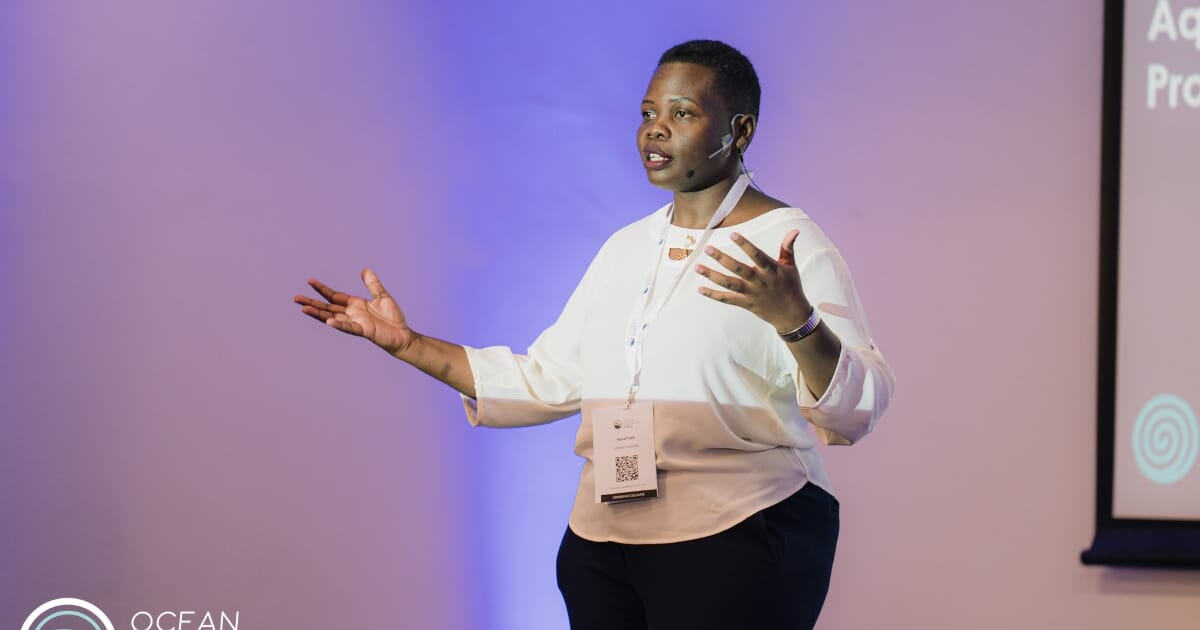
Elizabeth Okullow, co-founder of AquaMnara, explains how she is providing African fish farmers with innovative tools, including IoT monitoring devices and pioneering market access strategies.
CSIRO's AquaWatch technology in the Spencer Gulf - a bio-rich region that provides much of Australia's seafood - have demonstrated the systems value for monitoring water quality.
Marine scientists investigating the formation of harmful algal blooms (HABs) in Scottish waters have found no link between salmon farming and the likelihood of a bloom forming.
The National Oceanography Centre (NOC) has developed a new scientific approach to be used alongside artificial intelligence (AI) to test for toxic algae in seafood, including farmed oysters and…
Krucial, a Scottish scaleup company which uses satellite technology to facilitate the monitoring of environmental conditions within salmon farms has secured more than €3.45 million in additional…
World Ocean Day is being celebrated today, and I’m passionate about the role space technology can play in protecting 30 percent of our lands, waters and ocean by 2030 (30x30) - a step deemed…
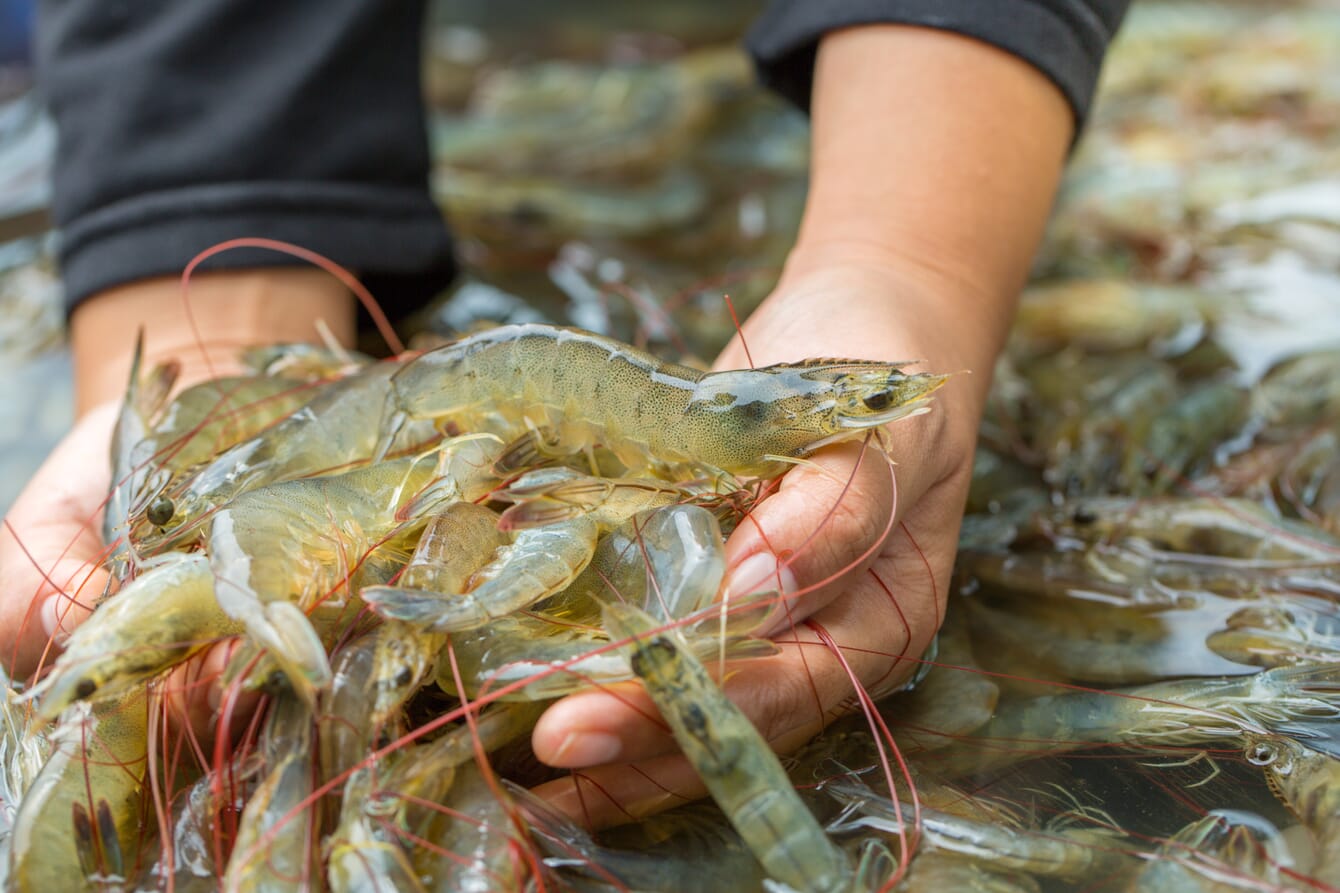
UK and India have signed a landmark agreement to help develop joint research programmes to include studying the use of UK tech to spot diseases in shrimp aquaculture.
A new project, involving researchers from Glasgow University and Kelpcrofting, a seaweed farming startup, is investigating the use of environmental DNA (eDNA) to predict biofouling of cultured…
A service that aims to deliver a world first ground-to-space water quality monitoring system that would – for example – alert aquaculture operators to the appearance of harmful algal blooms, has been…
A coalition of animal welfare groups and members of Scottish Parliament are calling for Scotland’s salmon farming industry to stop expanding in light of rising salmon mortality numbers.
Heather Jones, CEO of the Sustainable Aquaculture Innovation Centre (SAIC), believes that quickly identifying and mitigating environmental threats, leveraging emerging aquatech and improving…
A wireless, in-water sensor developed by the WiSAR Lab in Ireland and S2AQUAcoLAB in Portugal is aiding in remote monitoring efforts and could help shellfish farmers understand and respond to…
A delegation of researchers from the Cawthron Institute and Kochi University are exploring the effects of climate change and harmful algal blooms (HABs) in Japanese and New Zealand waters.
Catfish growers in the United States had sales of $421 million during 2021, up 12 percent from $377 million the previous year, according to USDA’s National Agricultural Statistical Service – and…
A new paper from written by researchers at the Cawthron Institute finds an urgent need to widen the focus of research and management strategies for harmful algal blooms.
We use cookies to improve your experience, analyse site traffic and understand where our audience comes from. Accept all cookies, or continue with only those essential to running the site. See our Privacy & cookie policy.