The Norwegian company has expanded its Vanvikan facility, tripling production capacity to meet growing global demand for copepods used as live starter feed in aquaculture.
CFeed, a leading producer of live feed (copepods) for the larval stages of marine fish, has announced the expansion of its production facility in Norway.
Founder of Industrial Plankton - a Canadian biotech company building innovative photobioreactors for phytoplankton culture - Robert Roulston talks about his inspiration for entering the world of…
In an attempt to overcome the challenges of sea cucumber cultivation in the Philippines, a specialised training programme aims to upskill aquaculture technicians.
New research has shown the potential of enchytraeid worms, which feed on organic materials such as decaying seaweed, as a more sustainable replacement for traditional aquafeed ingredients.
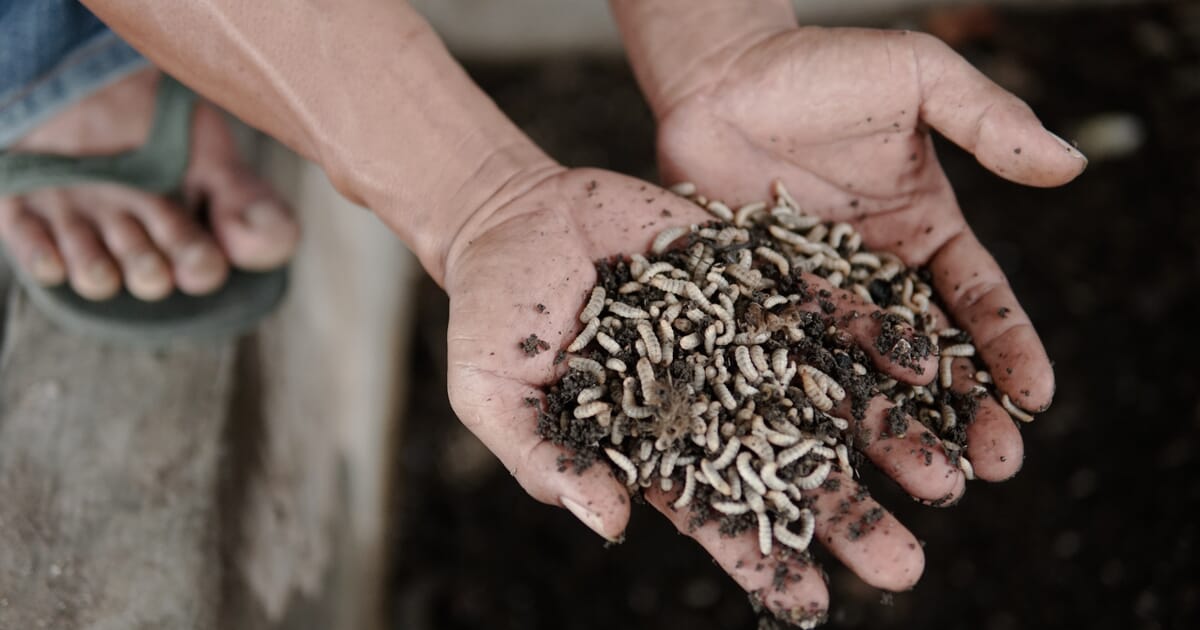
The use of insect-based aquafeed ingredients – and potentially diversification into insect farming itself – could offer valuable opportunities for India’s small-scale aquaculture producers.
New research from Denmark suggests that Daphnia magna - a species of water flea - may have potential to reduce eutrophication in recirculating aquaculture systems, while also providing a suitable…
Utah’s Great Salt Lake brine shrimp (Artemia franciscana) fishery – which is one of the key sources of live feed for the aquaculture sector – has officially achieved the Marine Stewardship Council's…
Researchers are putting additional resources into encapsulation methods and fortifying live feed for oral fish vaccines as the market expands, hoping that these steps could improve vaccine…
Stolt Sea Farm is already one of the leading flatfish farming companies in the West – producing over 7,000 tonnes of turbot and sole in sustainable land-based facilities – and it has ambitious plans…
There are notable variations in the feed uptake and feeding ability of sea bream larvae when they’re raised in different environmental conditions – so which ones are optimal?
India has suspended import duties on shrimp broodstock, aquafeed and feed ingredients like artemia, krill, mussels and squid in the latest round of budget negotiations for 2022, but some in the…
Anyone doubting the positive impact that academia can have on the development of the aquaculture industry should look at the example of Can Tho University in Vietnam – an institution that has been…
Some of the leading figures in Artemia research are planning to join forces and launch an International Artemia Aquaculture Consortium (IAAC) later this year.
Hatchery operators can reduce live rotifer diets by at least 50 percent by adopting an innovating feed protocol and diet developed by researchers at INVE.
Artemia are valuable as live feeds for the early life stages of shrimp. While they might be expensive, if used correctly – as explained below – they should fully justify the investment
Although some shrimp and finfish hatcheries are looking to switch from Artemia in favour of alternative first feeds, aquaculture nutritionists say that – for the time being – brine shrimp are going…
The growth of grouper aquaculture has been held back by the difficulties experienced in the larval rearing stage. However, according to CFEED, the use of copepods at the first feeding stage is…
New research has revealed that lumpfish exposed to live prey and frozen sea lice prior to transfer to marine sites perform better as cleaner fish once stocked in salmon pens.
Pioneering technologies that create Artemia that can suppress vibrio growth and hatch in the dark have been launched today by INVE Aquaculture, Benchmark’s Advanced Nutrition division, today.
Aqua-Spark has today announced new investments in BioFishency, an innovator in water treatment systems for use in land-based aquaculture, and Molofeed, whose new formula can replace live feed earlier…
During his 45 years at Ardtoe Marine Laboratory Jon Sherwood – one of the unsung heroes of Scottish aquaculture – has been quietly involved in all manner of pioneering fish-farming projects
Morine Mukami, a research scientist at the aquaculture department of the Kenya Marine and Fisheries Research Institute in Mombasa, outlines the importance of Artemia as a live feed for larviculture.
A Norwegian firm that has devised a way to catch and store live zooplankton in the ocean in a manner that allows it to be defrosted and fed, still living, to juvenile marine finfish is one of the…
We use cookies to improve your experience, analyse site traffic and understand where our audience comes from. Accept all cookies, or continue with only those essential to running the site. See our Privacy & cookie policy.