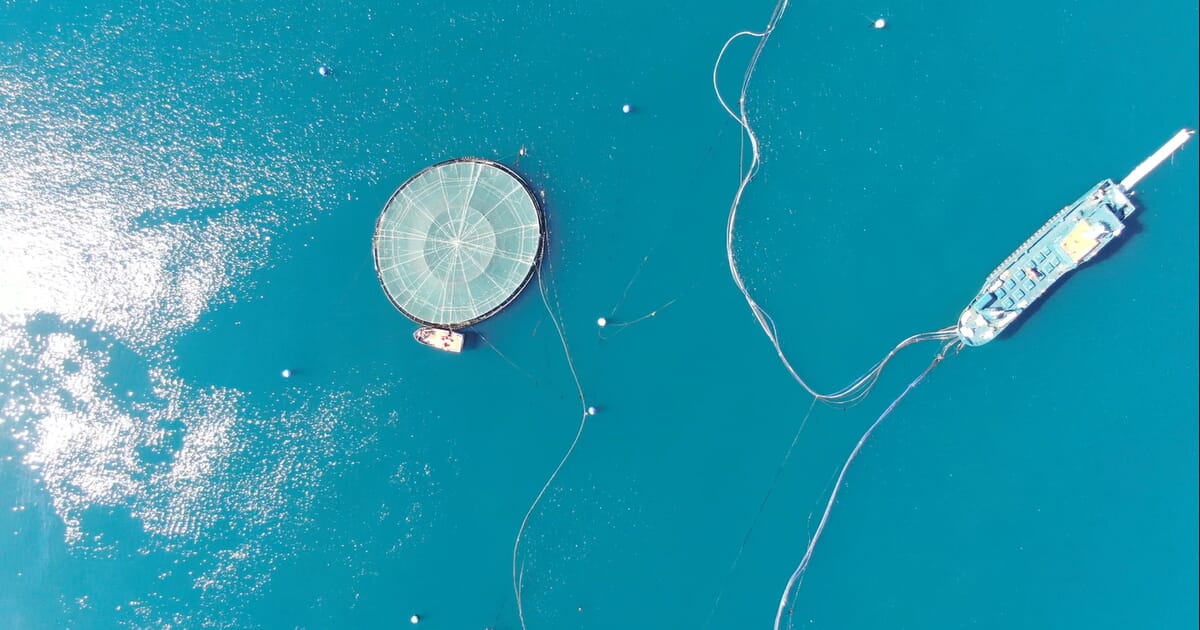
Cleaner fish were widely adopted as a “natural” solution to sea lice in salmon aquaculture, but large-scale evidence now shows inconsistent efficacy, poor welfare, and high mortality. Our recently…
Otter Ferry Seafish - one of the UK’s oldest fish farming companies – has entered into a new chapter as 100 percent of the company’s shareholding has been acquired by Amar Seafood.
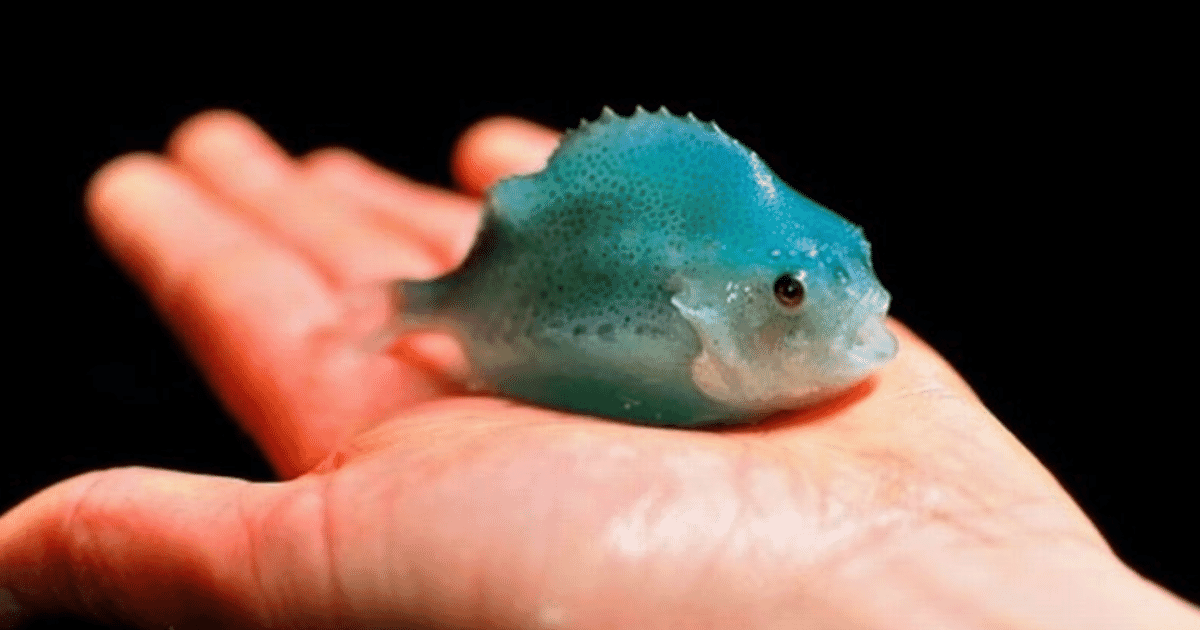
Researchers from the University of New Hampshire have recently conducted a study through which they aim to improve lumpfish survival rates by manipulating light levels and population density during…
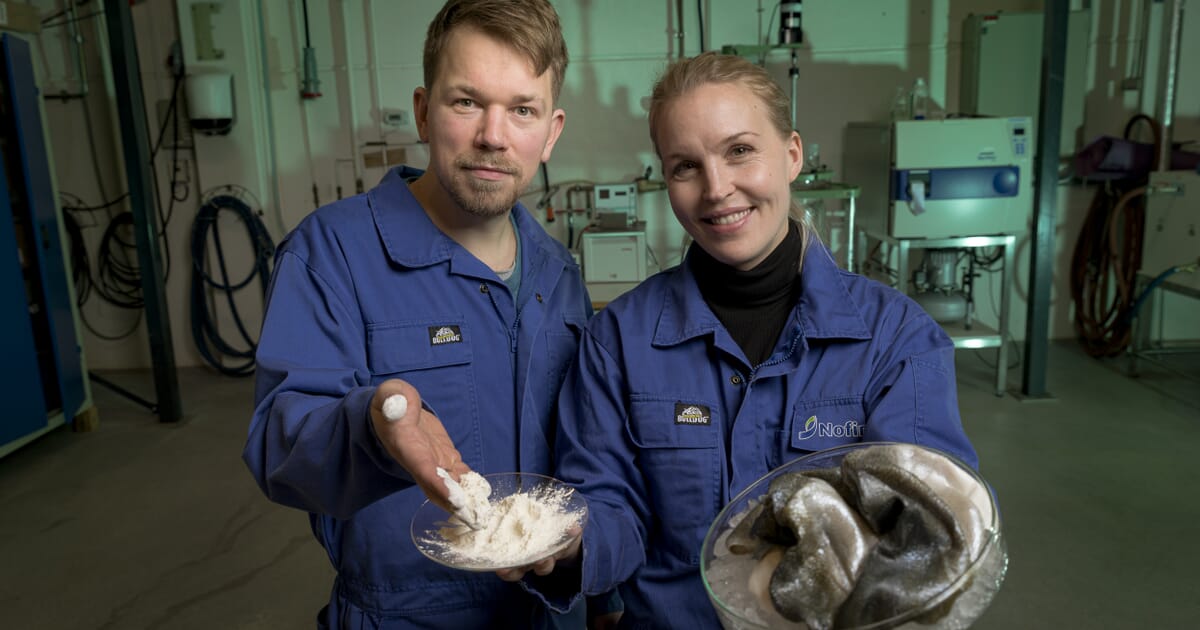
A study by Nofima, a Norwegian food research institute, explores the potential for the cleaner fish to be used as a nutritious feed for young king crabs.
The parasite Spironucleus salmonicida is causing concern for salmon producers in Northern Norway as emerging research suggests it can infect both farmed stocks and cleanerfish.
Pat Reynolds, one of the world’s preeminent lumpfish researchers, believes that – despite a number of welfare issues and a slight dip in their popularity – the species merits a prominent place in the…
Jim Treasurer, co-editor of a new comprehensive publication on sea lice, looks back on over three decades of working to combat aquaculture’s best known and most costly ectoparasites.
The environmental impacts of aquaculture are often in the spotlight. The need for sustainable practices is now firmly embedded in the minds of the public, governments and industry – but this…
A new video tool promises to reveal which cleaner fish are bold and which are bashful, helping Scotland’s salmon producers identify the best delousing candidates for their cages.
NOAA Sea Grant has announced $2.1 million to fund four projects that advance aquaculture research and extension to support sustainable aquaculture in Maine.
Stephen Woods, who has been with Scottish Sea Farms for 27 years, and farm manager of Charlotte’s Bay near Oban for the past 12 of those, was named Finfish Farmer of the Year at the recent…
A Scottish startup has received £125,000 from the Seafood Innovation Fund (SIF) to explore the benefits of using natural kelp structures as hides for cleaner fish on salmon farms.
Scientists at the University of Swansea have designed a series of behavioural tests to build personality profiles for lumpfish in hopes of determining which individuals would exhibit cleaning…
An online course, providing a certificated continuing professional qualification in biology, rearing, farm deployment and health and welfare of cleaner fish has been announced by FAI Academy.
Cleaner…
New research suggests that using lumpfish or ballan wrasse to combat sea lice in offshore fish farms isn’t workable – the strong currents and extreme weather conditions leave them at risk of…
The offspring of salmon that have been bred to be more resistant to sea lice may not be so resistant in warmer waters, according to new research by Nofima.
The efficacy of using lumpfish in net pen salmon farms may have been questioned by a number of academics recently, but a new review offers strong support for their ability to reduce Caligus elongatus…
The introduction of special feed blocks can give more controlled growth, increased survival and better overall health status of lumpfish in sea pens with Atlantic salmon compared to pelleted diets,…
A cohort study of commercial salmon farms in Norway explores different prevention and treatment strategies for salmon lice and finds that habituated cleaner fish can keep lice at bay despite…
A veterinarian at Swansea’s Centre for Sustainable Aquatic Research has pioneered the use of a non-destructive method to assess the health of lumpfish broodstock.
New research has revealed that lumpfish exposed to live prey and frozen sea lice prior to transfer to marine sites perform better as cleaner fish once stocked in salmon pens.
Despite “challenging conditions in the shrimp markets” and plans to close its Shetland lumpfish breeding facility, Benchmark has reported encouraging half-year results.
We use cookies to improve your experience, analyse site traffic and understand where our audience comes from. Accept all cookies, or continue with only those essential to running the site. See our Privacy & cookie policy.