Denmark’s Sundew ApS, an algae biotech firm, has entered a multi-year collaboration with the United States to help combat aquatic invasive species using its algal RNA-mediated interface.
Indonesia has developed a range of local strains of tilapia, largely to improve growth rates and general disease resistance, but there’s still scope for these to be more widely adopted.
Cryopreservation – involving the freezing and ultra-low temperature storage of ova and sperm – has been demonstrated with varying degrees of success across a range of farmed aquatic species, but more…
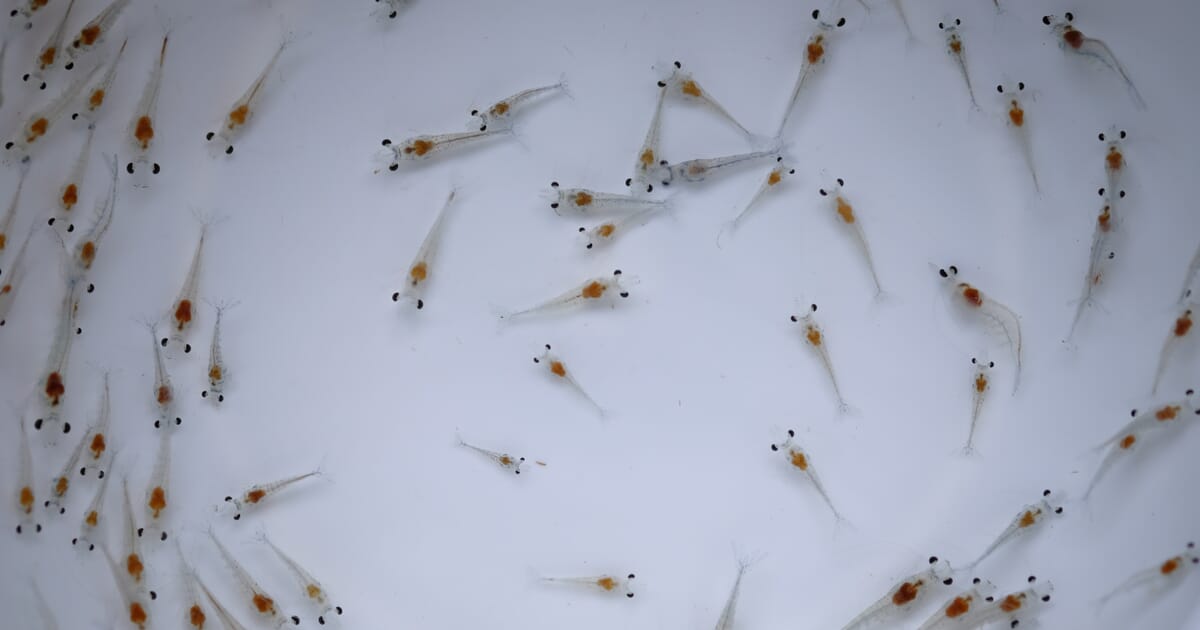
Although the $4 billion giant river prawn (Macrobrachium ronsebergii) sector has largely stagnated over the last decade, new breeding programmes could help pave the way for its resurgence.
A new paper argues that there’s an urgent need to improve understanding of the genetic mechanisms involved in host resistance to whitespot syndrome virus (WSSV) and sea lice – two of the greatest…
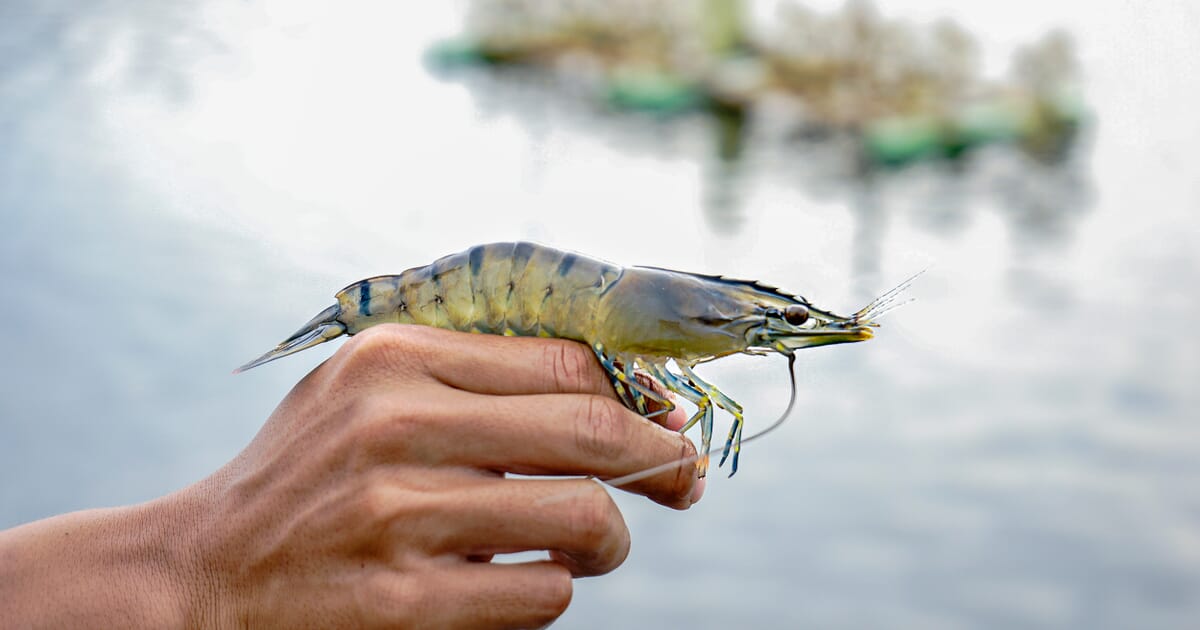
Recent genetic advances are being heralded as possible game-changers for the tiger prawn (Penaeus monodon) farming sector, potentially bringing a welcome renaissance to a sector that has fallen far…
When I was contemplating a topic for this month’s article, I was reminded of a question my daughter asked me several years ago: “Can we feed our dogs a vegetarian diet?”
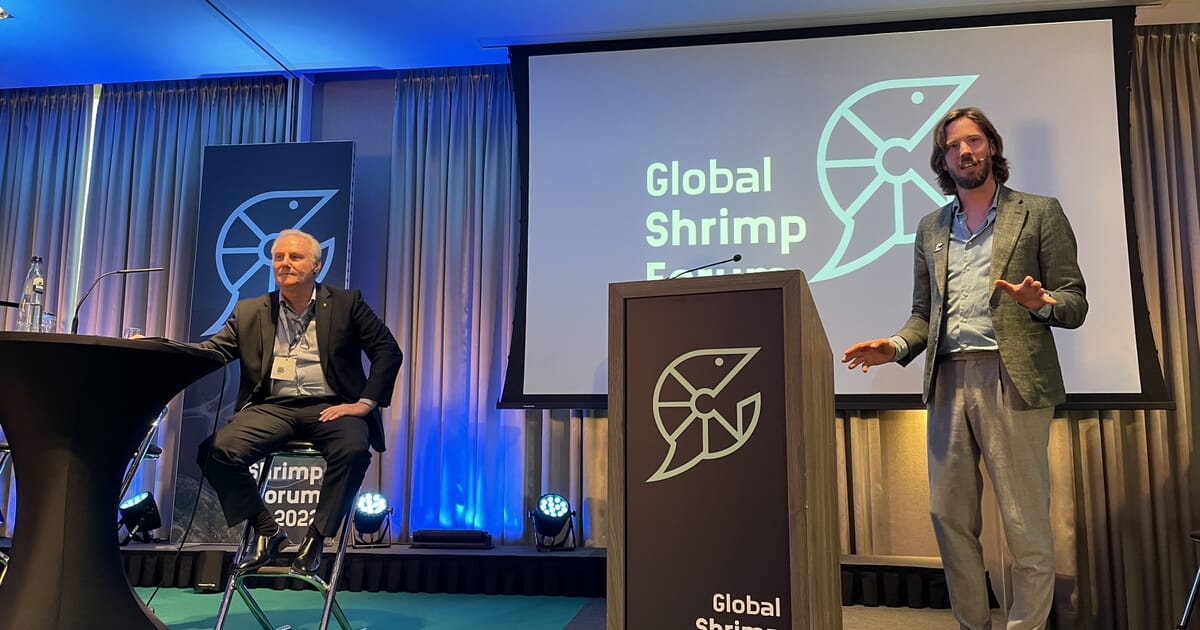
Dr Melony Sellars, CEO and managing director of Genics Pty Ltd, recently developed four new real-time PCR assays that can help detect the presence of decapod iridescent virus (DIV1) in shrimp.
Despite its impressive growth rate and resistance to disease, the GIFT strain of tilapia is yet to fulfil its true potential in Odisha, according to several key players in the Indian state’s…
Triploidy is widely used in aquaculture to improve growth rates, reduce possible impacts of farmed animals on wild aquatic ecosystems and enhance product quality, but there’s room for improvement and…
Researchers from James Cook University have mapped the complete genome for Australian tiger prawns, potentially unlocking disease resistance and productivity gains for the aquaculture sector.
New report reveals the Sustainable Aquaculture Innovation Centre's (SAIC) economic impact, including 600 new jobs and an additional turnover of £50 million per annum by 2026.
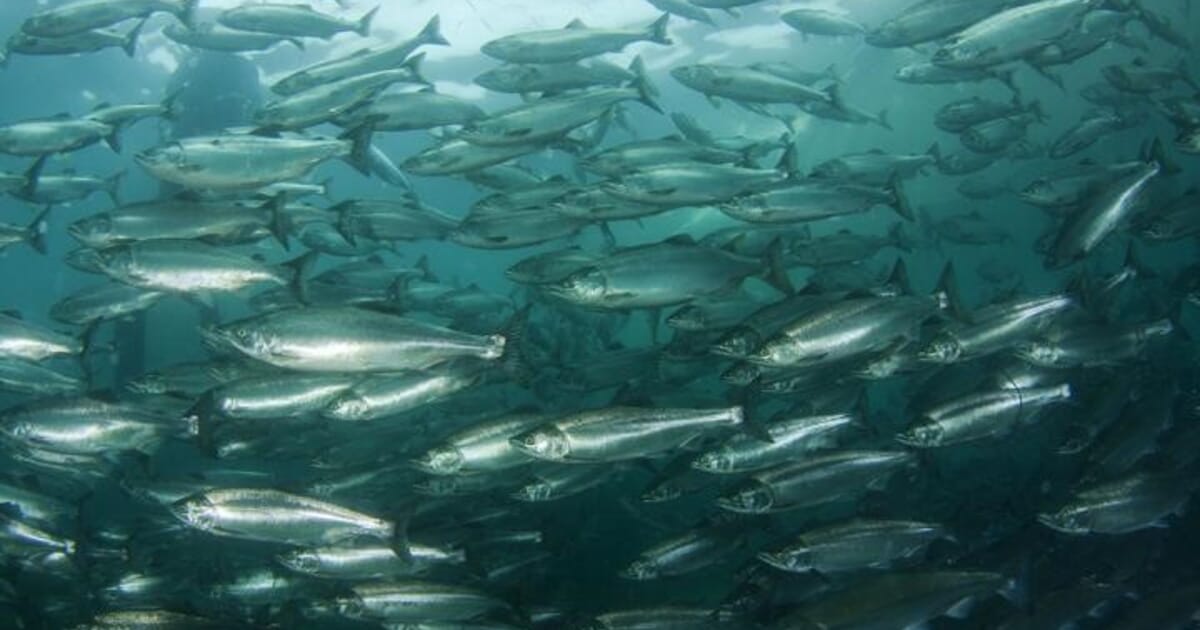
Genetic selection could hold the key to improving feed conversion ratios (FCRs) by allowing salmon farmers to select fish that grow well with fewer feed inputs.
Genomic selection is an effective means of improving aquatic animal health, with recent studies suggesting it can be used for a range of conditions including whitespot resistance in shrimp,…
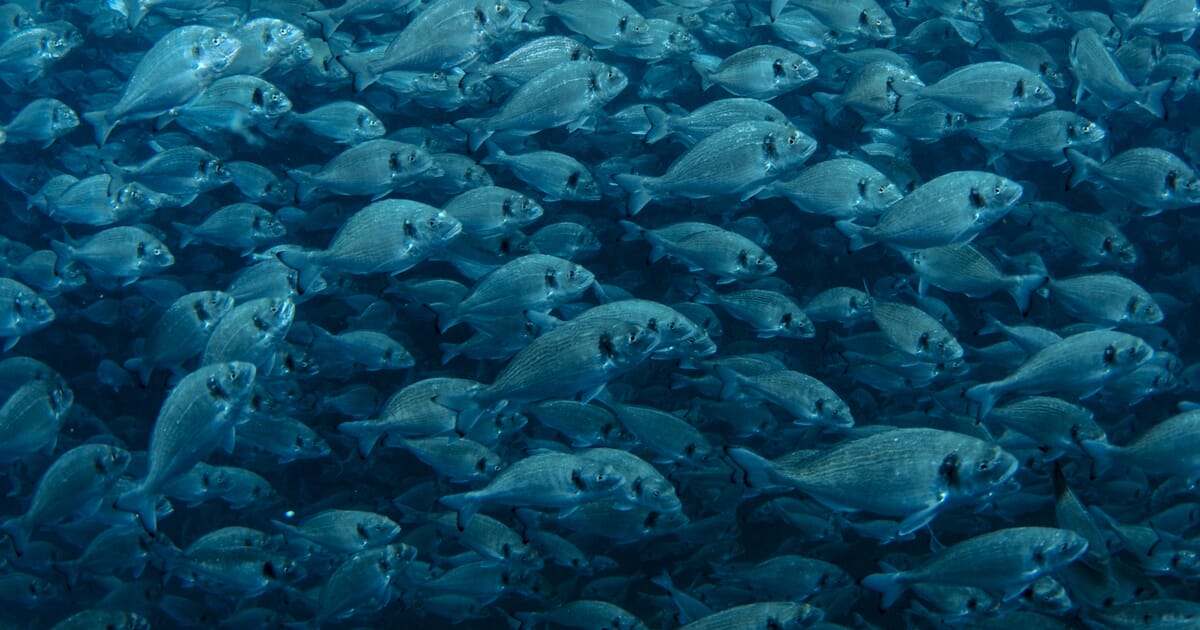
After four years, the MedAID project – which looked to improve the genetic performance of Europe’s sea bass and sea bream farming sectors – has drawn to a close, offering hope for advances in…
The gene editing tool CRISPR is now being used to generate a range of traits in a variety of farmed aquatic species – including salmonids, crustaceans and carp – but there is still a way to go before…
Aquaconnect, Algal Bio and the Regional Fish Institute have made it onto the prestigious 100 to Watch list, highlighting the companies’ capacity to make a positive impact and bring innovative…
Two of the world's leading aquaculture biotechnology firms have announced plans to jointly deliver genotyping services customised to the needs of individual aquaculture producers.
We use cookies to improve your experience, analyse site traffic and understand where our audience comes from. Accept all cookies, or continue with only those essential to running the site. See our Privacy & cookie policy.


.jpeg?scale.option=fill&scale.width=1200&scale.height=630&crop.width=1200&crop.height=630&crop.y=center&crop.x=center)