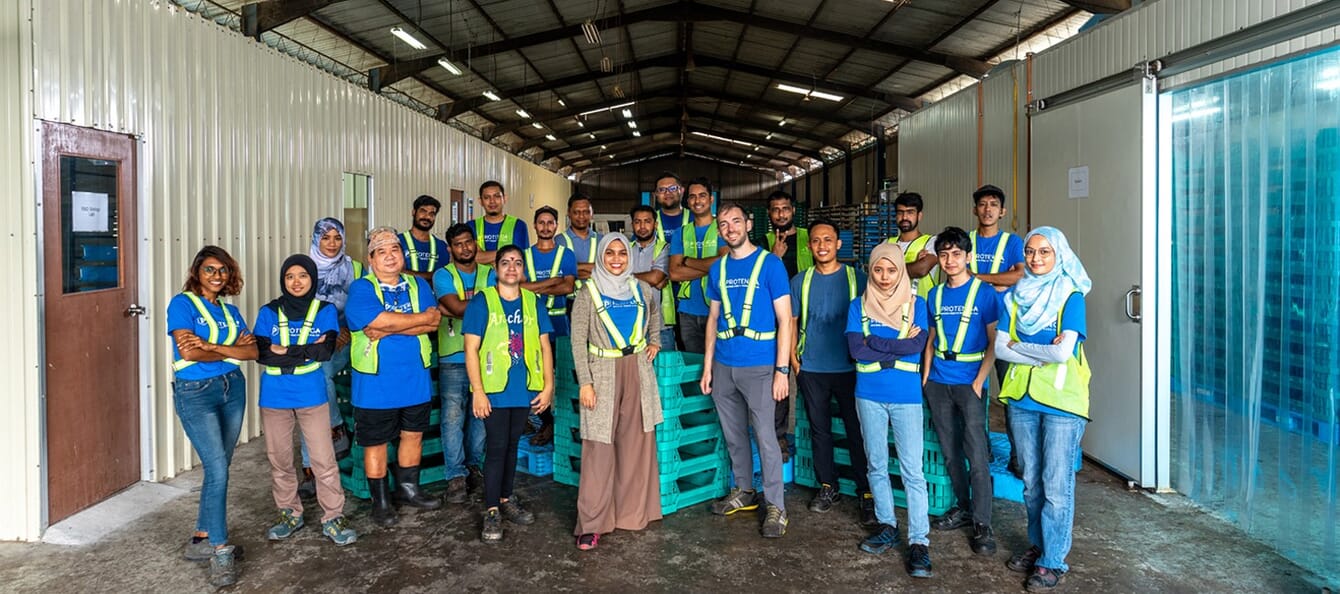
Circular economy startup Protenga is embarking on its second-generation smart insect production platform for the aquafeed and pet food sectors after securing investment from The Yield Lab Asia…
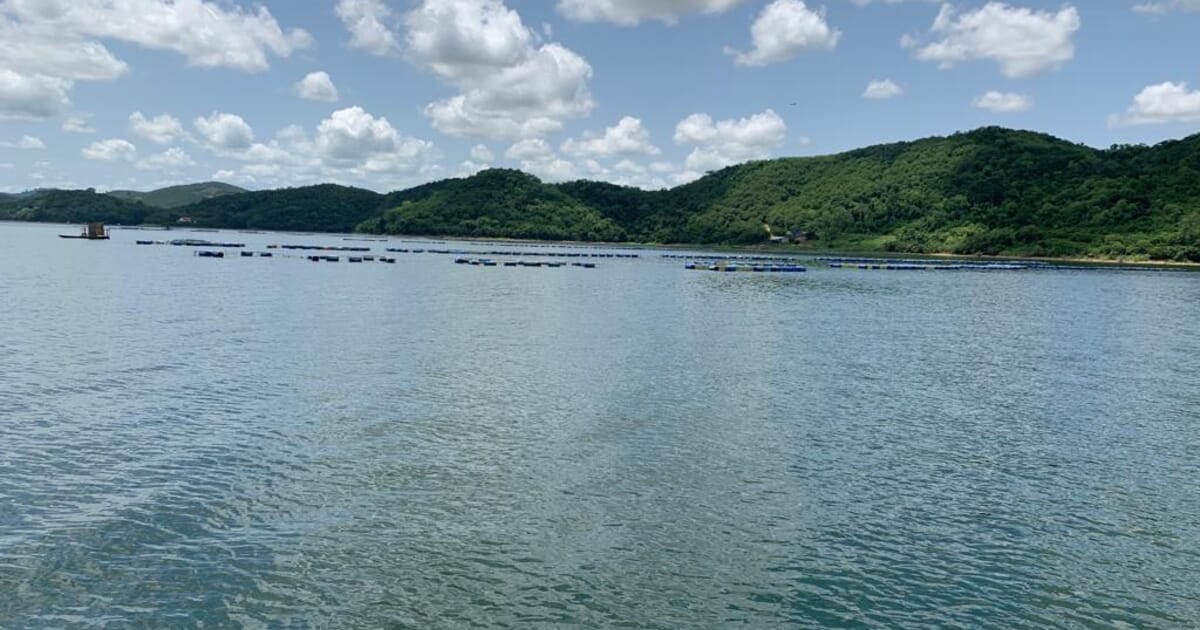
Lake Volta might be the most productive aquaculture centre in Ghana, but the current model of fish farming on the lake is unsustainable, according to Dr Kofitsyo Cudjoe, a senior adviser at the…
More first movers are needed to unlock a market that could have a potentially pivotal impact on the future of key fed aquaculture sectors such as salmon farming*.
Ananda Arrieta is helping to pioneer the use of bioremediation in Australia's aquaculture sector and sees her work as an essential part of the evolution of land-based aquaculture systems.
Insect-based protein company Innovafeed has raised €250 million in funding for its series-D round, bringing its total cumulative financing to €450 million as it makes strategic appointments and…
A French startup has started producing a novel material – Scalite – that’s made entirely from farmed tilapia scales and can be used as an attractive and environmentally sustainable alternative to…
As land-based and RAS facilities proliferate, they need a way to address their waste footprint. “Circular aquaculture” could be the way forward – but should producers rely on bacteria, algae or…
The Waseabi project has made notable progress on a sorting technology that can turn every part of the fish into food and feed, aligning with processing protocols in the meat industry.
Research projects from the Center for Tropical and Subtropical Aquaculture (CTSA) highlight the potential of recycling agriculture and aquaculture byproducts to produce protein-rich aquafeed – and…
Scientists from the University of Missouri are focusing their efforts on diatoms, hoping to learn how to maximise the full environmental benefits of the green algae.
Mark Bowkett, CEO of Aquamonitrix, explains the dangers of elevated nitrogen levels in RAS facilities and why he believes that the company’s novel sensor can help to not only prevent mass…
A new study from Argonne National Laboratory in the US shows that carbon emissions stemming from ethanol production can be used to cultivate algae – which can then be used to create biofuel.
We use cookies to improve your experience, analyse site traffic and understand where our audience comes from. Accept all cookies, or continue with only those essential to running the site. See our Privacy & cookie policy.