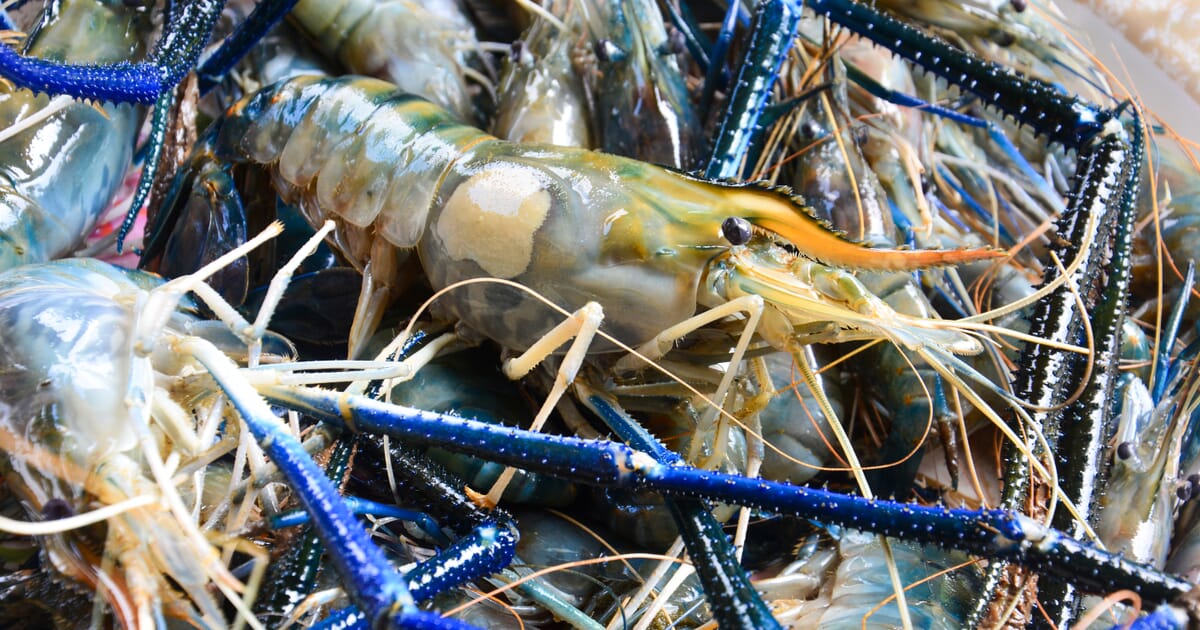
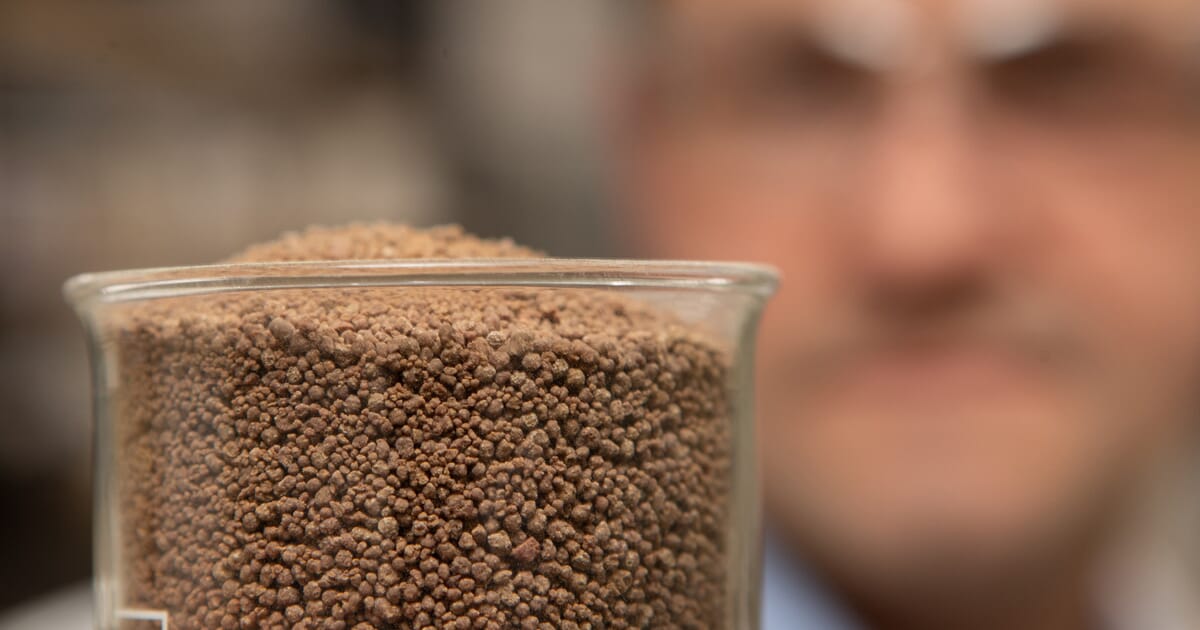
Blue Pond Group has developed a range of seaweed-based feed supplements that reduce the prevalence of EHP, WFS and EMS in shrimp farming, according to Mauricio Castillo, its CEO and founder.
The Arkansas Research Alliance, which recognises and promotes innovative researchers who make significant impacts within their field, has recently named Dr Grace Ramena, an aquaculture and fish…
The USA’s National Science Foundation has awarded a grant that will allow scientists to create synthetic microbiomes – communities of microorganisms – that could help to protect farmed shrimp from…
The first experimental batch of a vaccine that should help Colombia’s tilapia farmers combat the new serotype strain of Streptococcus agalactiae that has recently been reported in the region arrived…
Ten years after returning to Vietnam, Loc Tran, founder and CEO of ShrimpVet, is looking for ways to help farmers adopt more progressive and efficient practices in order to survive the current…
A new research project, supported by a DKK 13.5 million (£1.58 million) investment from The Innovation Fund, aims to use bacteria's natural enemies – bacteriophages – to control diseases in…
Robins Macintosh makes a compelling case for the merits of faster growing shrimp lines, countering the widespread belief that strains which have been selected purely for growth are always likely to…
Using a multi-phase shrimp farming system, which includes an intermediary nursery stage between hatcheries and grow-out ponds, can increase productivity, reduce the time to harvest and improve farm…
Shrimp farmers in Indonesia are grappling with a range of challenges, including declining prices, rising production costs and disease outbreaks. Despite these hurdles, they remain committed to their…
A researcher from Brazil’s UNESP university has identified a bacteria linked to a myriad of diseases in both humans and intensive tilapia aquaculture as part of her master’s thesis.
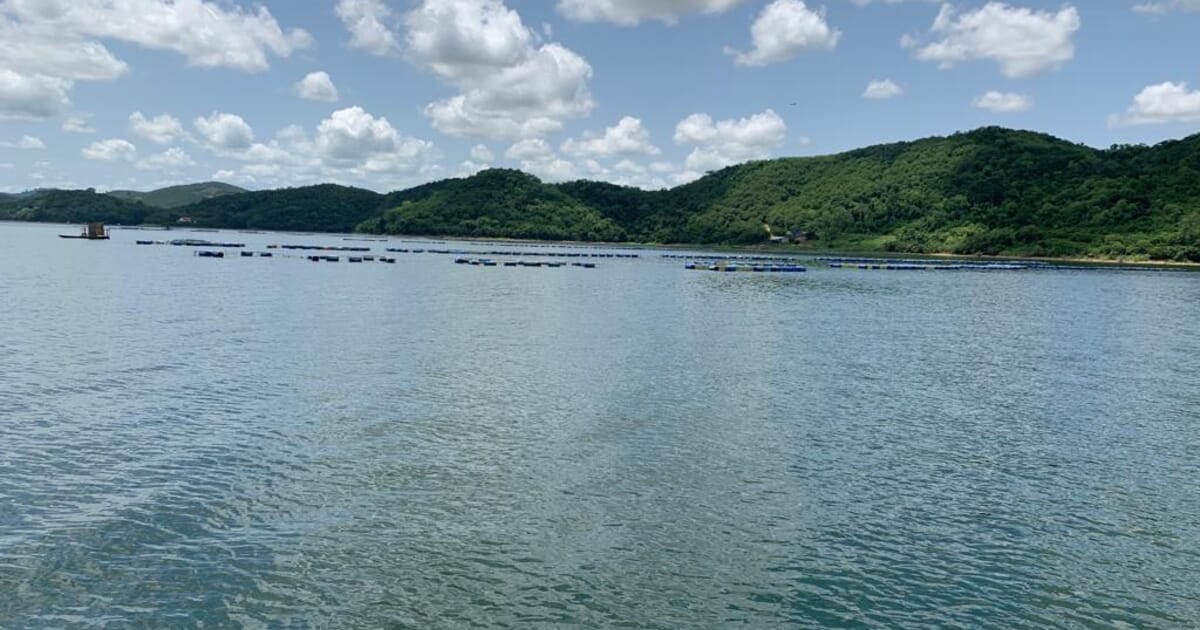
Lake Volta might be the most productive aquaculture centre in Ghana, but the current model of fish farming on the lake is unsustainable, according to Dr Kofitsyo Cudjoe, a senior adviser at the…
Results from a new trial show that shrimp fed a diet containing the microbial protein Uniprotein in place of fishmeal improved survival rates by up to 75 percent.
Scientists from the USDA's Agriculture Research Service have developed a new rainbow trout line that is resistant to bacterial cold-water disease, one of the most challenging pathogens in the North…
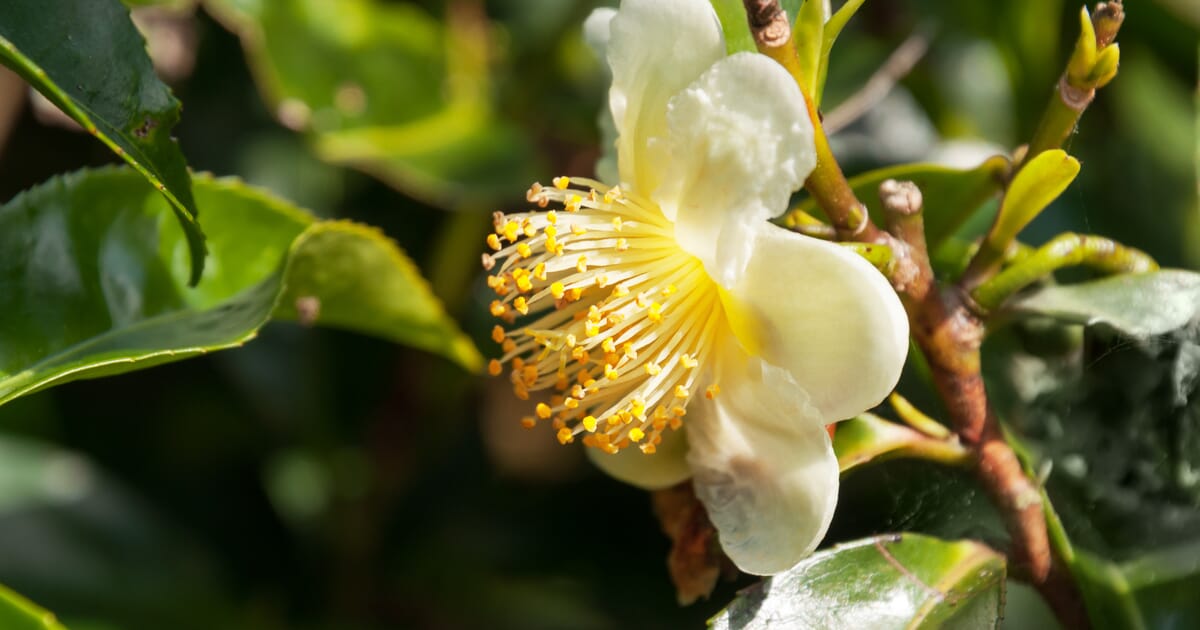
A traditional Chinese herbal prophylactic, containing bioavailable phytonutrients recovered from the Camellia sinensis tea bush, has been shown to protect shrimp from outbreaks of AHPND and W…
A scientific study involving genetically selected Streptococcosis-resistant tilapia fingerlings has demonstrated that they can help farmers make significantly improved profits in both ponds and…
The EU-funded VIVALDI project has released its full technical manual on bivalve biosecurity and disease management, along with recommendations to prevent, mitigate and control diseases in shellfish.
Researchers in China caution that some commercial probiotics for the aquaculture industry may be mislabelled, and also contain cytotoxins and antibiotic resistance genes that can be passed to other…
Despite being susceptible to multiple viral and bacterial diseases, less than 5 percent of farmed tilapia are vaccinated. How can stakeholders work together to improve the industry’s vaccine uptake?
Shrimp fed diets containing FeedKind, a novel microbial protein produced by Calysta, have been shown to be more resistant to Vibrio parahaemolyticus – the source of early mortality syndrome (…
Scientists with the US Agricultural Research Service (ARS) are closer than ever to finding answers and potential remedies to Aeromonas hydrophila, a fatal disease in farmed catfish.
We use cookies to improve your experience, analyse site traffic and understand where our audience comes from. Accept all cookies, or continue with only those essential to running the site. See our Privacy & cookie policy.



-is-one-of-the-pioneers-of-nursery-system-in-Indonesia.jpg?scale.option=fill&scale.width=1200&scale.height=630&crop.width=1200&crop.height=630&crop.y=center&crop.x=center)