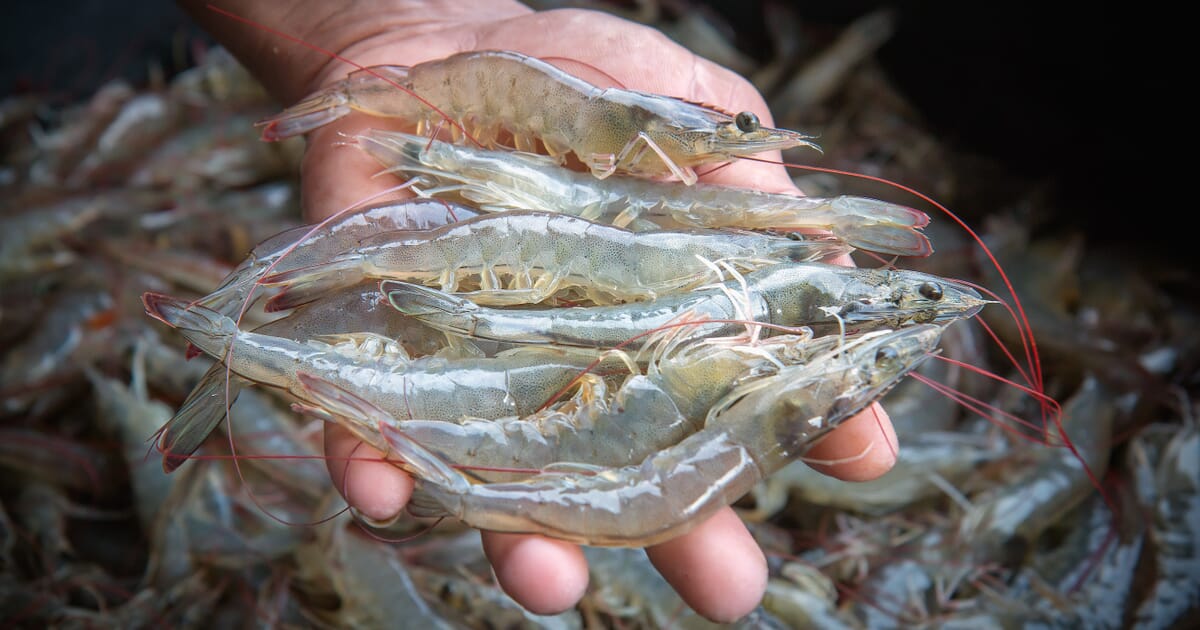
Times have rarely been tougher for shrimp farmers in India, but Balasubramaniam V, general secretary of the Prawn Farmers Federation of India, believes that the industry can transform its fortunes…
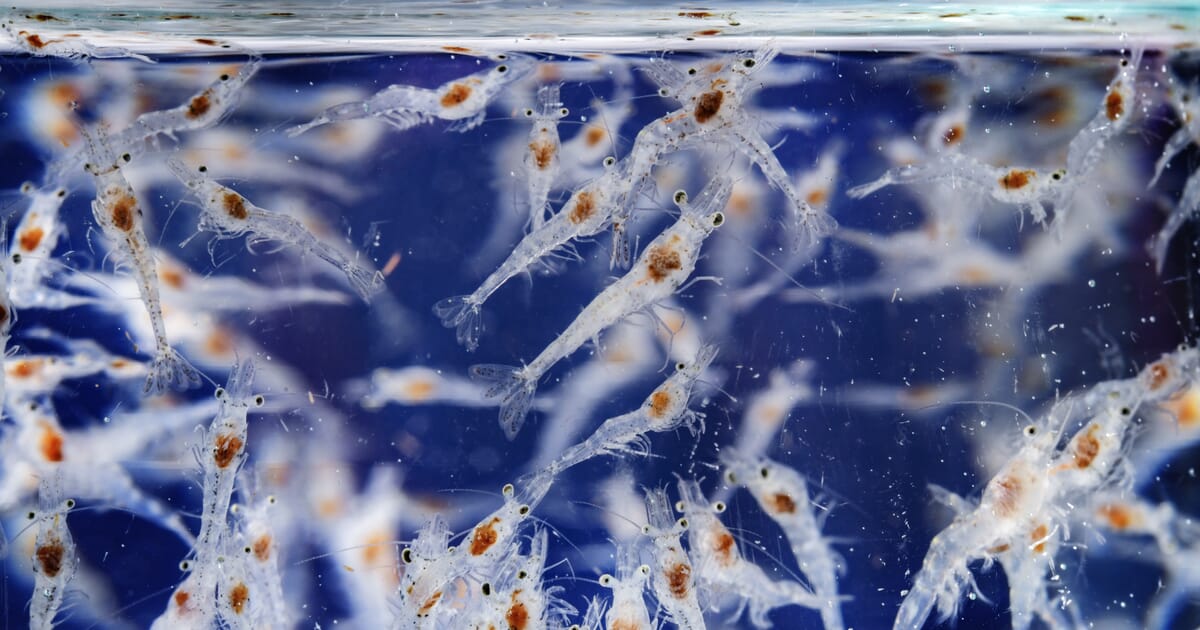
Recent trials demonstrate that a new prebiotic developed by GreenSage Prebiotics dramatically improves FCRs and survival rates in farmed shrimp and salmon, paving the way for commercial launch.
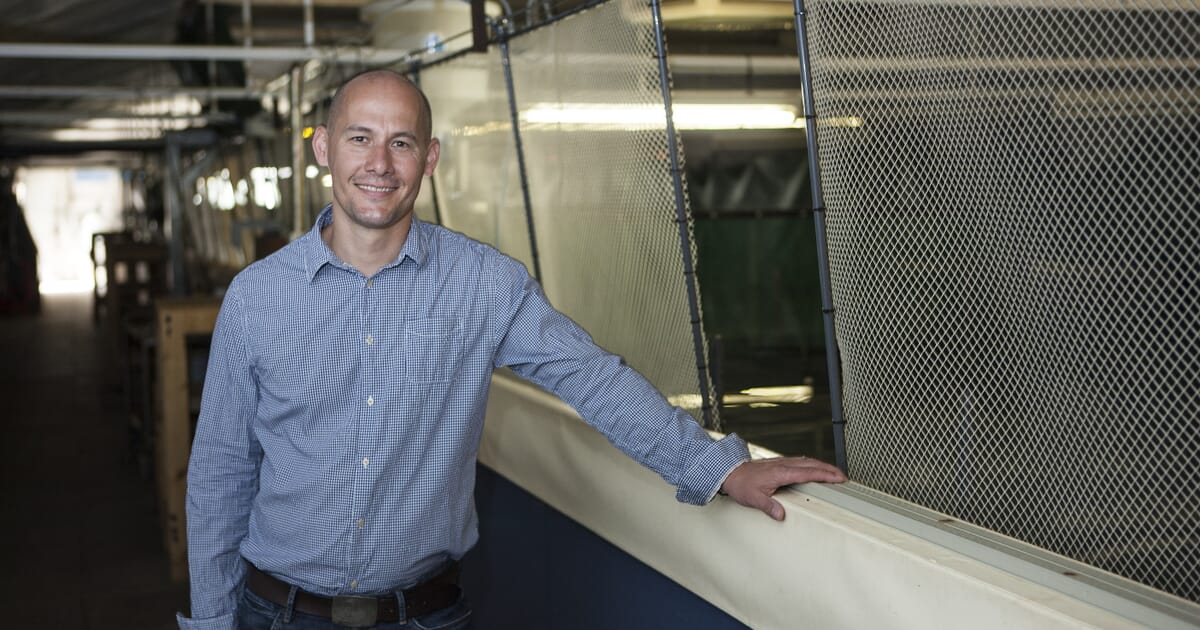
After leading a management buyout of Spring Genetics from Benchmark, Hideyoshi Segovia Uno is working hard to help ensure the international tilapia sector – particularly in Latin America (LATAM) –…
Streptococcus agalactiae and S. iniae are two of the most devastating bacteria to impact the warm freshwater fish farming sector around the world – causing diseases that can lead to 80 percent…
Chilean biotech startup Aquit is developing a preventative treatment against infections in fish that boosts natural immunity, improves survival rates and replaces the need for antibiotics, according…
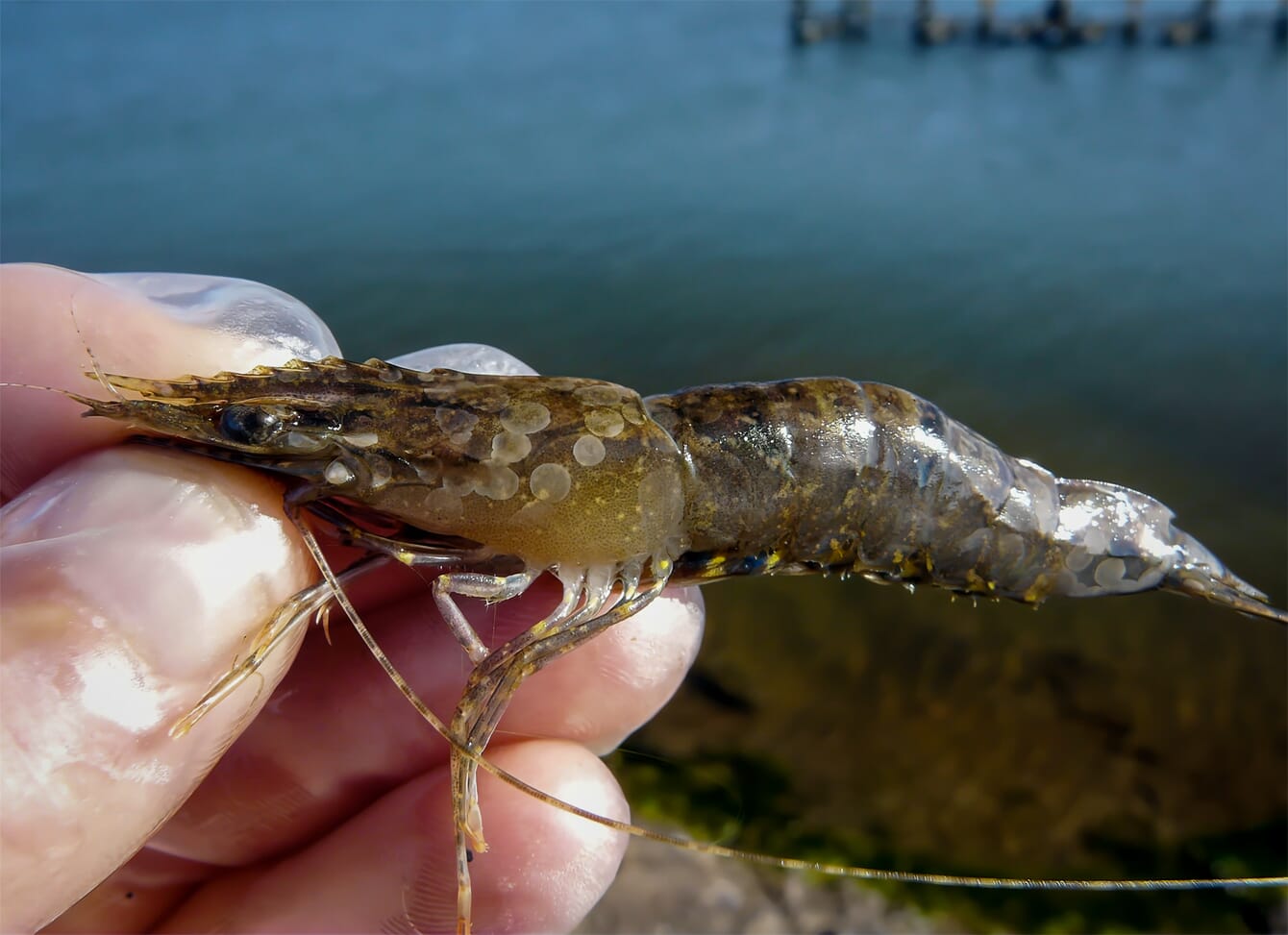
Shrimp farmers in Indonesia are increasingly turning to UV treatment as an alternative to chemical options for significantly reducing the presence of Vibrio in their ponds.
While the slow intensification of shrimp farming appears to be working in Latin America, Ecuadorian producers should be wary of the Asian example, where even heavy investments in new technologies…
Next generation sequencing technologies and metagenomics are proving their worth among early aquaculture adopters – in particular RAS operators – according to Matthew Pope, founder and managing…
Access to a growing array of recent and emerging technologies offers hope for breeding shrimp which are either faster growing or more resistant to specific diseases, but the performance of improved…
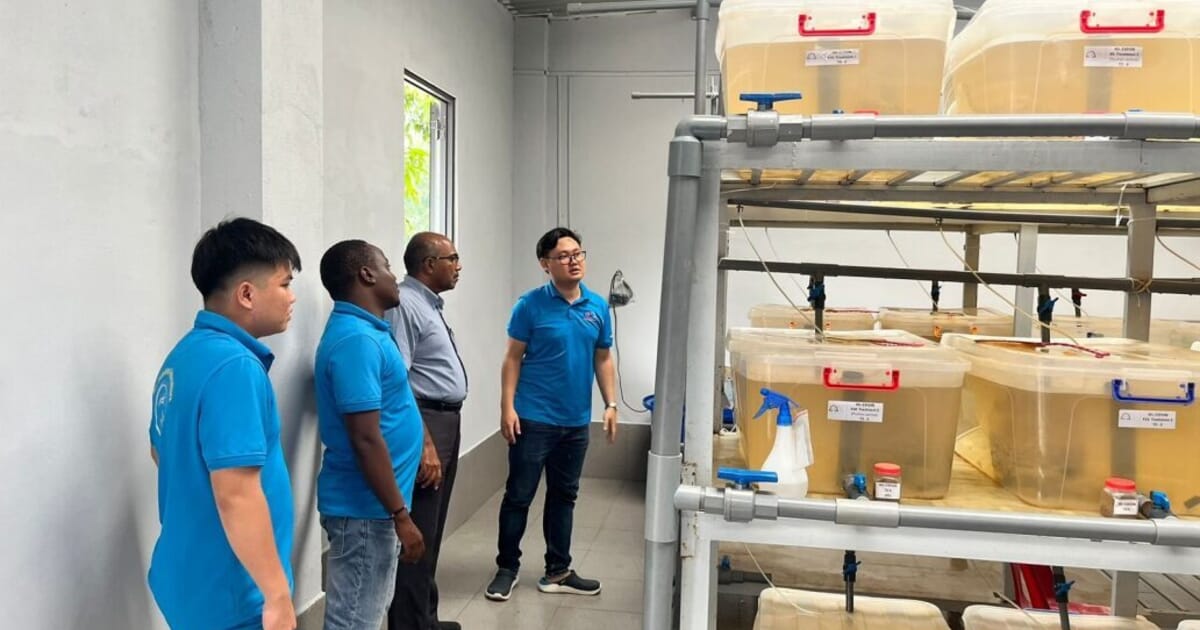
Ten years after returning to Vietnam, Loc Tran, founder and CEO of ShrimpVet, is looking for ways to help farmers adopt more progressive and efficient practices in order to survive the current…
Bert Wecker, founder of Neomar, believes that farming tropical shrimp in temperate countries is on the verge of being highly profitable, and that the sector is all set for expansion, both in Europe…
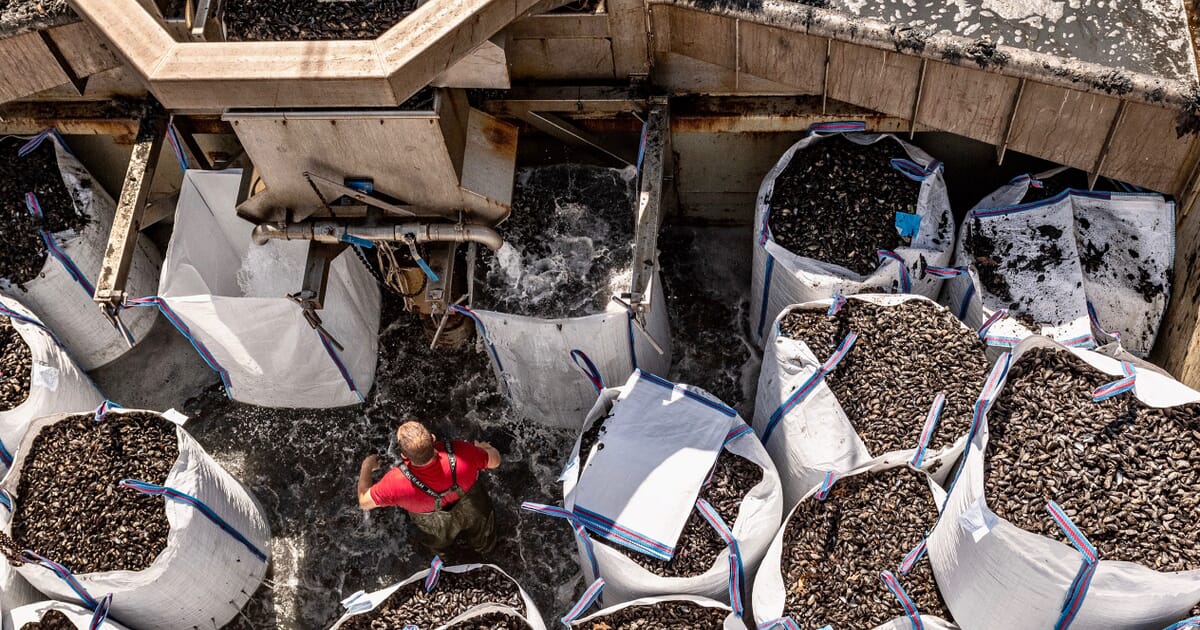
Post-Brexit regulations are posing a threat to one of the UK’s oldest aquaculture sectors, in the Menai Strait – where mussel harvests have dropped from 7,500 tonnes in 2016 to around 400 tonnes in…
Water disinfection is a necessary step in preparing aquaculture facilities before stocking, but it also causes microbiome die-offs which result in the higher likelihood of disease further down the…
Shrimp farmers in Indonesia are grappling with a range of challenges, including declining prices, rising production costs and disease outbreaks. Despite these hurdles, they remain committed to their…
A researcher from Brazil’s UNESP university has identified a bacteria linked to a myriad of diseases in both humans and intensive tilapia aquaculture as part of her master’s thesis.
Following a challenging seven years, Nigeria’s first commercial-scale black tiger prawn producer is now up, running and ready to supply high end markets with ASC certified shrimp – from Lagos, to…
Asia’s shrimp farmers need to reboot their attitude to biosecurity and stocking densities, argues Robins McIntosh, in a follow-on to Monday’s article on the dangers of disinfection*.
The past few months have been gruelling for a number of tilapia farmers on the Kenyan side of Lake Victoria, with the deaths of hundreds of millions of fish.
The overuse of disinfectants, coupled with farmers’ willingness to exceed their systems’ carrying capacities, have been key factors in the downfall of the Asian shrimp sector over the last decade,…
The production of shrimp in Asia is likely to experience minimal growth in 2023, according to Gorjan Nikolik, who also argues that prices are unlikely to improve much from their current level.
Benjamin Orishaba, a 28-year-old Ugandan, is currently managing three tilapia hatcheries for a government fish farming project in Cote D’Ivoire and also runs his own aquaculture consultancy company.
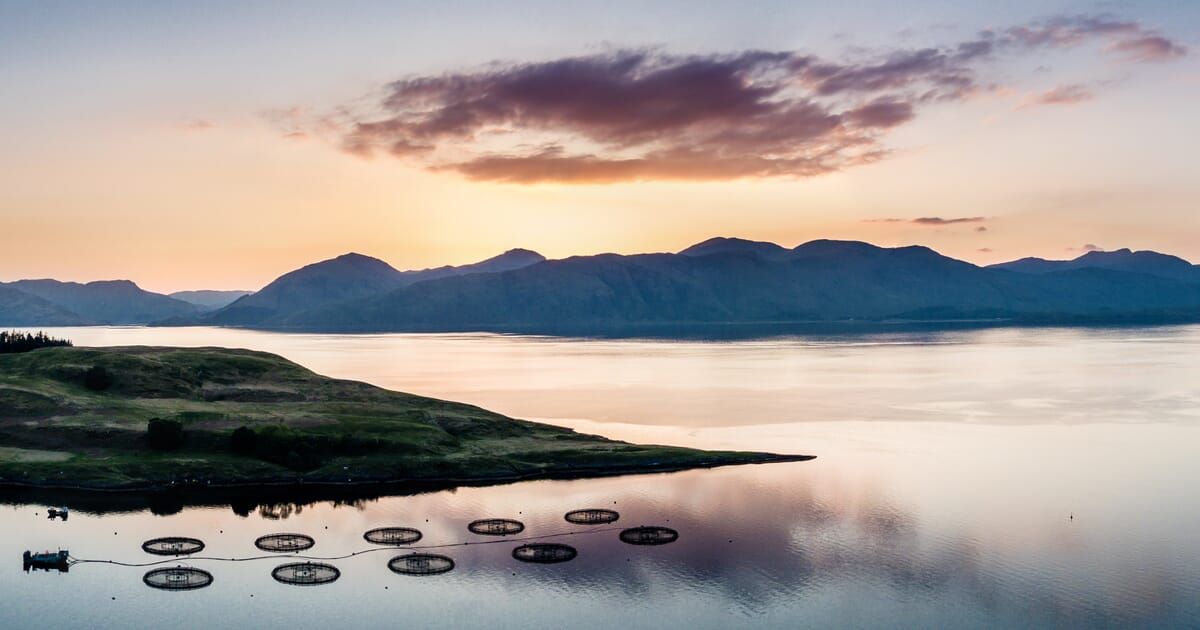
A new multi-cohort trial has demonstrated the efficacy of semi-closed containment systems (SCCS) for Atlantic salmon – with results showing lower lice counts, higher growth rates, higher final…
Indonesia has developed a range of local strains of tilapia, largely to improve growth rates and general disease resistance, but there’s still scope for these to be more widely adopted.
We use cookies to improve your experience, analyse site traffic and understand where our audience comes from. Accept all cookies, or continue with only those essential to running the site. See our Privacy & cookie policy.














.jpeg?scale.option=fill&scale.width=1200&scale.height=630&crop.width=1200&crop.height=630&crop.y=center&crop.x=center)