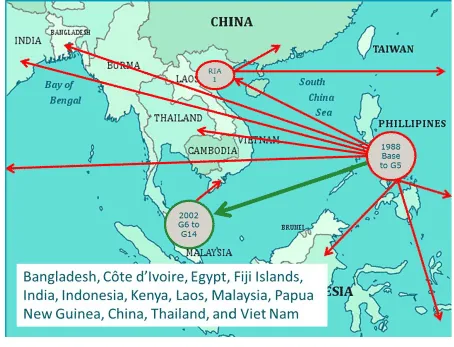
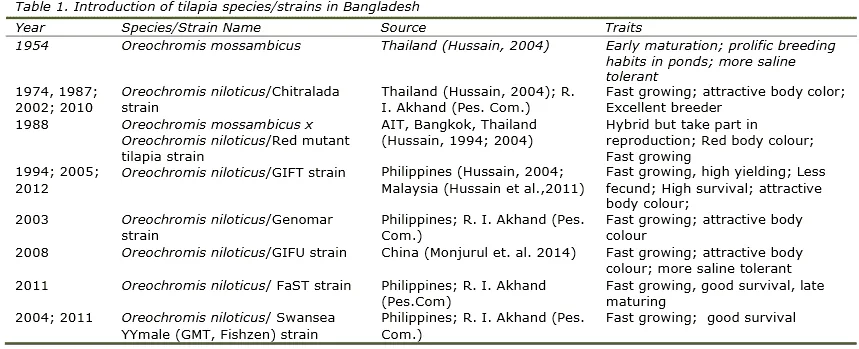
This is a review by Hans Komen, Wageningen University, Netherlands and Trinh Quoc Trong, Research Institute for Aquaculture, Viet Nam, of the current developmental state of Nile tilapia selective…
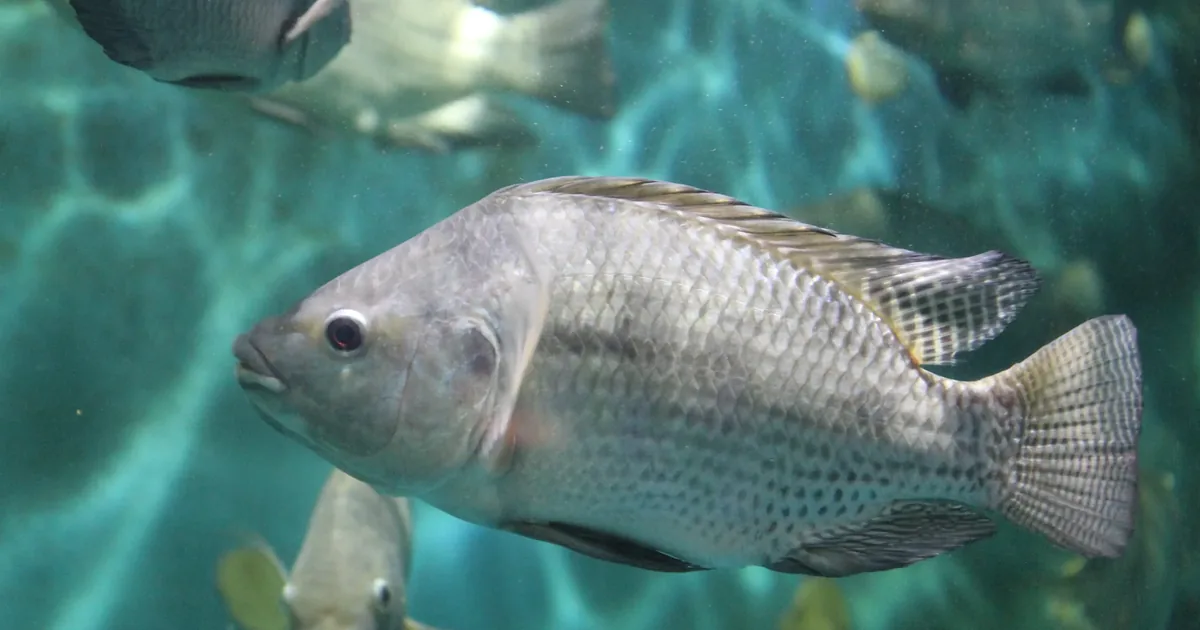
Tilapia is globally recognized as one of the most important aquaculture species of the 21st century. Tilapia culture has expanded rapidly in a wide range of farming environments from extensive to…
A plentiful supply of yellow perch was once available in the US Great Lakes region, but that changed in the 1990s. Populations of this Midwest fish-fry favorite dropped dramatically due to the…
New findings published by researchers at the New York University Polytechnic School of Engineering are helping to unravel the complex interplay between alcohol and social behavior and may lead to new…
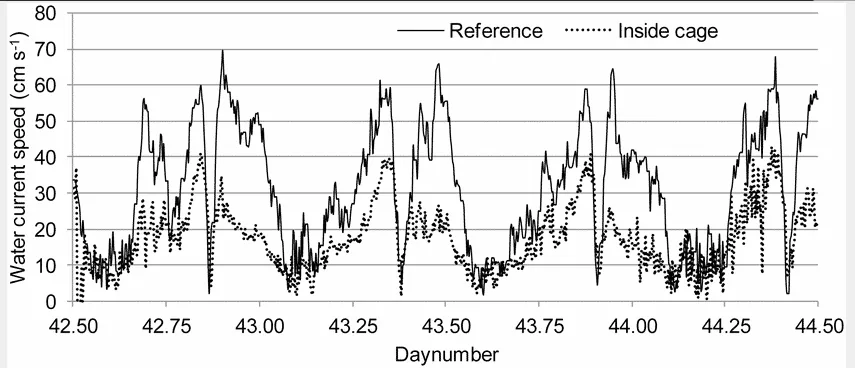
Positioning of sea cages at sites with high water current velocities expose the fish to a largely unknown environmental challenge. In this study David Johansson et al, Institute of Marine Research,…
TEXAS - The Gulf Marine Institute of Technology (GMIT), an IRS approved non-profit research institute, has been trying to initiate aquaculture in the Gulf of Mexico since 1995 and has been involved…
Introduction
Discussion of the current shrimp disease crisis focuses on the microbiology of pathogens and the regulations needed to limit their spread locally and across national boundaries (FAO…
By adjusting water discharges in ways designed to boost salmon productivity, officials at a dam in central Washington were able to more than triple the numbers of juvenile salmon downstream of the…
Introduction
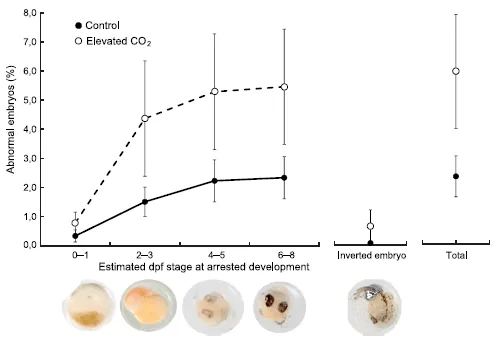
The anthropogenic increase in atmospheric CO2 concentration is a major environmental concern. One alarming consequence is a rapid change in seawater chemistry and decrease of ocean pH…
Worldwide harvest of farmed tilapia has now surpassed 800,000 metric tons, and tilapia are second only to carps as the most widely farmed freshwater fish in the world, reveal Thomas Popma, from…
A genetic linkage map has been constructed for Atlantic halibut on the basis of 258 microsatellites and 346 AFLPs. Twenty-four linkage groups were identified, consistent with the 24 chromosomes seen…
By The Malta Centre for Fisheries Sciences - The Malta Centre for Fisheries Sciences (MCFS) successfully obtained fertilised eggs from amberjack (accjol) broodstock reared in captivity. The…
This article looks at the life history and habitat characteristics of the Atlantic halibut. By Luca M. Cargnelli, Sara J. Griesbach, and Wallace W. Morse, National Marine Fisheries Service.
By Merrill Leffler, published by Maryland Sea Grant, University of Maryland - Striped bass aquaculture, while growing, is still only a tiny portion of the U.S. seafood economy. Limiting that growth…
We use cookies to improve your experience, analyse site traffic and understand where our audience comes from. Accept all cookies, or continue with only those essential to running the site. See our Privacy & cookie policy.