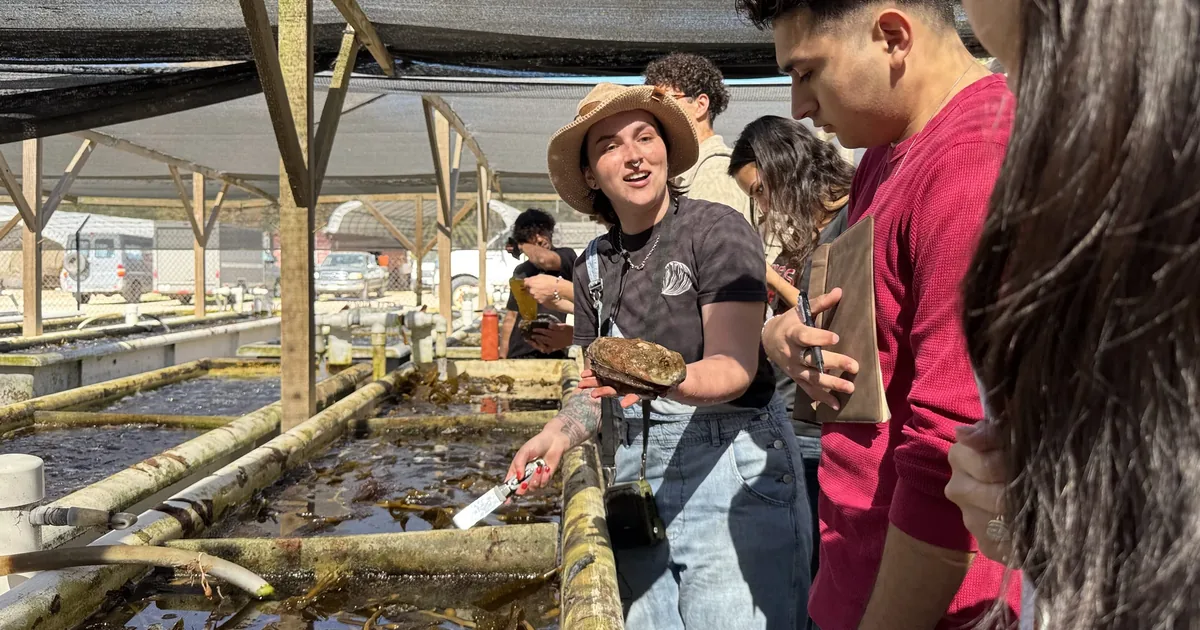
A major challenge of abalone farming has been the infestation of the sabellid worm. Although small in stature at 2-5mm long, the shell-boring worm affects farms across the globe. Infested abalone will develop thickened shells that impede growth and reduce market value. Once a farm is infested, eradication is extremely difficult.
Traditionally, the detection of the sabellid worm has been confined to visual inspections. This is a time-consuming process that only reveals the presence once the infestation is well-established.
Esox Biologics, who use metagenomics to detect every microbe in a water sample, has become the first company in the world to sequence the whole genome of the sabellid worm. By doing so, they have enabled the sensitive detection of the worm without the need of handling livestock.
Their microbiome analysis platform, Detect, can provide farmers around the world with the earliest opportunity to discover the presence of the sabellid worm, its larvae and microscopic eggs. This means farmers can detect the worm before it infests the abalone shell.
Matthew Pope, managing director at Esox Biologics said in a press release: “We’re pleased to add this sabellid worm to our detection database. This persistent problem wastes time and reduces the value of a farmer’s harvest. Sequencing the sabellid genome means abalone farms can now screen for all their pathogens of concern from a single water sample.”