The London-based company says the breakthrough could help abalone farmers detect infestations earlier using water samples rather than visual inspections.
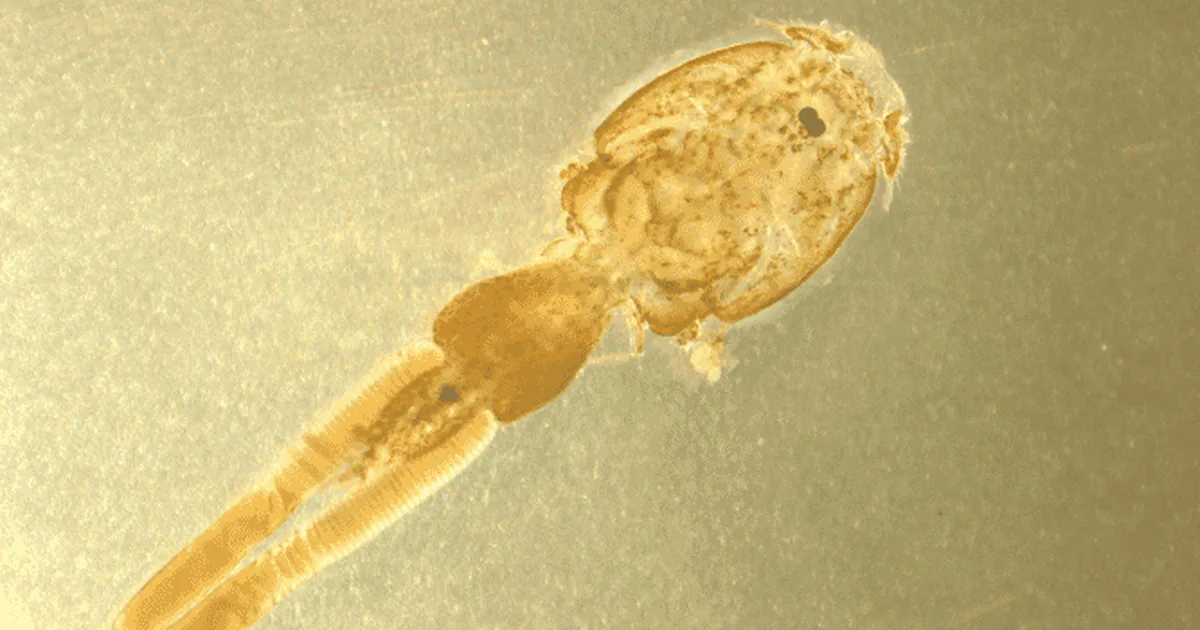
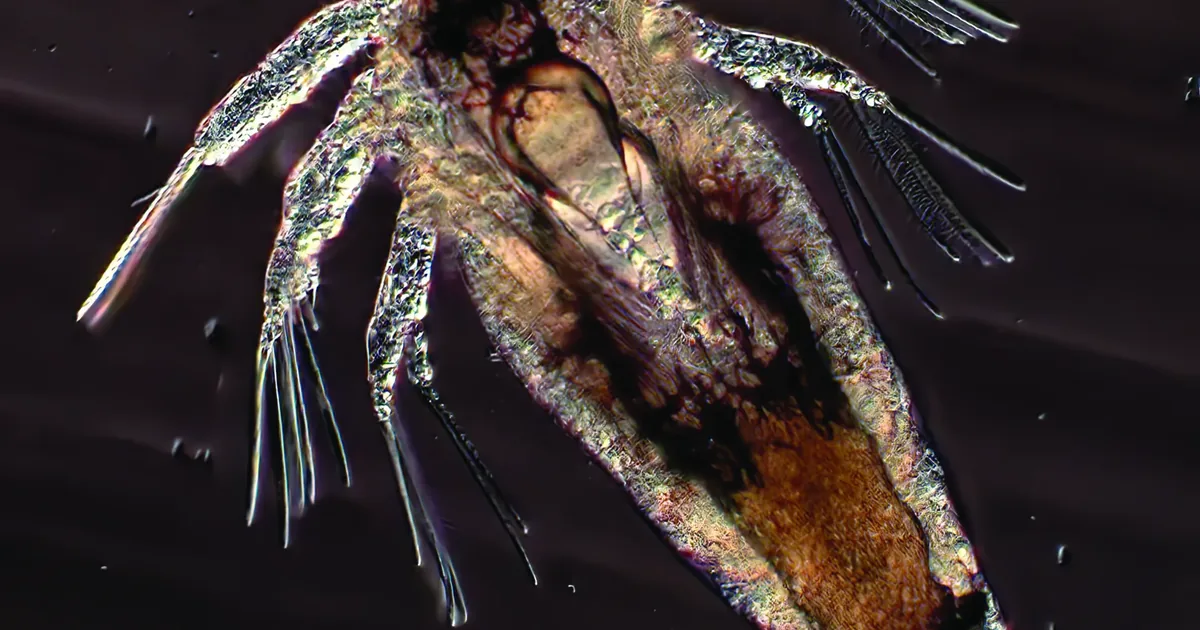
A University of Stirling study has uncovered major differences in the secretions produced by salmon lice larvae, a discovery that could better inform strategies to control the global aquaculture…
Disease management is one of the most persistent challenges in aquaculture and the solutions often come at a cost to both the environment and the fish themselves. But one company, Sundew, believes…
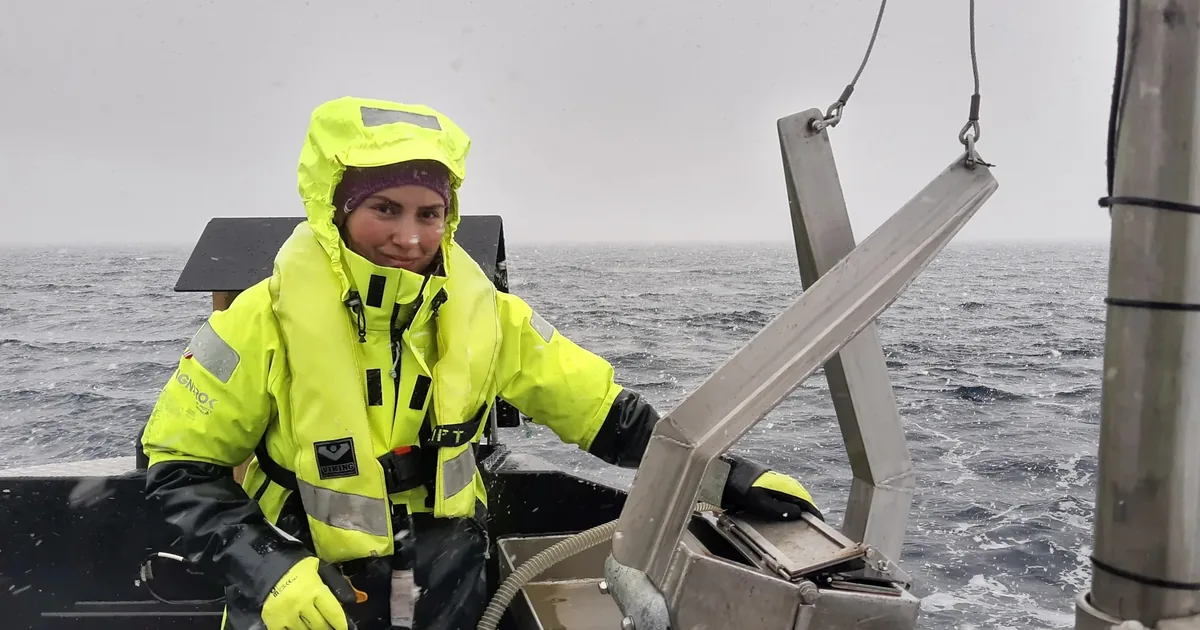
Scientists from Norway and Australia are approaching the sea lice problem differently, arguing that it is essential to have an in-depth understanding of their biology and behaviour in order to manage…
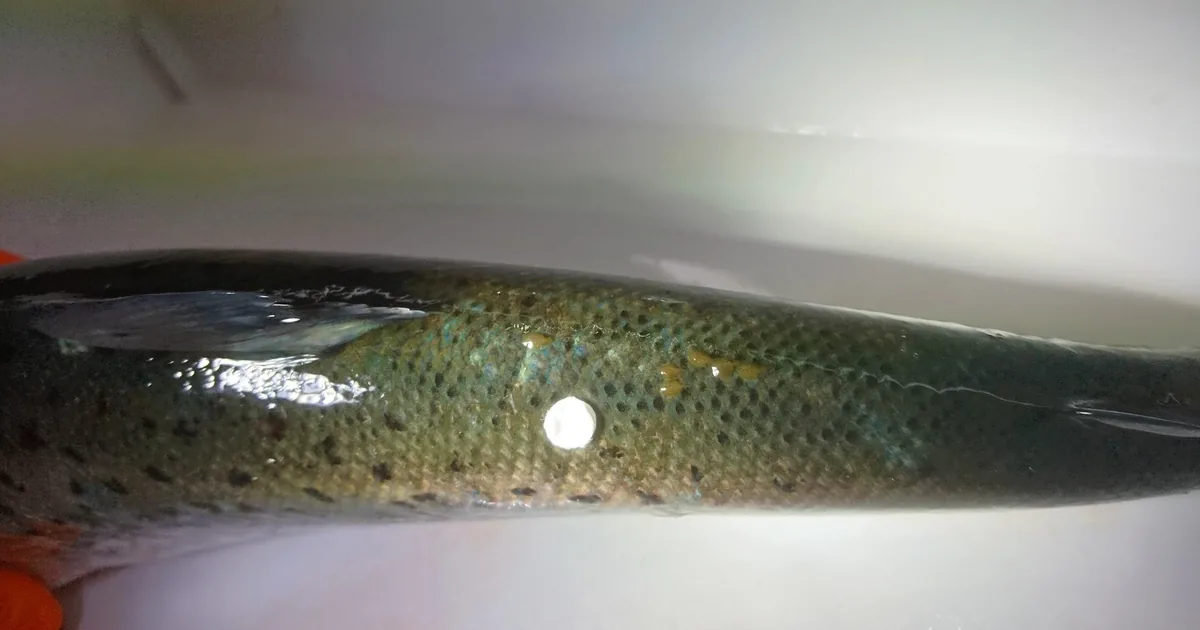
New research led by Nofima reveals that coho salmon mount a rapid and local immune response that helps them actively reject sea lice, offering insights that may guide breeding and treatment…
Manolin - a Norwegian aquaculture data intelligence firm - has launched its new Observer Report series, beginning with a comprehensive assessment of sea lice pressures and treatments across Norway.
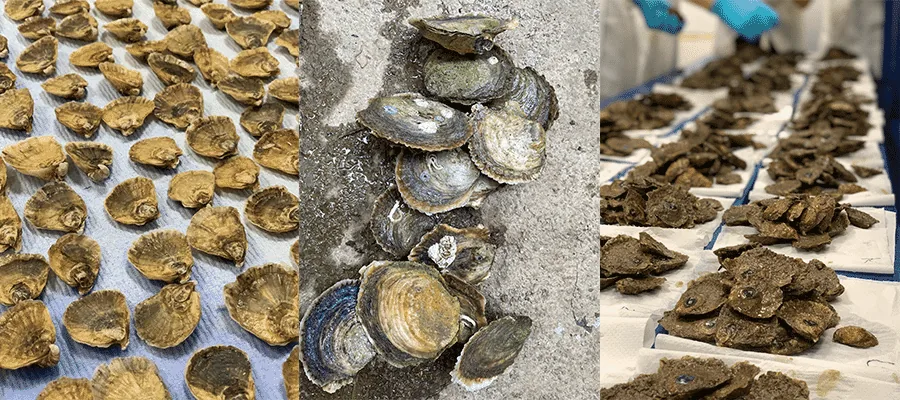
The Canadian Food Inspection Agency (CFIA) has confirmed the presence of Dermo (also known as Perkinsosis) in oyster samples collected in Merigomish, Nova Scotia – the first confirmed case in the…
Recent trials demonstrate that a new prebiotic developed by GreenSage Prebiotics dramatically improves FCRs and survival rates in farmed shrimp and salmon, paving the way for commercial launch.
Researchers from the University of Glasgow have been granted £3 million in funding across four projects which focus on overcoming current challenges faced by the aquaculture sector.
A recent collaborative study investigated a new delivery method for emamectin benzoate (EMB) - the active chemical in some medicinal delousing treatments.
Researchers investigating the potential of vaccine treatments for sea lice have secured funding to advance the study beyond the proof-of-concept phase, which concluded last year.
The British restaurant chain, which serves Japanese inspired food, has faced backlash from campaign groups such as Feedback and Wildfish over the inclusion of farmed salmon in several of their dishes…
Following extensive and thorough evaluation, the use of laser technology has been shown to be effective for the removal of salmon lice whilst being gentle on the hosts, according to Cermaq, which…
The technology can destroy up to 95 percent of salmon lice larvae present in the water supply for a closed containment aquaculture system, according to the Norwegian engineer who is developing the…
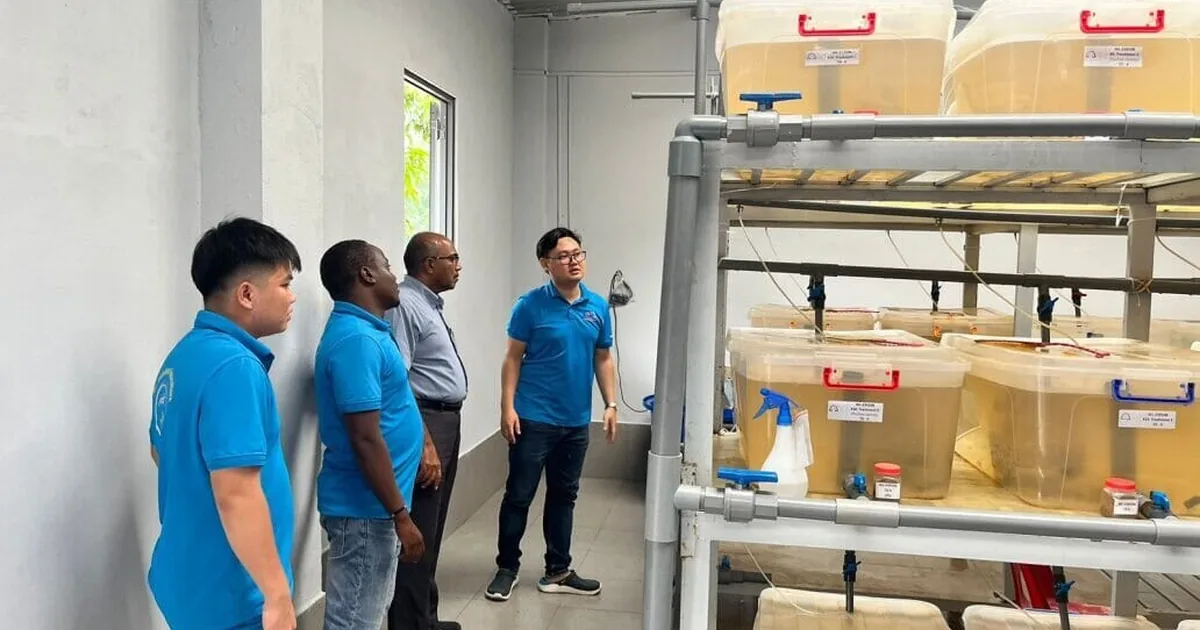
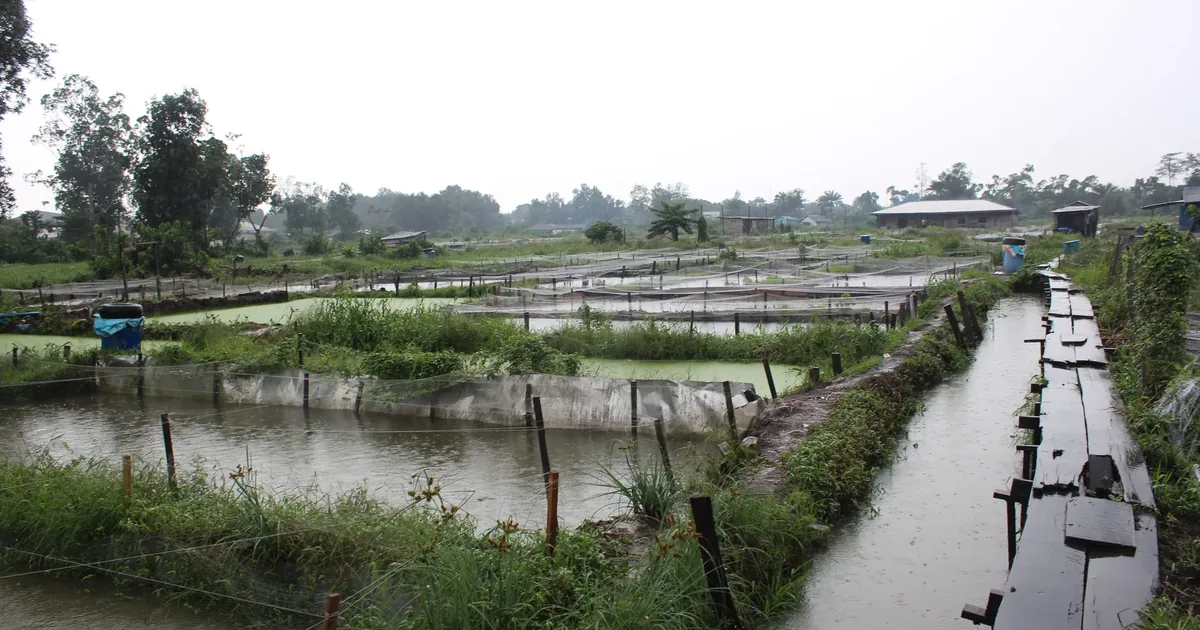
Enos Were, the managing director of Jewlet Fish Farms, is a pioneer who has transformed East Africa’s aquaculture industry by training countless fish farmers, researchers and government officials, as…
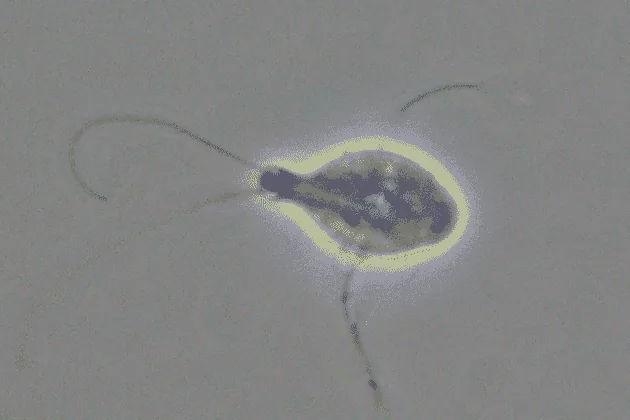
The parasite Spironucleus salmonicida is causing concern for salmon producers in Northern Norway as emerging research suggests it can infect both farmed stocks and cleanerfish.
A new paper argues that there’s an urgent need to improve understanding of the genetic mechanisms involved in host resistance to whitespot syndrome virus (WSSV) and sea lice – two of the greatest…
Researchers at Scotland's Roslin Institute have published multiple papers on oyster genetics that could help the industry produce larger and healthier shellfish.
Nofima scientists sound hopeful after results from an initial trial that uses peracetic acid as an alternative treatment for amoebic gill disease (AGD) were "promising" – but stress that the…
New research suggests that tapeworms often found in the gut microbiome of Atlantic salmon can host their own microbial communities – potentially rewriting the parasitic treatment methods currently…
Emerging research has shown that nutraceuticals in aquafeed can delay the onset and progress of clinical signs of amoebic gill disease (AGD) in farmed Atlantic salmon.
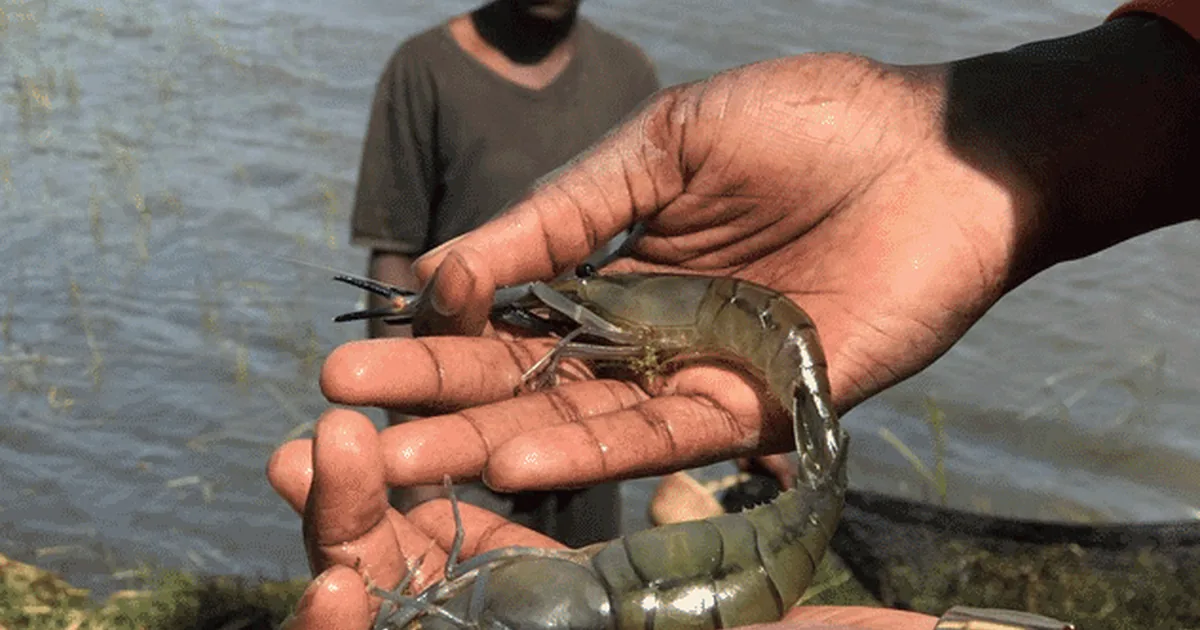
In collaboration with local villagers and scientists, an international team of researchers are breeding and releasing freshwater prawns into the Senegal River in an attempt to combat a spiralling…
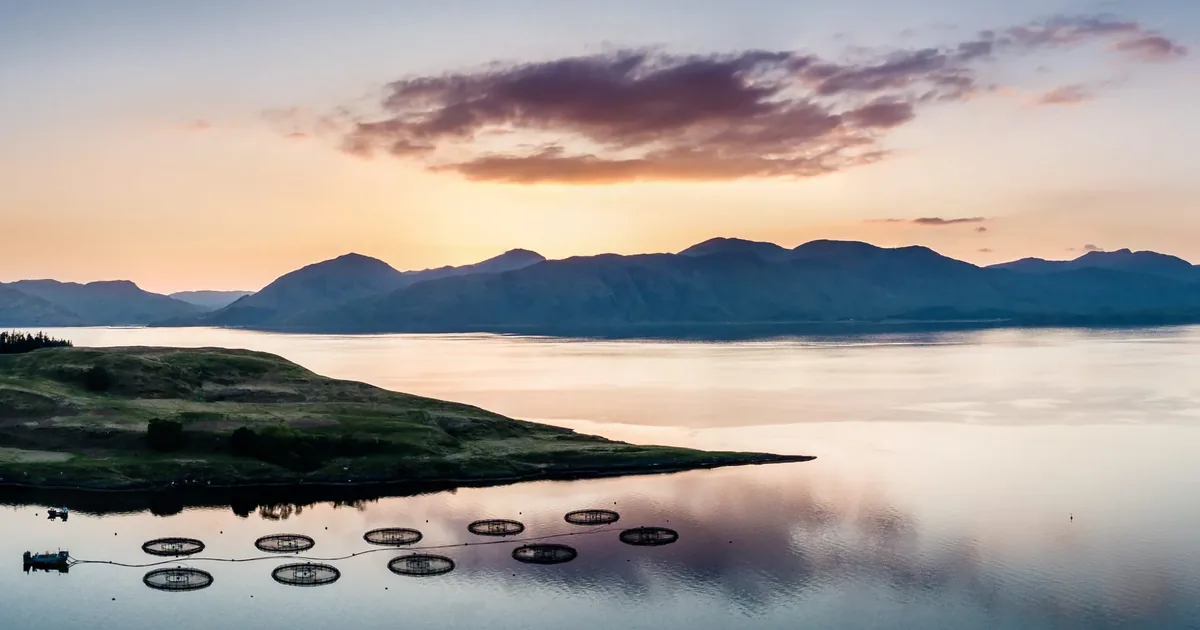
New methods for performing freshwater treatments against sea lice and amoebic gill disease (AGD) in salmon farms have been successfully developed and trialled in Ireland.
As EU countries consider banning many chemical therapeutants used in fish farming, researchers suggest using humic substances and hydrogen peroxide as sustainable and environmentally friendly…
We use cookies to improve your experience, analyse site traffic and understand where our audience comes from. Accept all cookies, or continue with only those essential to running the site. See our Privacy & cookie policy.