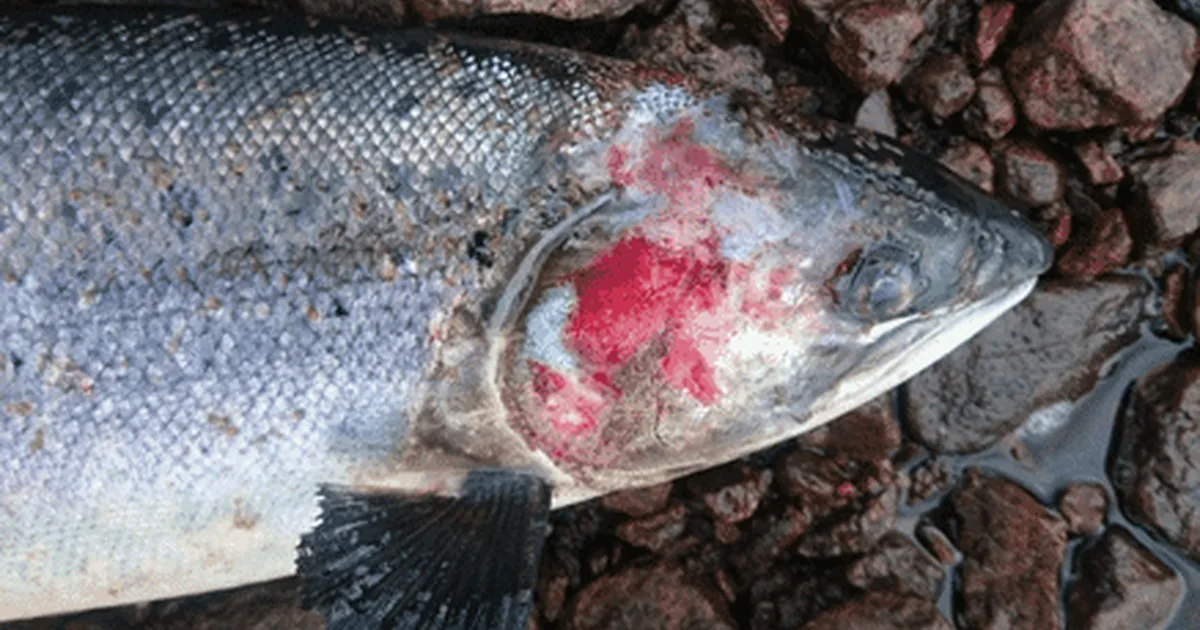
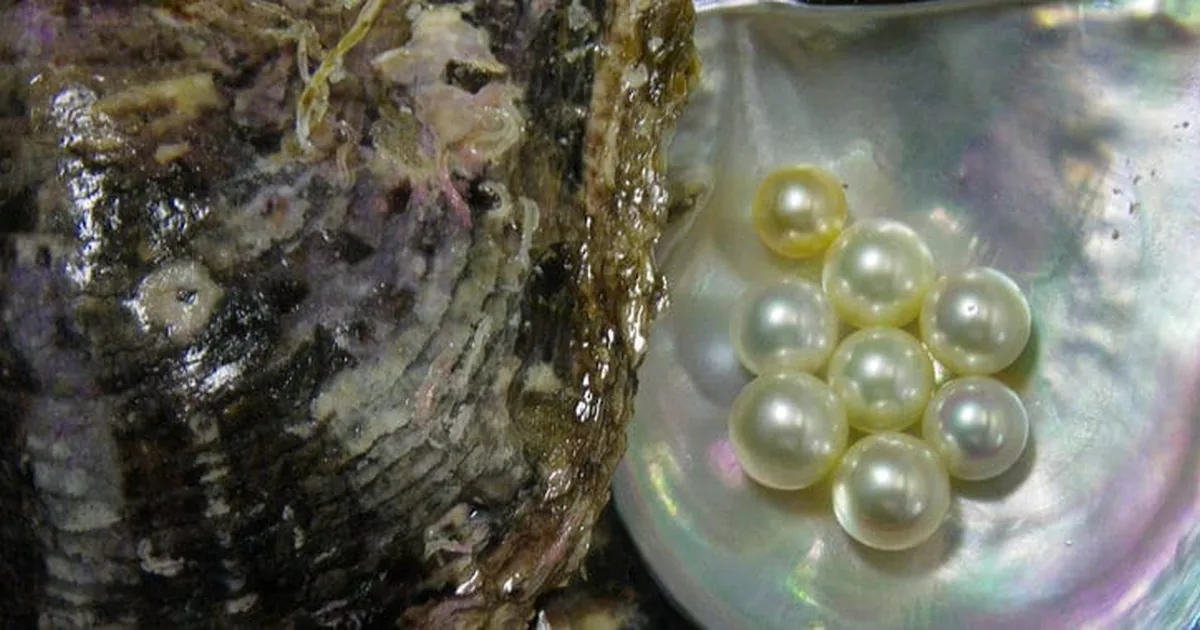
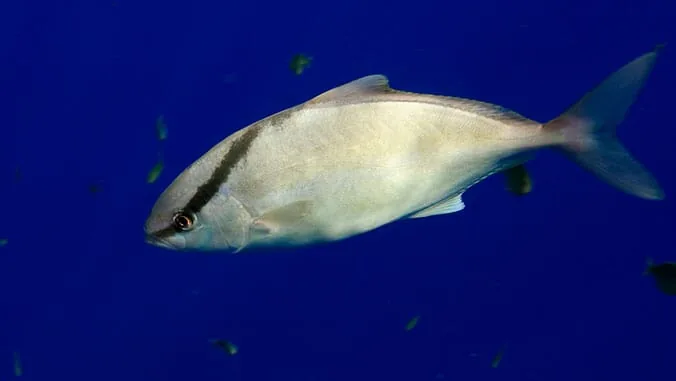
The London-based company says the breakthrough could help abalone farmers detect infestations earlier using water samples rather than visual inspections.
A new paper details how molecular tools such as CRISPR could be effectively used to increase the resistance of Atlantic salmon to sea lice – improving fish welfare and reducing costs for the salmon…
The University of Chile’s EDIGEN initiative will host its first international meeting to explore the latest advances in gene editing and genomic tools for aquaculture species.
Scientists at the University of Stirling have discovered new skin cells in Atlantic salmon that offer better understandings of wound healing and tissue regeneration. The discovery could support…
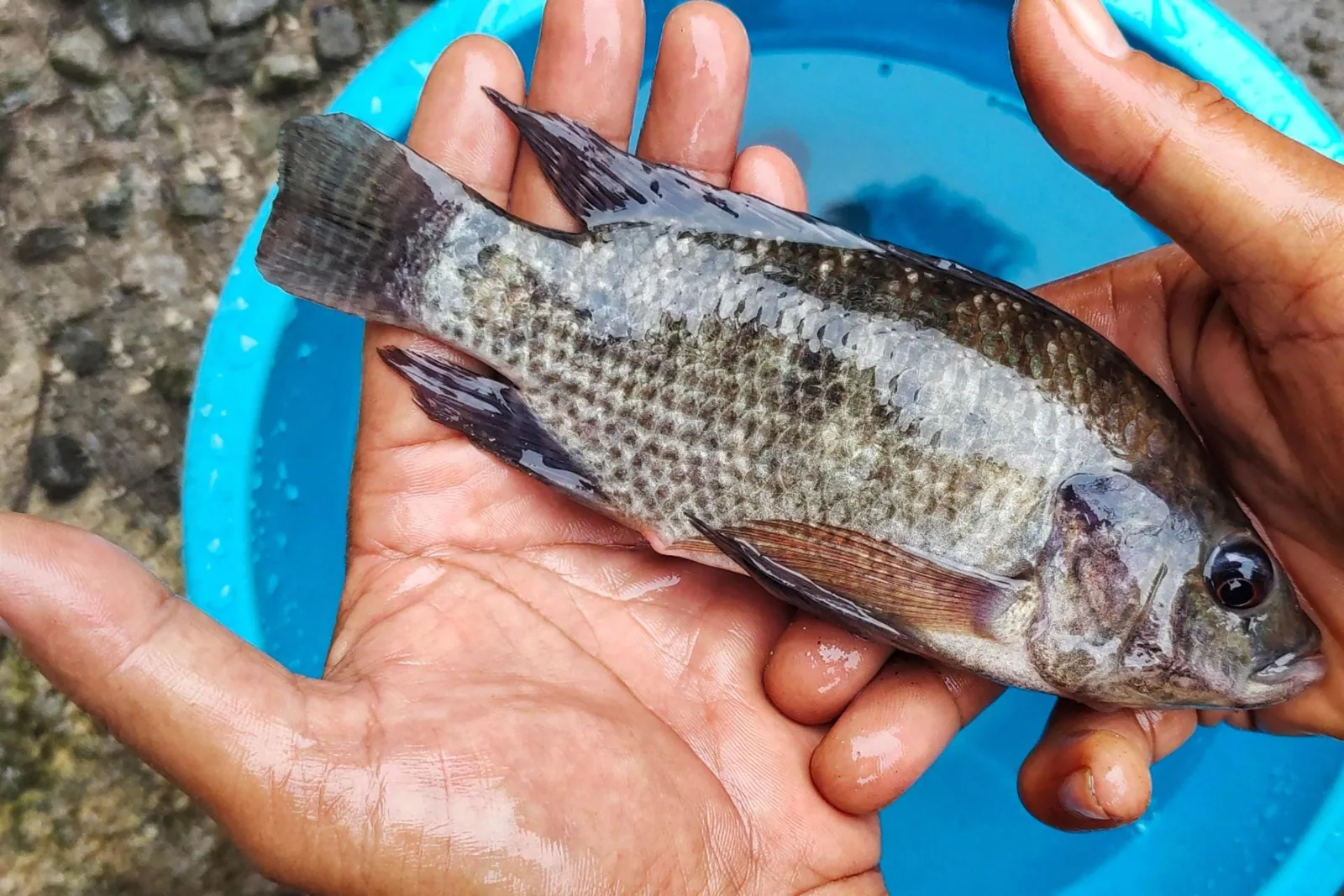
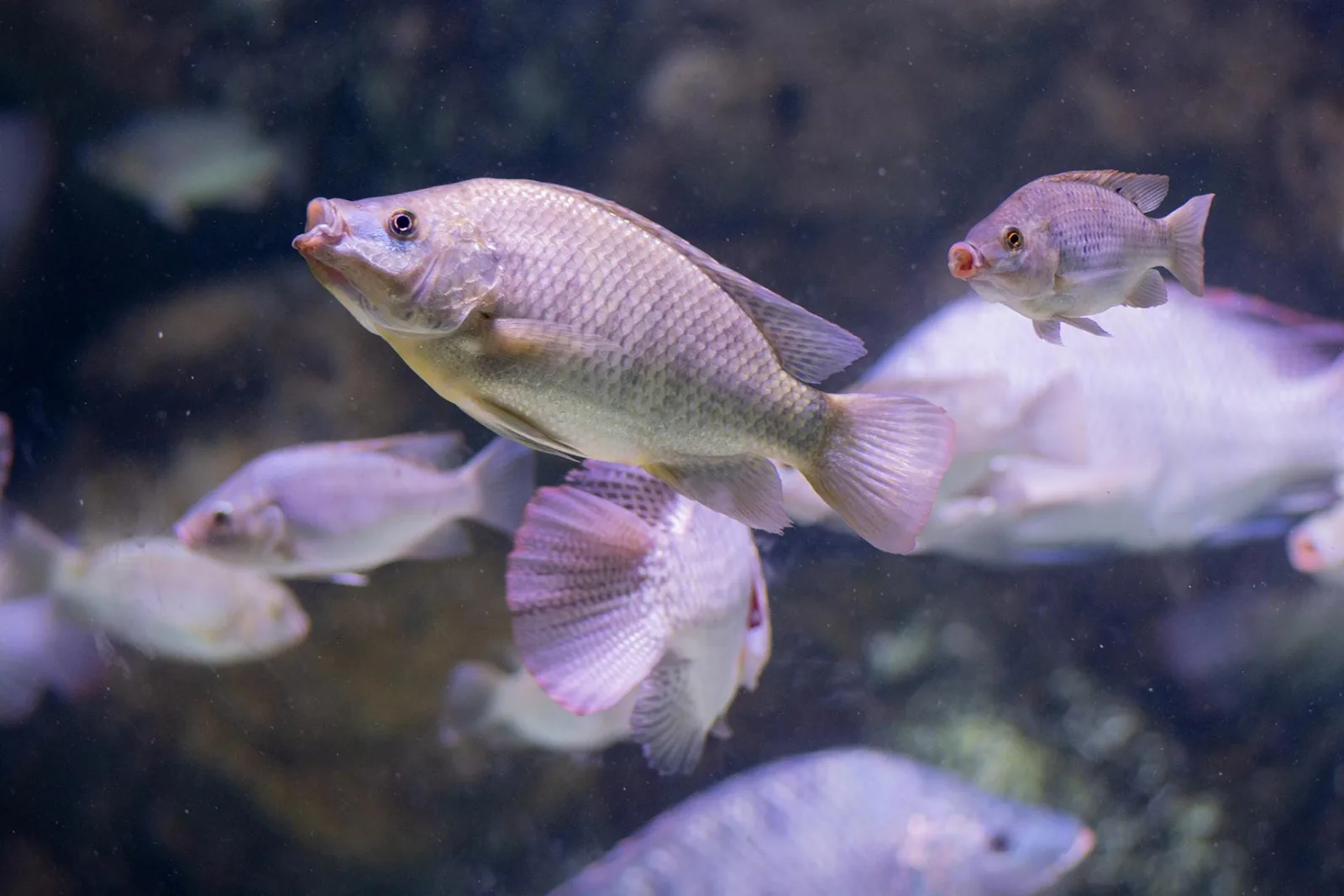
A new business opportunity which will involve the Centre for Aquaculture technologies (CAT) collaborating with Brazilian Fish to grow genome edited tilapia is a promising landmark – both for the…
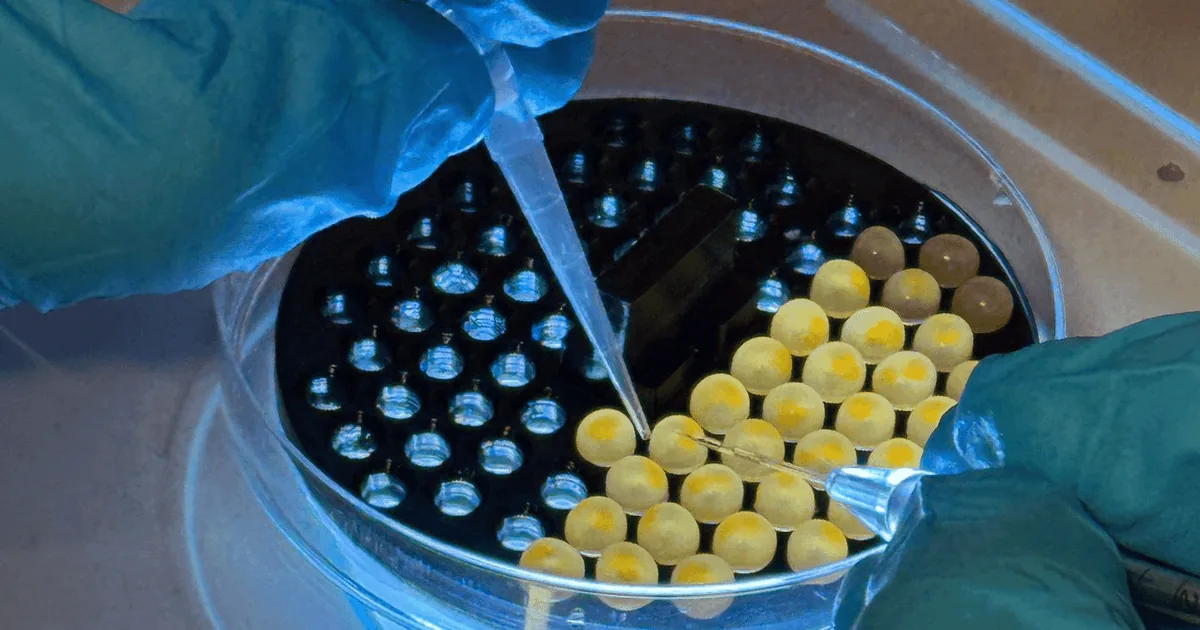
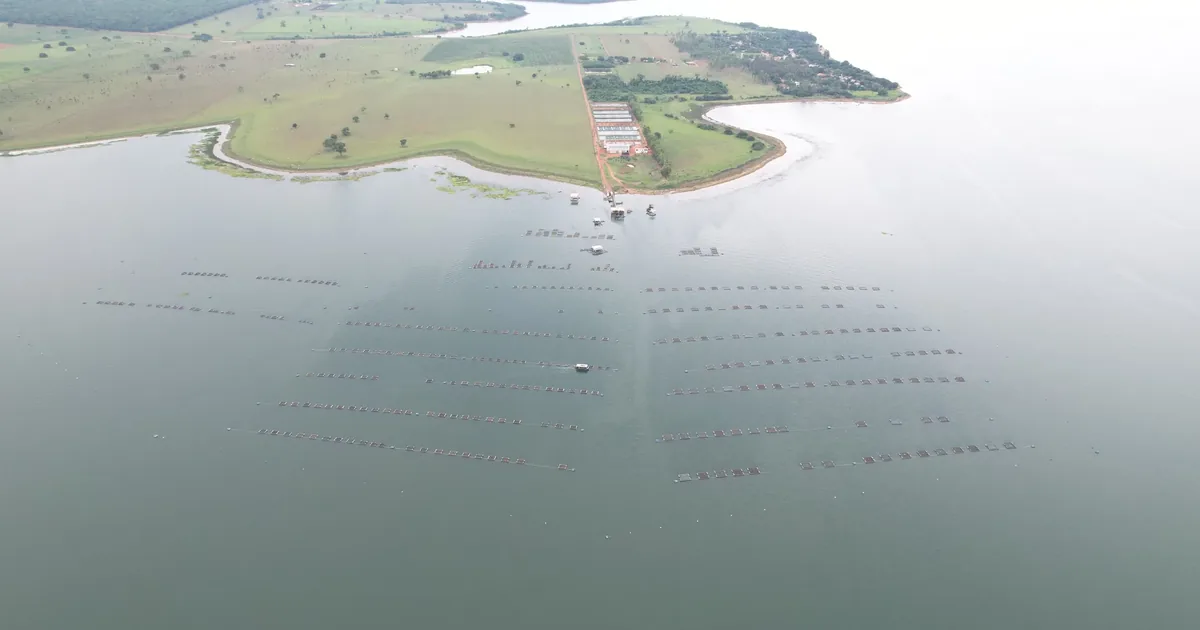
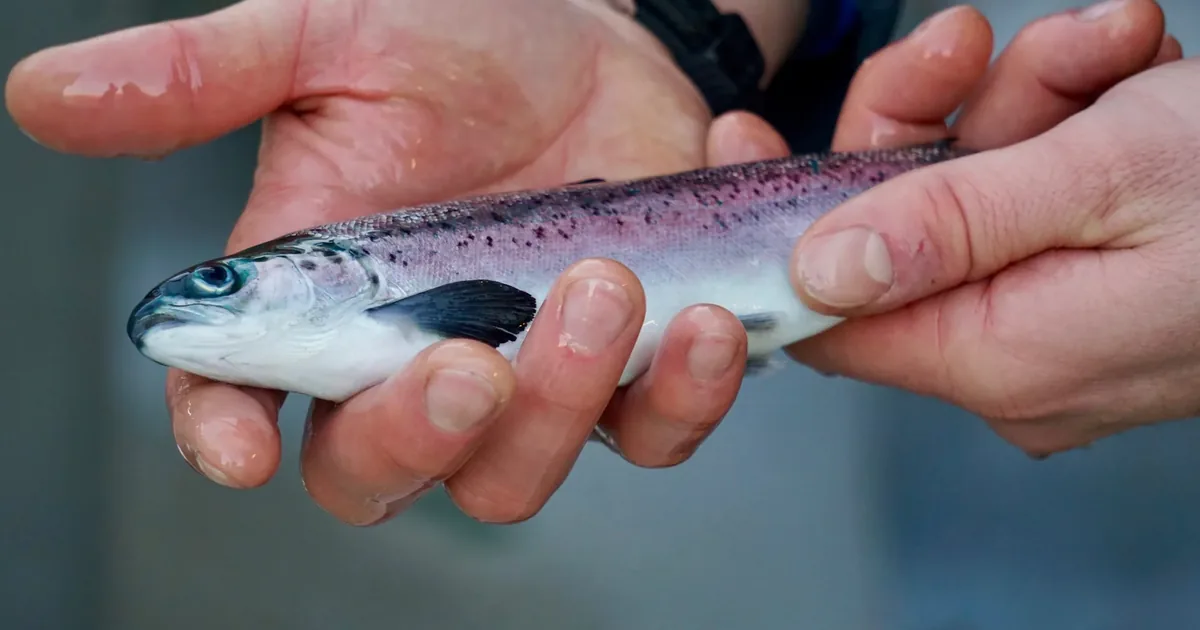
Brazilian Fish, a leading tilapia producer, has announced a pioneering move into genomic technology, leveraging genome editing to accelerate genetic improvements in farmed tilapia.
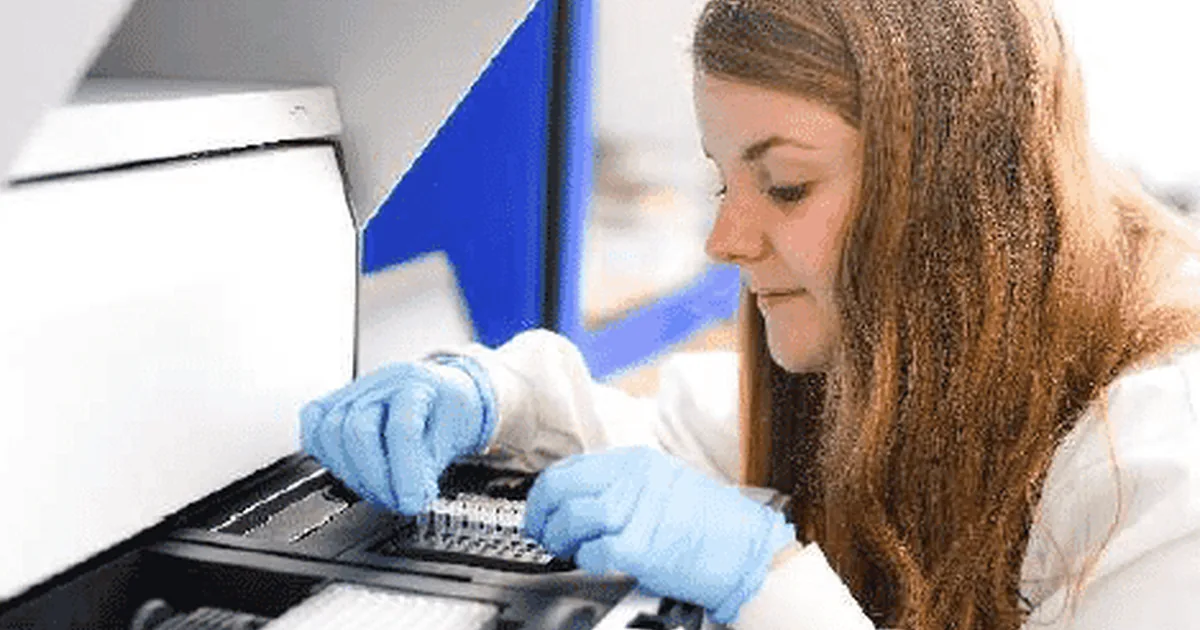
A pioneering initiative that aims to improve the health of farmed fish by using cutting-edge technology to detect all pathogens in a given sample has been awarded £471,000 by Innovate UK.
Producing sterile animals brings a wide range of advantages over producing fertile ones and genome editing is currently the most promising technique for ensuring that sterilisation is both feasible…
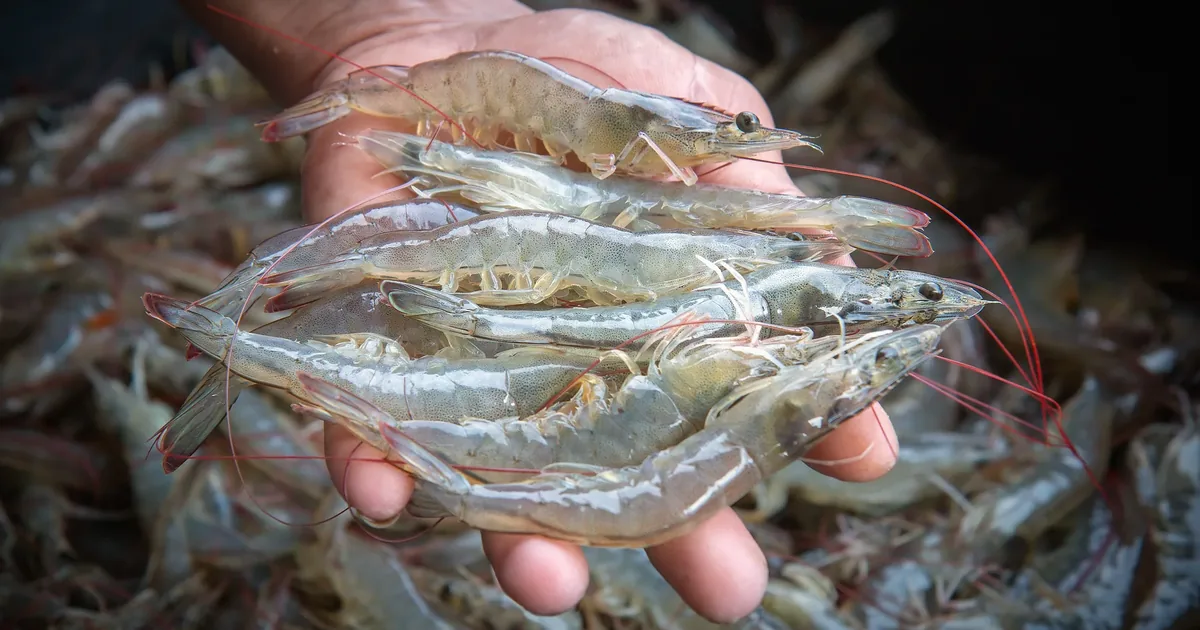
Genomic selection can be used to improve shrimp resistance to co-infection of Enterocytozoon hepatopenaei (EHP) and white faeces syndrome (WFS), according to the results of a new study.
Researchers from the University of Stirling’s Institute of Aquaculture have contributed to a study that could lead to improved resistance to sea lice in Atlantic salmon, a major challenge in…
Researchers from the University of Glasgow have been granted £3 million in funding across four projects which focus on overcoming current challenges faced by the aquaculture sector.
Genome edited fish are already being grown by commercial aquaculture operators in Japan, and the technology has huge potential to enhance the sector’s environmental stewardship, productivity and…
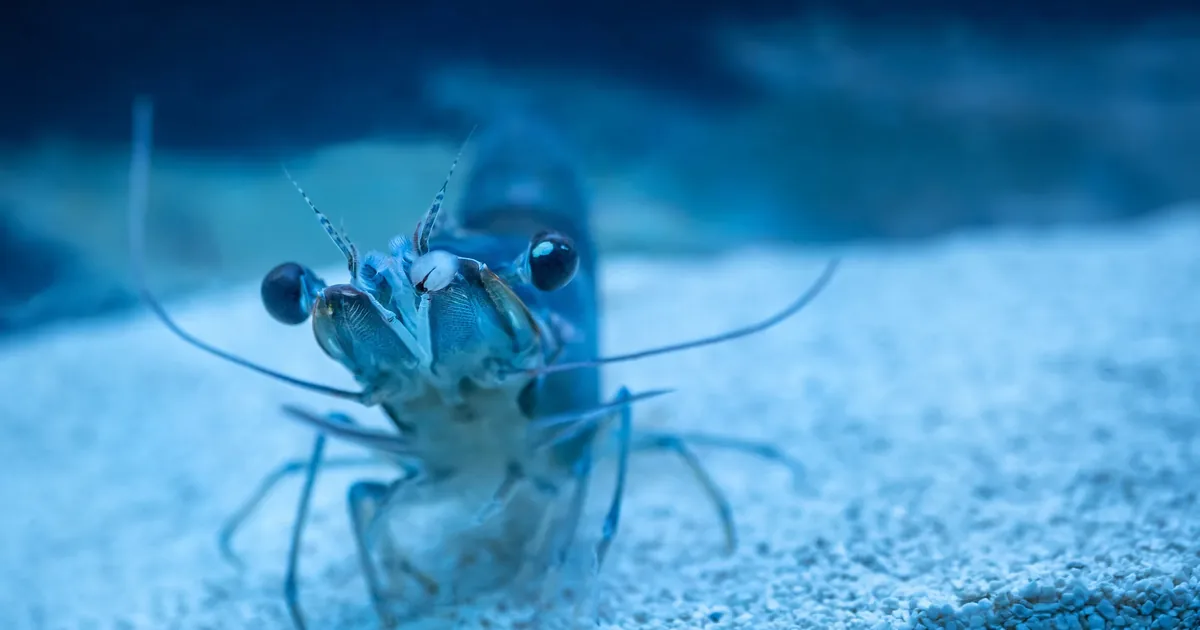
Investing in the right genetics tools and strategies can help shrimp farming companies succeed, despite the current economic challenges, according to The Center for Aquatic Technologies (CAT).
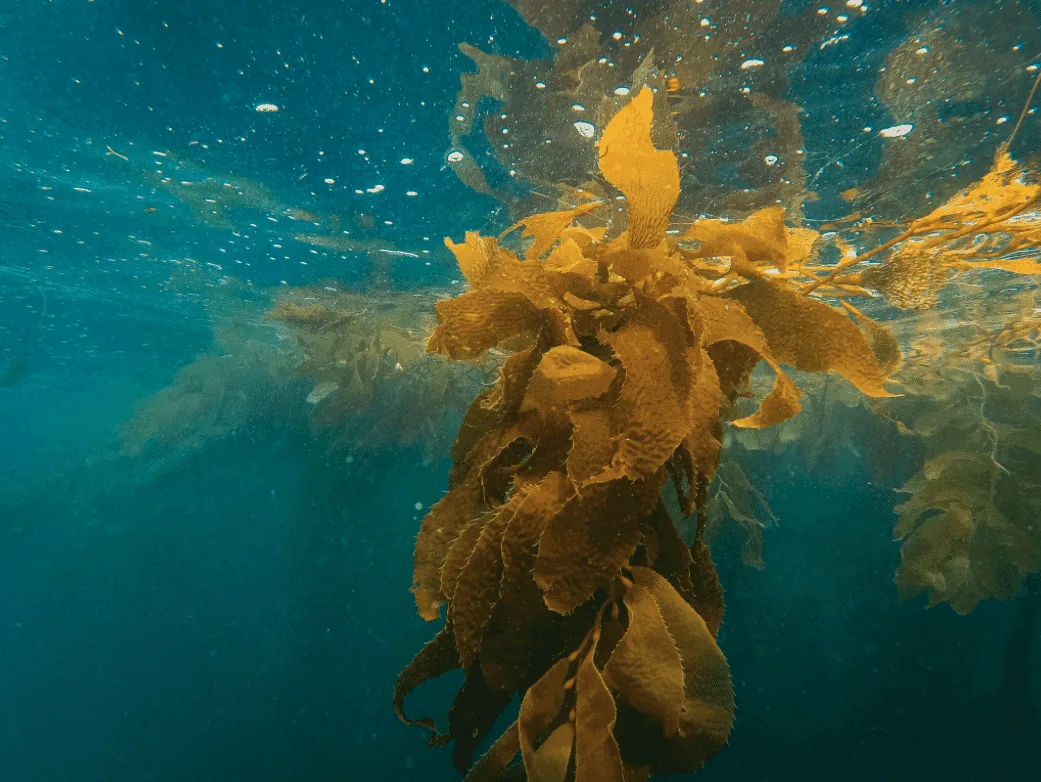
A new research project is aiming to understand how kelp contributes to carbon sequestration in our oceans through tracking free-floating DNA found within the environment.
Atlantic Aqua Farms, North America’s largest blue mussel grower, will co-lead a $3.4 million research project to develop Canada’s first-ever genomics-based breeding programme for triploid blue…
A recent collaborative effort has developed CRISPR-Cas3 gene editing technology for use in aquaculture whilst ensuring it maintains greater safety and unhindered legal access compared to its cousin…
Access to a growing array of recent and emerging technologies offers hope for breeding shrimp which are either faster growing or more resistant to specific diseases, but the performance of improved…
Candidate genes that could help fish to tolerate warmer and saltier water have been identified in new research from the Earlham Institute, potentially providing a vital resource to guide breeding…
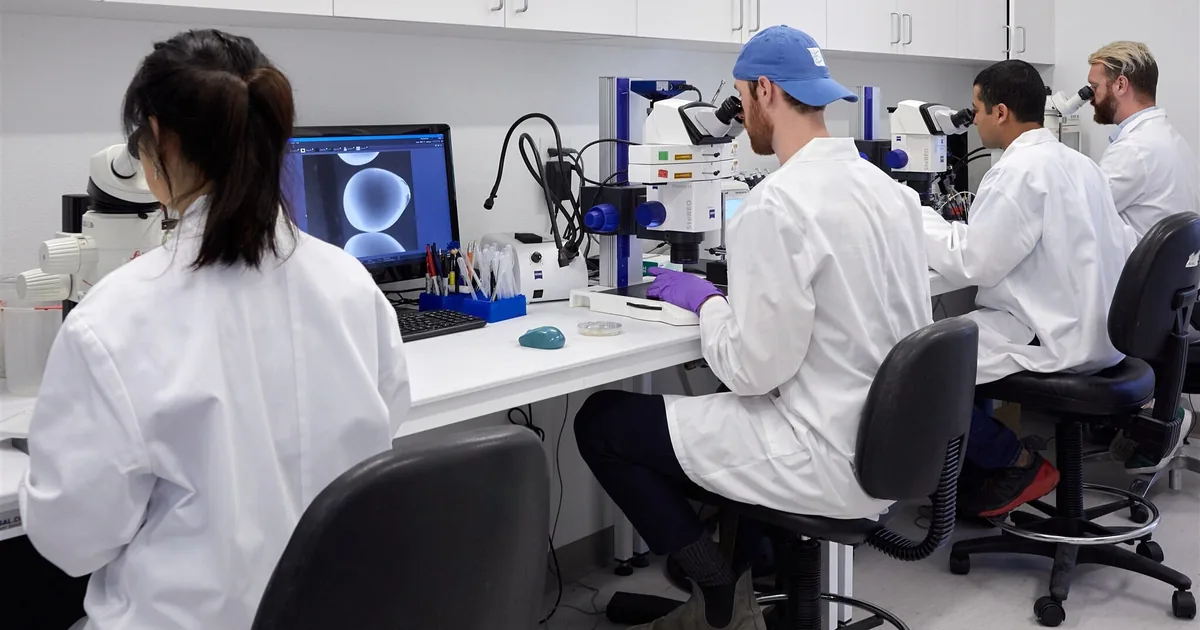
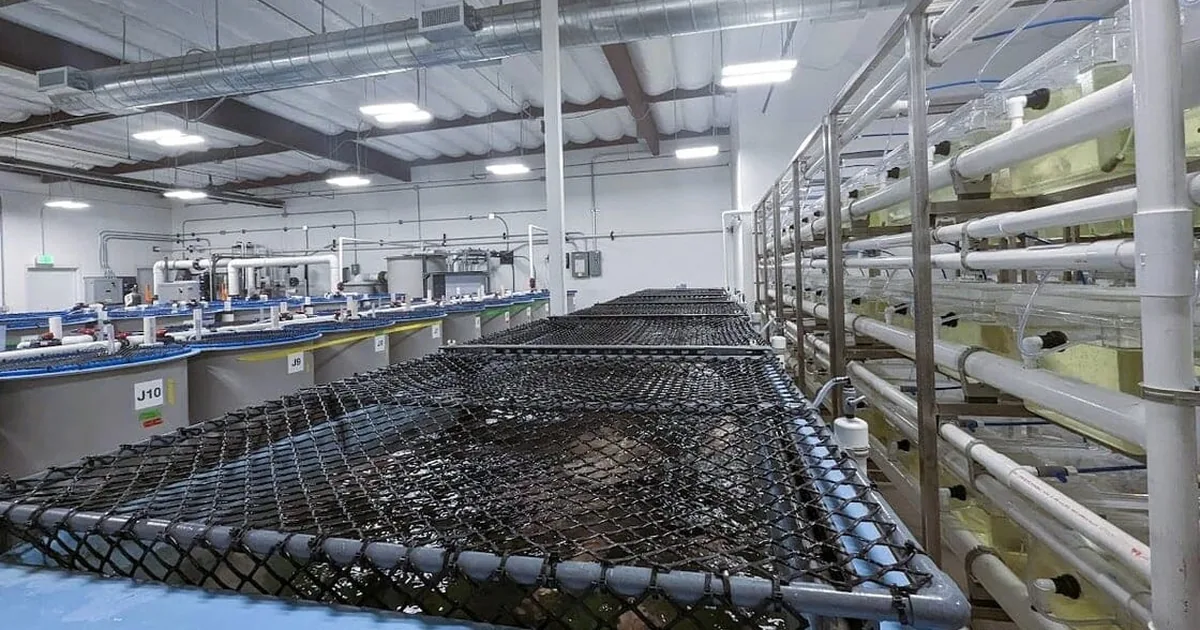
A new research space dedicated to genome editing technologies for commercial aquaculture applications has been opened by the Center for Aquaculture Technologies (CAT).
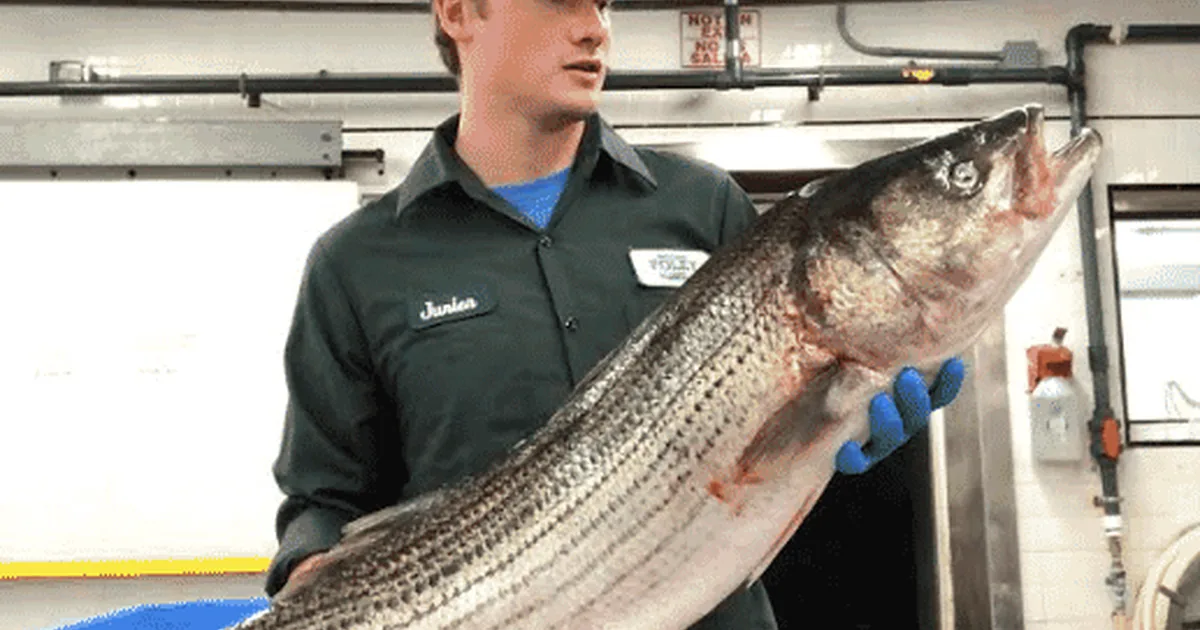
Gene-editing tools such as CRISPR have huge potential to improve the sustainability and profitability of the aquaculture industry, according to James Sibley – an undergrad with ambitions to be a star…
Scientists have published the first full, high-quality reference genome for a strain of genetically improved farmed tilapia (GIFT), giving fish farmers an additional tool to improve food security for…
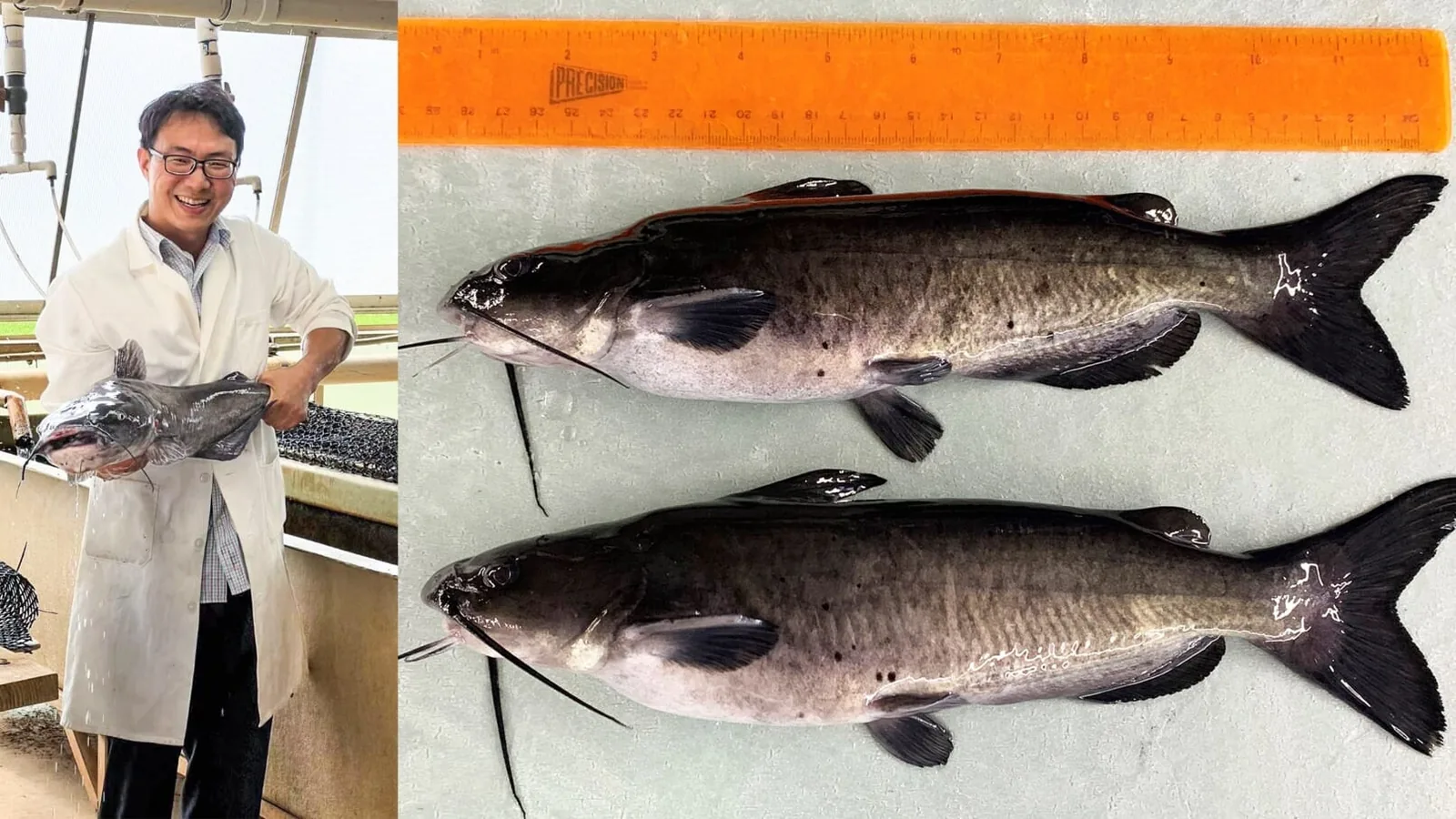
US aquaculture’s first forays into gene-edited catfish have produced fish that appear to be more resistance to disease – but the tech could face a long road before achieving regulatory approval.
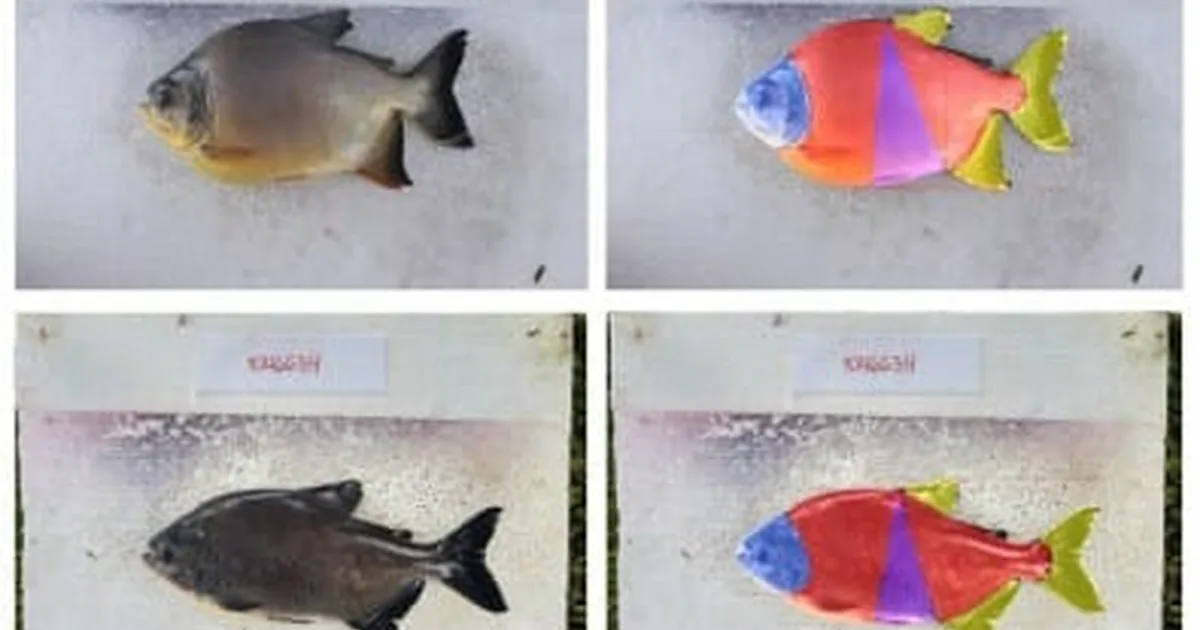
Brazilian researchers have developed new software that allows breeders of pacus (Piaractus mesopotamicus) to more easily select individuals that are likely to produce offspring with desirable traits…
The US Food and Drug Administration (FDA) is putting AquaBounty’s AquAdvantage salmon through an additional environmental assessment (EA) following a lawsuit from multiple organisations that resulted…
We use cookies to improve your experience, analyse site traffic and understand where our audience comes from. Accept all cookies, or continue with only those essential to running the site. See our Privacy & cookie policy.