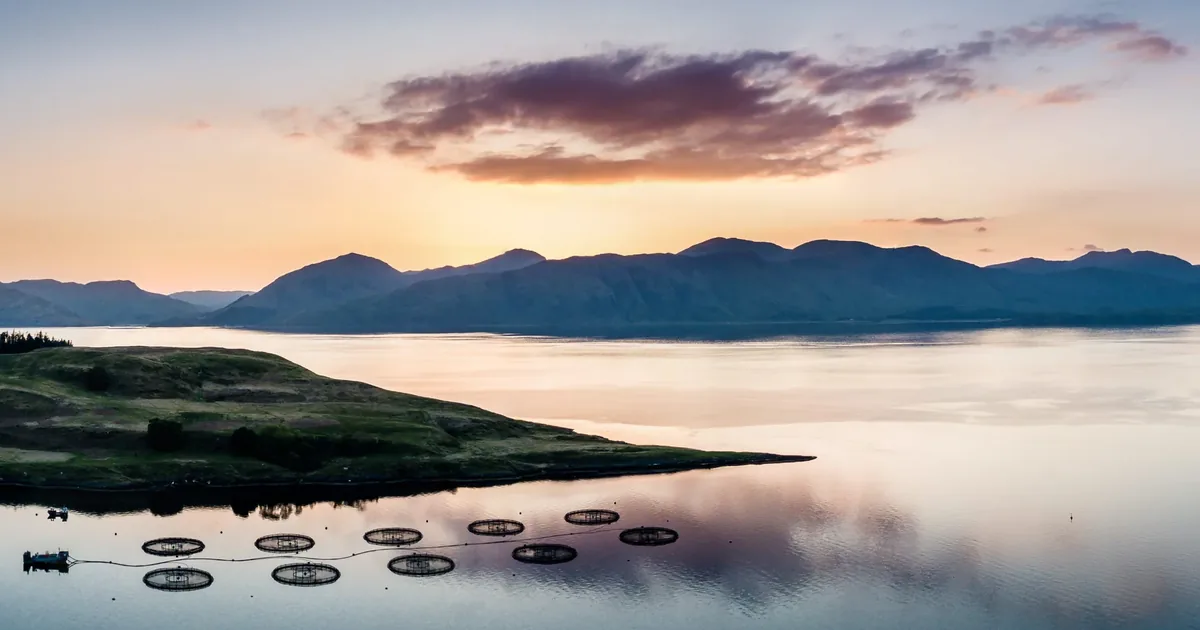
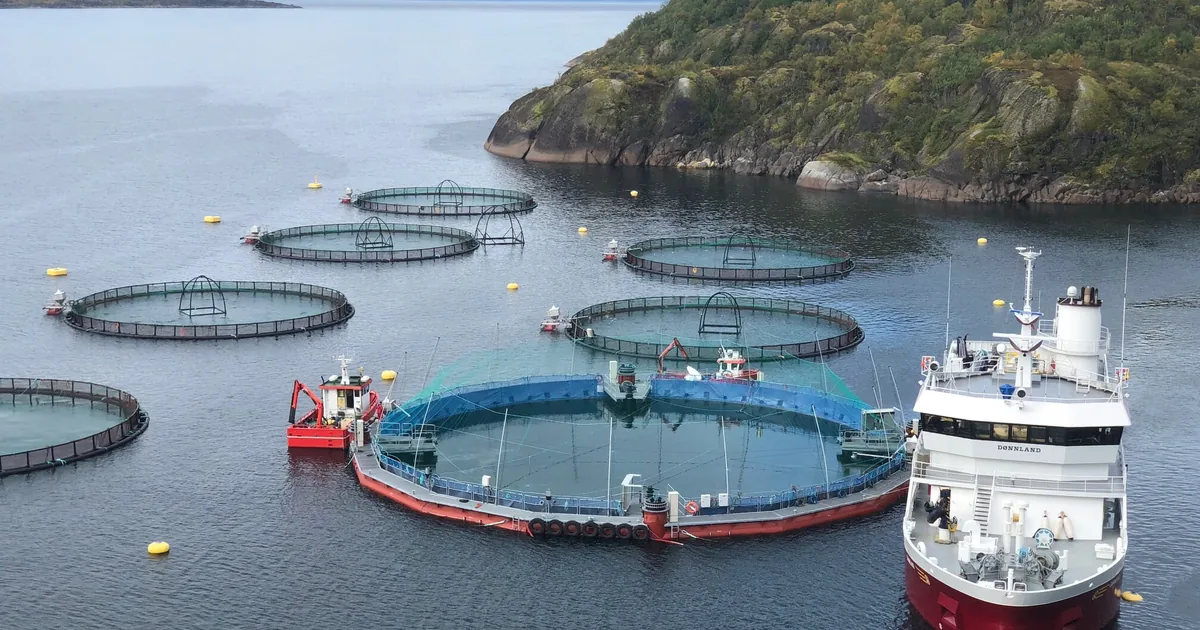
Aquaculture technology provider WellFish Tech has completed a significantly oversubscribed interim financing round, reflecting investor confidence in its commercial development and technology…
The Prawn Farmers Federation of India (PFFI) has established the Shrimp Health Foundation, a dedicated Section 8 not-for-profit entity designed to provide long-term institutional support for…
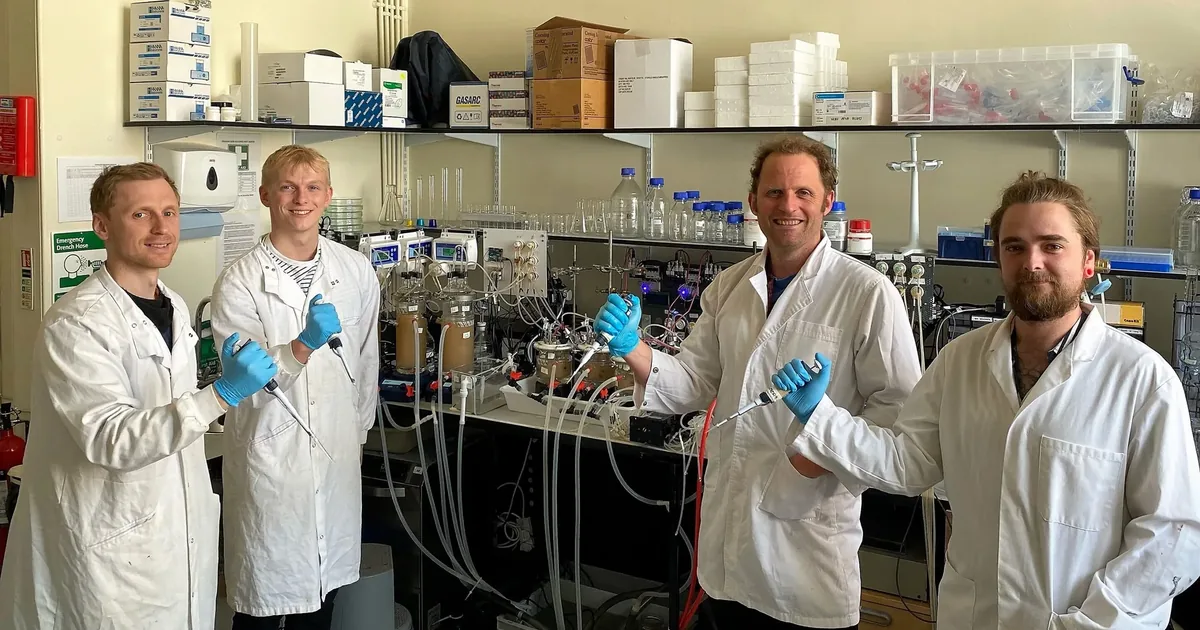
A new research collaboration has been launched to tackle the high mortality rates of larvae in United Kingdom shellfish hatcheries by developing sophisticated alternatives to antibiotics.
Changing pond management and feeding strategies are the best way to limit shrimp disease – with those farmers who focus on reducing stress and improving pond health the ones who are consistently…
Onda, the largest aquatic containment facility in aquaculture research, has announced the launch of two new disease study models for Tenacibaculum dicentrarchi and Tenacibaculum finnmarkense, which…
An exclusive interview with Luis Fernando Aranguren, animal health manager at Grupo Almar – one of the largest shrimp producers in the world – is now available to view on YouTube.
Bacteriophages are poised to revolutionise aquaculture by significantly reducing mortality rates and antibiotic use, according to Dr Aristobulo Loaiza, CEO of Hedros Bio.
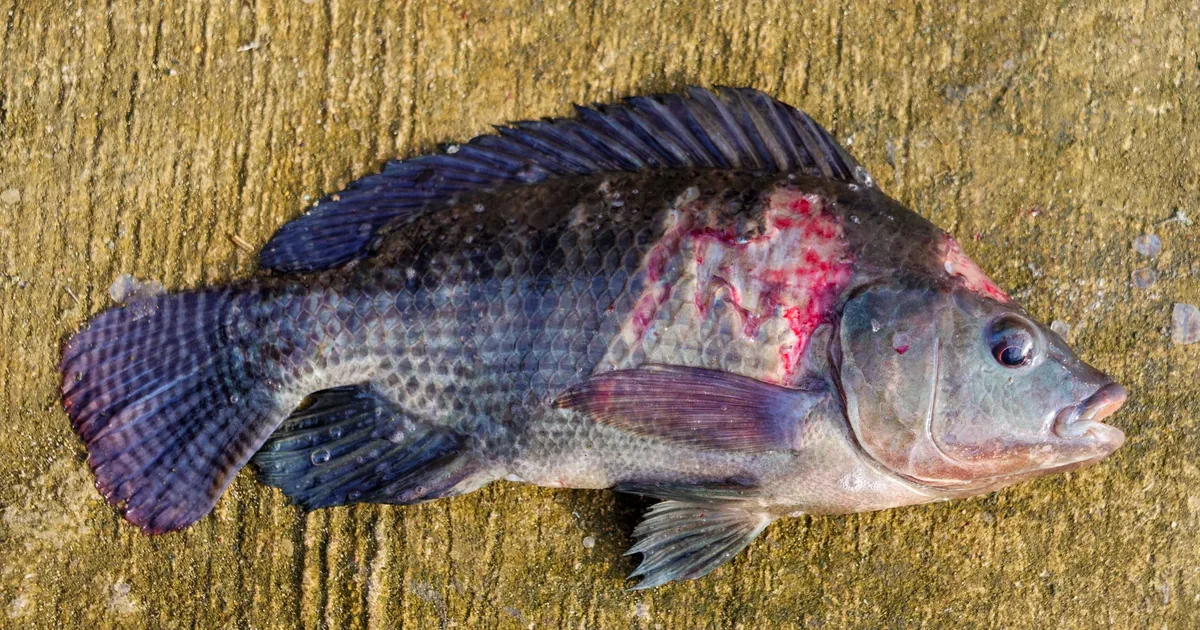
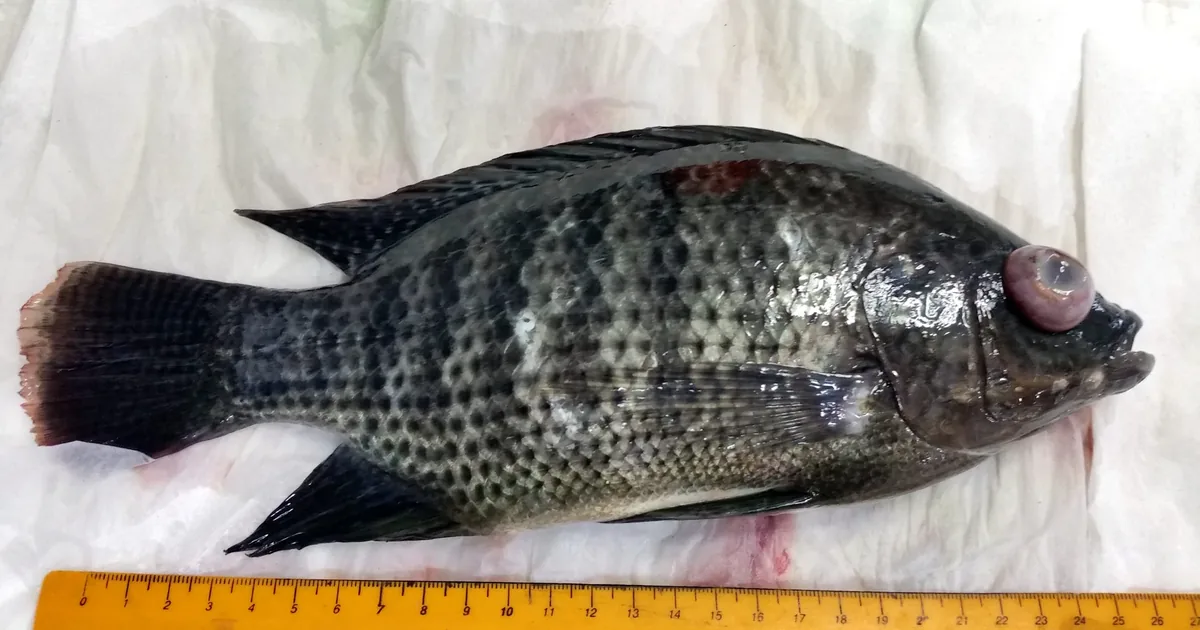
A look at how breeding programmes could help to reduce the impact of the deadly diseases that have been increasingly affecting farmed tilapia around the world.
New research from the University of Glasgow, in collaboration with the University of Sydney, shows how genes associated with antibiotic resistance can spread and persist in the gut of farmed Atlantic…
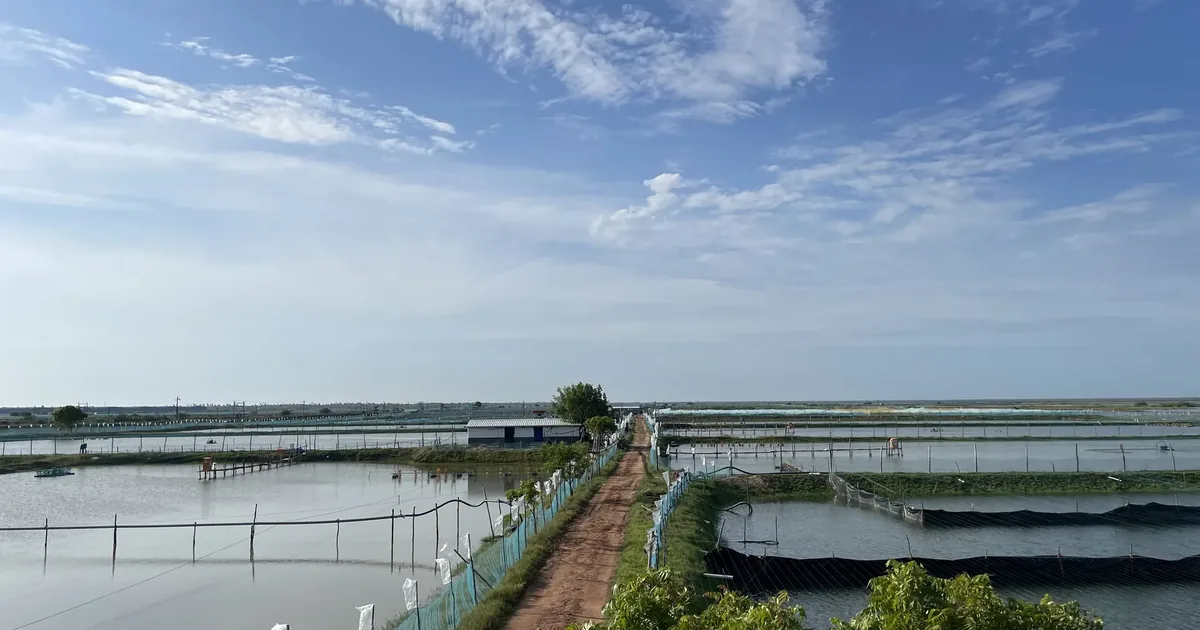
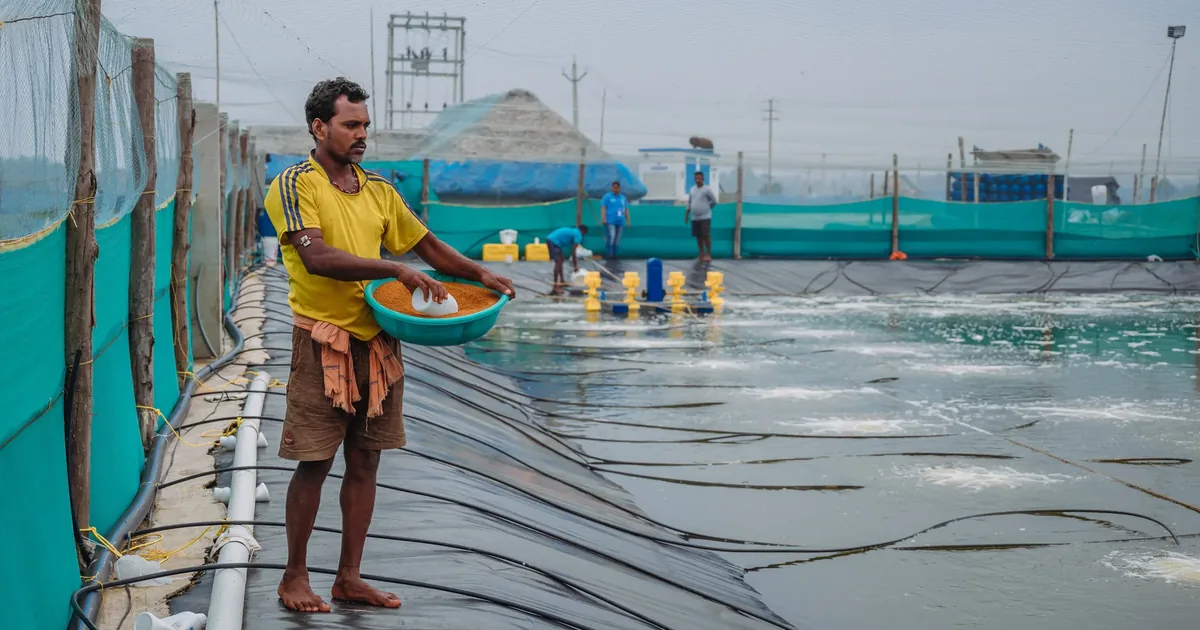
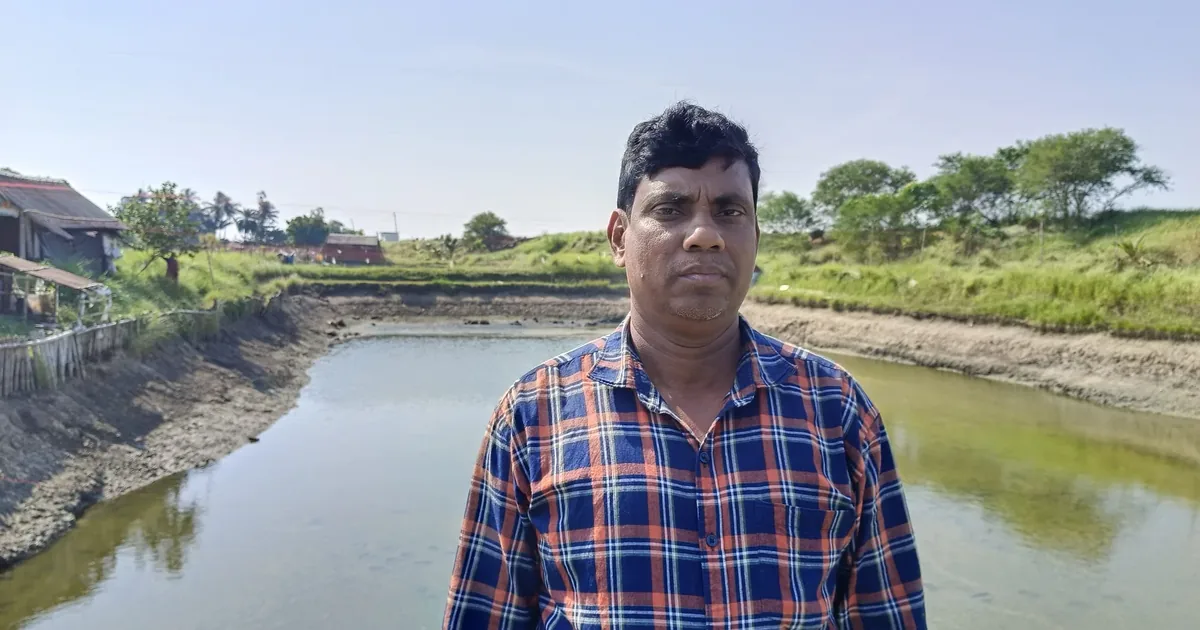
Shrimp farming provides many livelihoods in Sundarbans, a region of river deltas in eastern India, but natural disasters, diseases and low prices are taking their toll.
Robins McIntosh reflects on a year that’s seen continued challenges for shrimp exporters, an increase in bacterial diseases… and the experience of being caught up in a student uprising that overthrew…
Genomic selection can be used to improve shrimp resistance to co-infection of Enterocytozoon hepatopenaei (EHP) and white faeces syndrome (WFS), according to the results of a new study.
Scientists at the University of Stirling have landed more than £770,000 to support the deployment of a new vaccine to tackle antimicrobial resistance within the catfish aquaculture sector.
A new study suggests that an enzyme sourced from bacterial fermentation and a humic substance extracted from peat moss can both help to improve the health of farmed catfish, offering hope of an…
This review details recent findings relating to EHP infection in shrimp farms, including how it affects shrimp immunology, digestion, metabolism, physiology and growth.
Peptobiotics - a startup aiming to replace the commercial use of antibiotics in aquaculture with antimicrobial peptide technology - has raised $6.2 million as part of its series A funding round.
A new project aims to develop a two-step genomic process to identify sources of marine faecal contamination, safeguarding public health and the British Columbian shellfish industry.
After leading a management buyout of Spring Genetics from Benchmark, Hideyoshi Segovia Uno is working hard to help ensure the international tilapia sector – particularly in Latin America (LATAM) –…
Streptococcus agalactiae and S. iniae are two of the most devastating bacteria to impact the warm freshwater fish farming sector around the world – causing diseases that can lead to 80 percent…
Chilean biotech startup Aquit is developing a preventative treatment against infections in fish that boosts natural immunity, improves survival rates and replaces the need for antibiotics, according…
Shrimp farmers in Indonesia are increasingly turning to UV treatment as an alternative to chemical options for significantly reducing the presence of Vibrio in their ponds.
While the slow intensification of shrimp farming appears to be working in Latin America, Ecuadorian producers should be wary of the Asian example, where even heavy investments in new technologies…
Libyan-based Dr Jamila Rizgalla, head of the Department of Aquaculture at the University of Tripoli, talks about her journey into the aquaculture sector and how she is working to progress aquaculture…
The last 12 months have proved testing for Malaysia’s shrimp and crab farmers, with a number of new entrants going out of business, but a pivot towards the live market has provided a lifeline for Yit…
Nitrite is both toxic and inevitably present in all closed aquaculture systems, so it’s essential for farmers to understand where it comes from and how it can be managed.
Next generation sequencing technologies and metagenomics are proving their worth among early aquaculture adopters – in particular RAS operators – according to Matthew Pope, founder and managing…
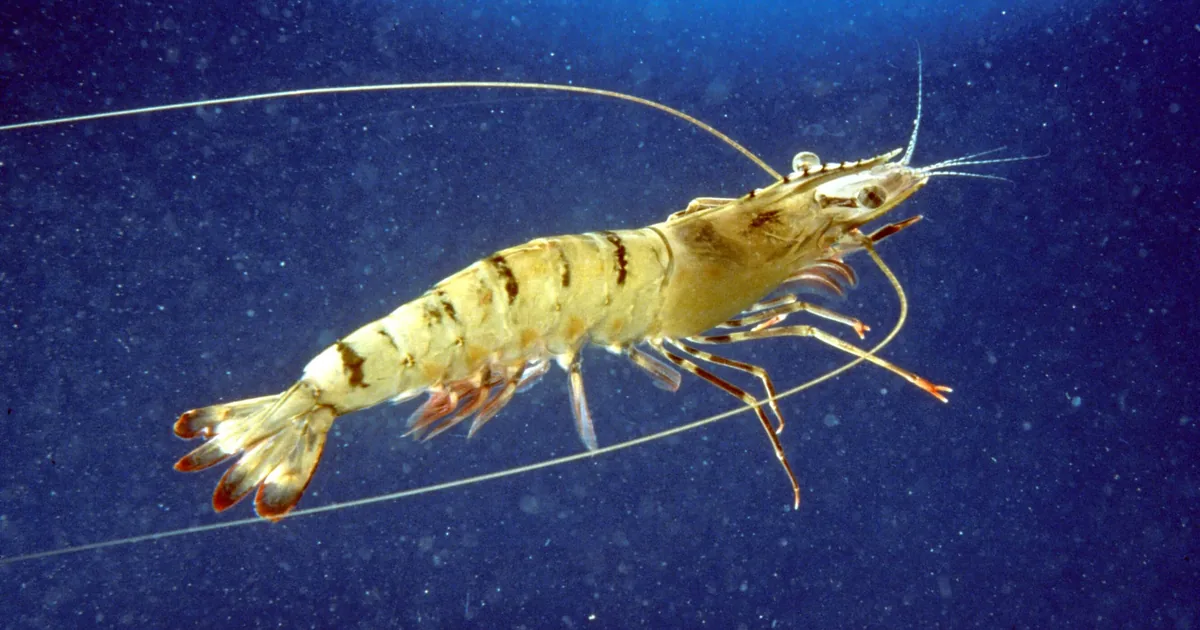
Although monodon production is now dwarfed by vannamei farming, the species is tipped to make a comeback, with many Asian farmers realising that it could be a lucrative low density alternative to…
The Seafood Business for Ocean Stewardship (SeaBOS) initiative, which consists of nine of the largest seafood-related companies in the world – including aquaculture/aquafeed businesses run by Cermaq,…
We use cookies to improve your experience, analyse site traffic and understand where our audience comes from. Accept all cookies, or continue with only those essential to running the site. See our Privacy & cookie policy.