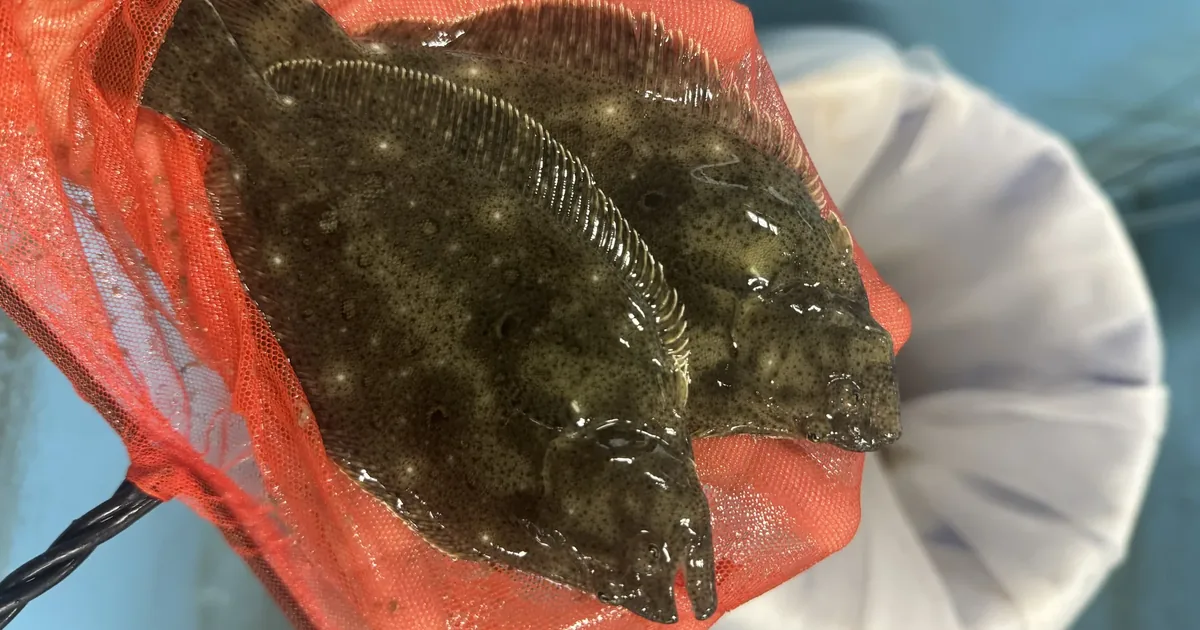
South Korea’s olive flounder farming sector may have failed to reach the dizzy heights predicted by industry experts 10 years ago, but there are signs that it could yet deliver on its previous…
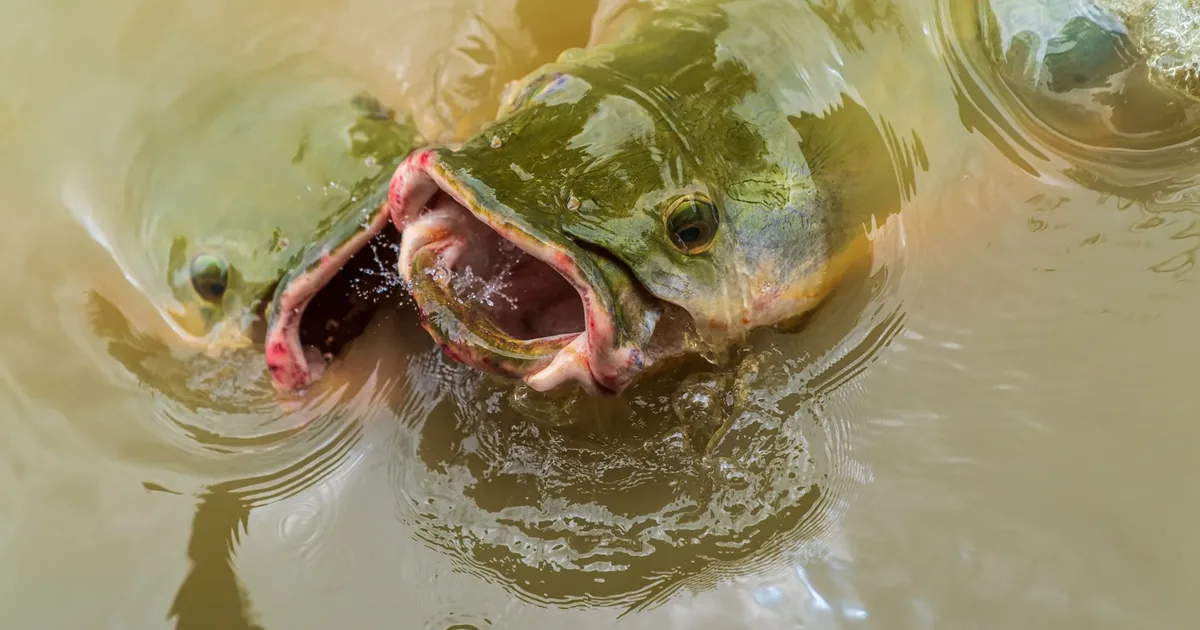
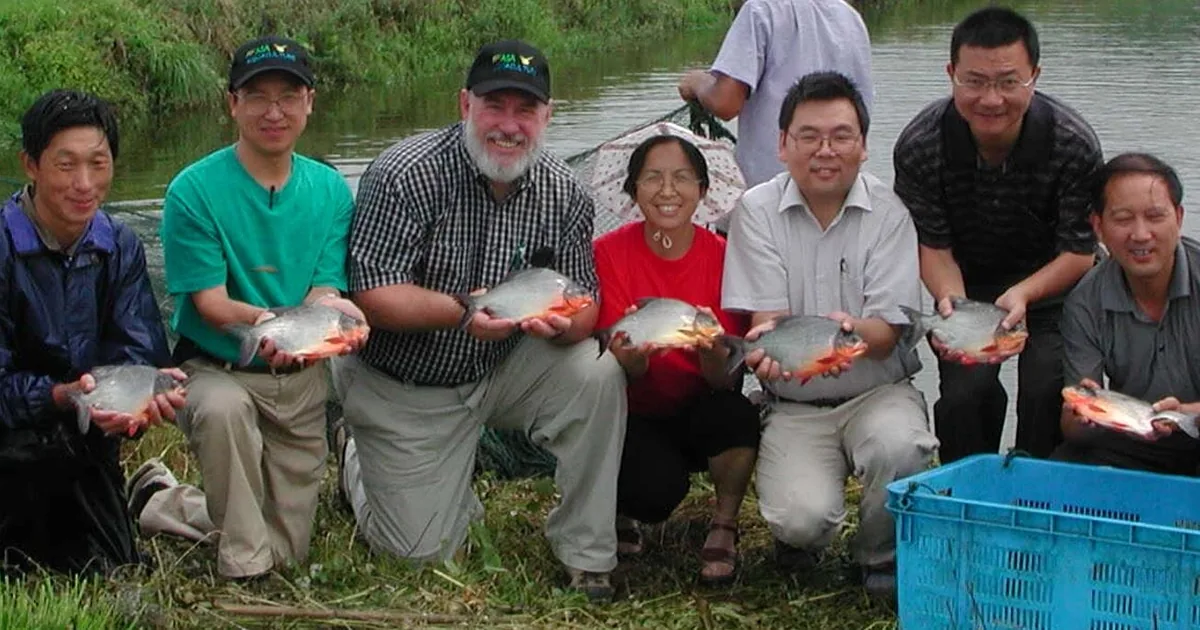
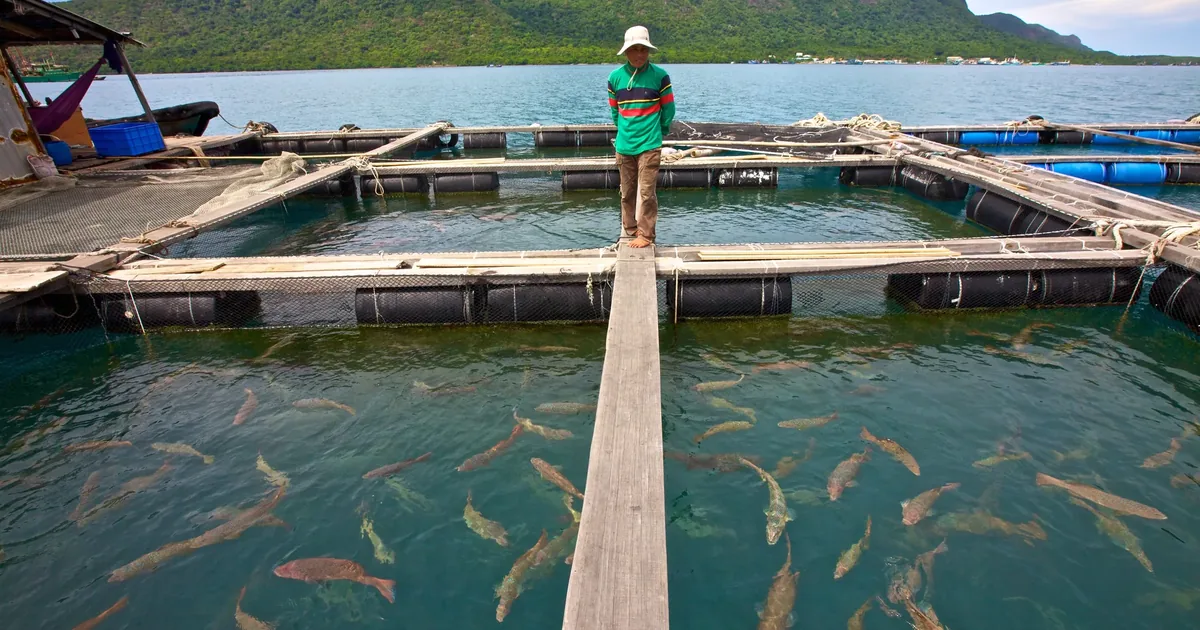
Arapaima have long been touted as a promising genus of fish for farming, but there are still some major research hurdles to be cleared before they can be produced efficiently enough to be…
A wave of new welfare-based seafood sourcing policies suggests strong consumer demand for improving conditions for farmed crustaceans, but a literature review suggests that the sentience of decapod…
A look at some of the emerging technologies that hold promise for saving endangered fish species, as well as the potential to accelerate genetic improvements in aquaculture.
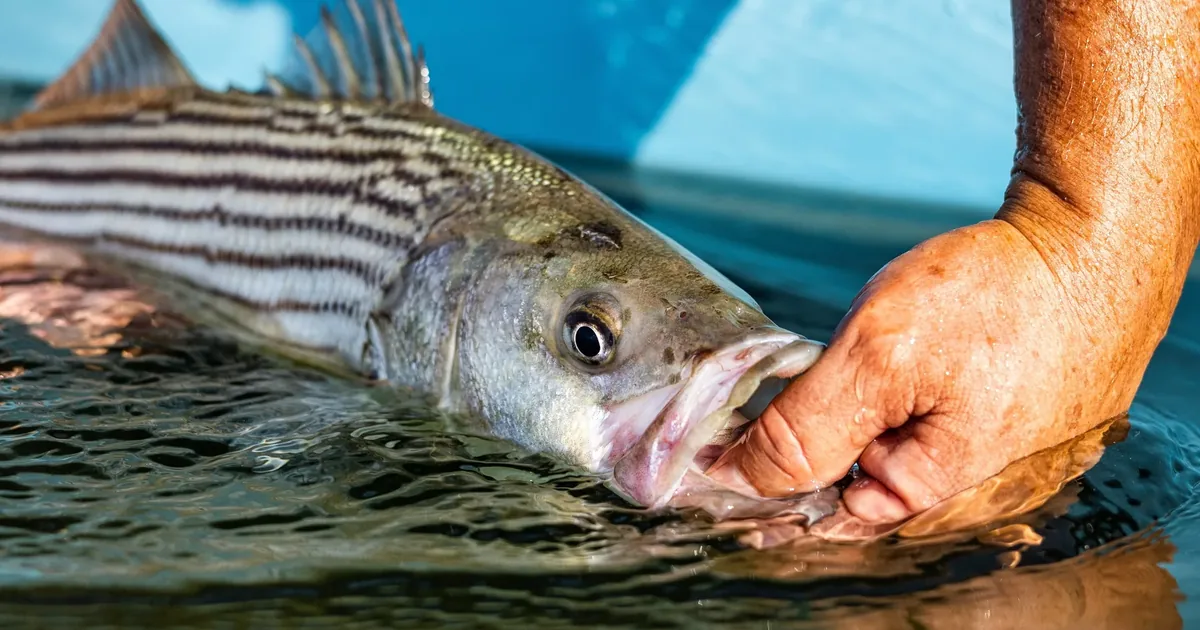
While hybrid striped bass have historically tended to outperform their pure-bred equivalents in aquaculture, recent breakthroughs suggest that the latter could now be in the ascendency in the US.
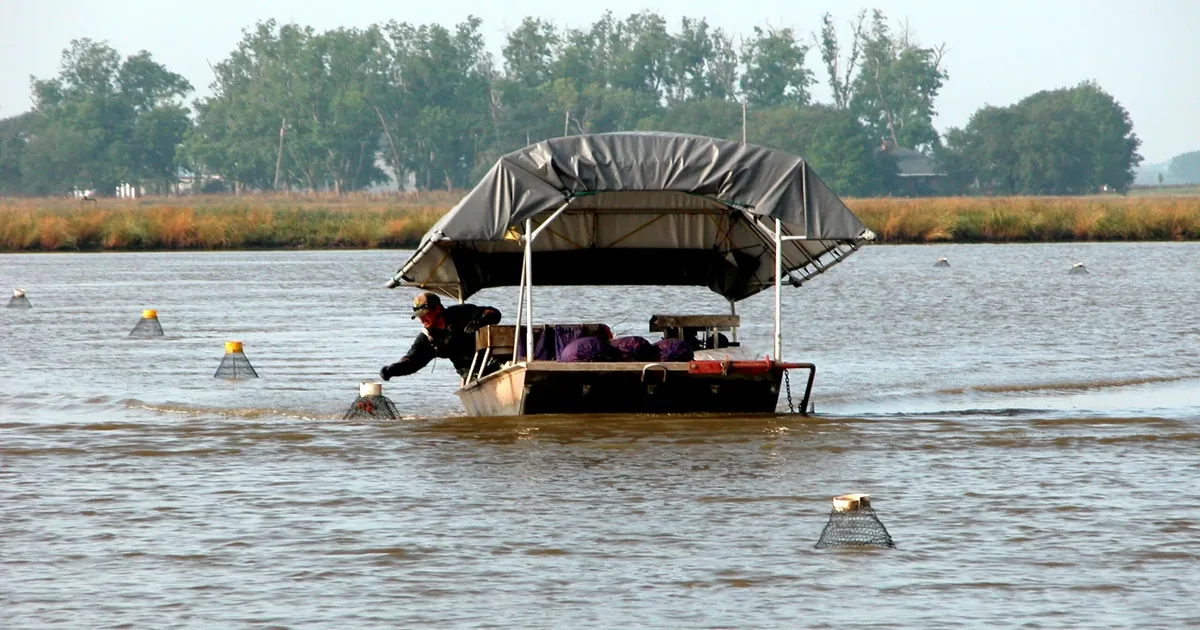
Crawfish farming is one of the most lucrative and sustainable forms of aquaculture in the US, but recent droughts in its southern heartlands are putting livelihoods at risk.
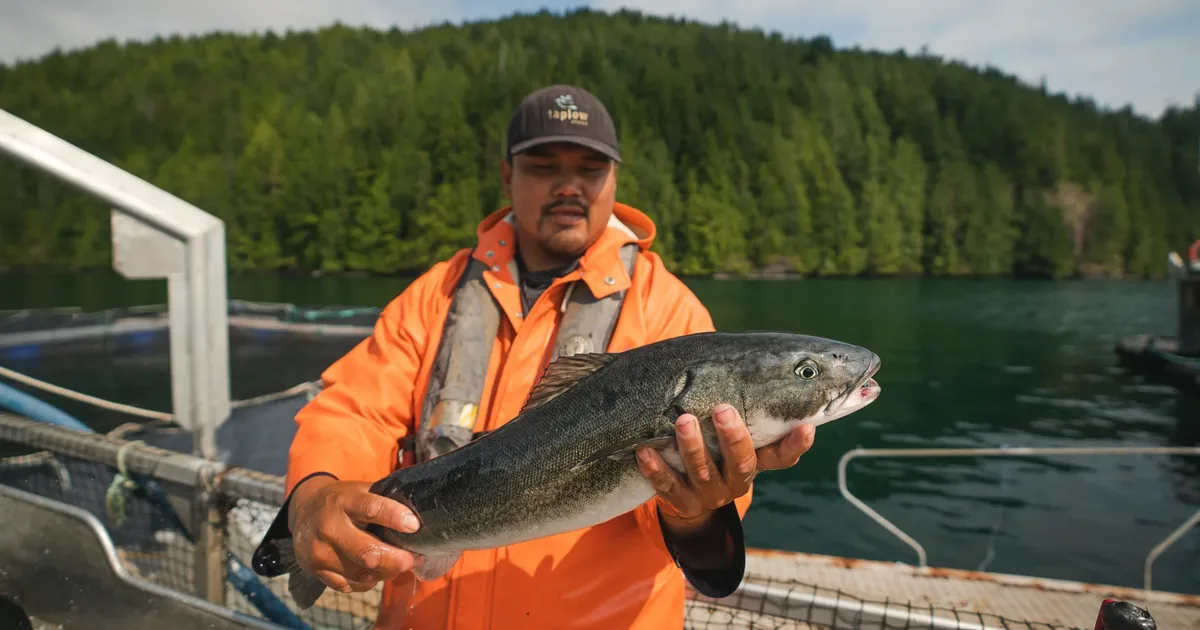
Given the decline of wild stocks and surging consumer demand, the case for farming sablefish has never been stronger. However, challenges – in particular relating to growth rates – have meant that…
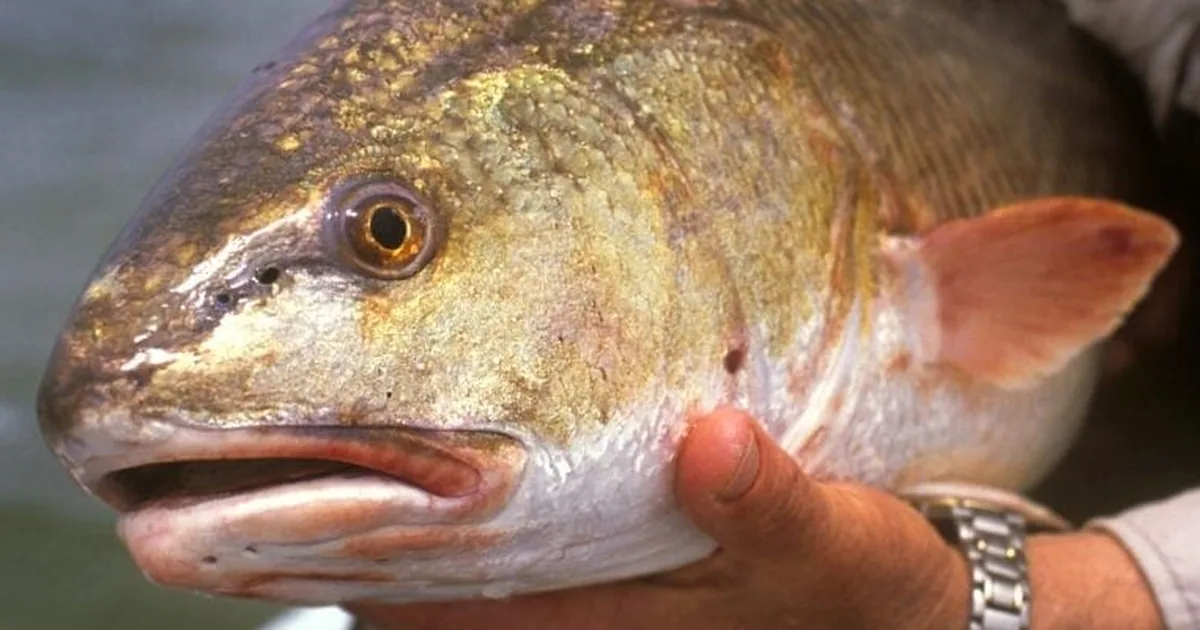
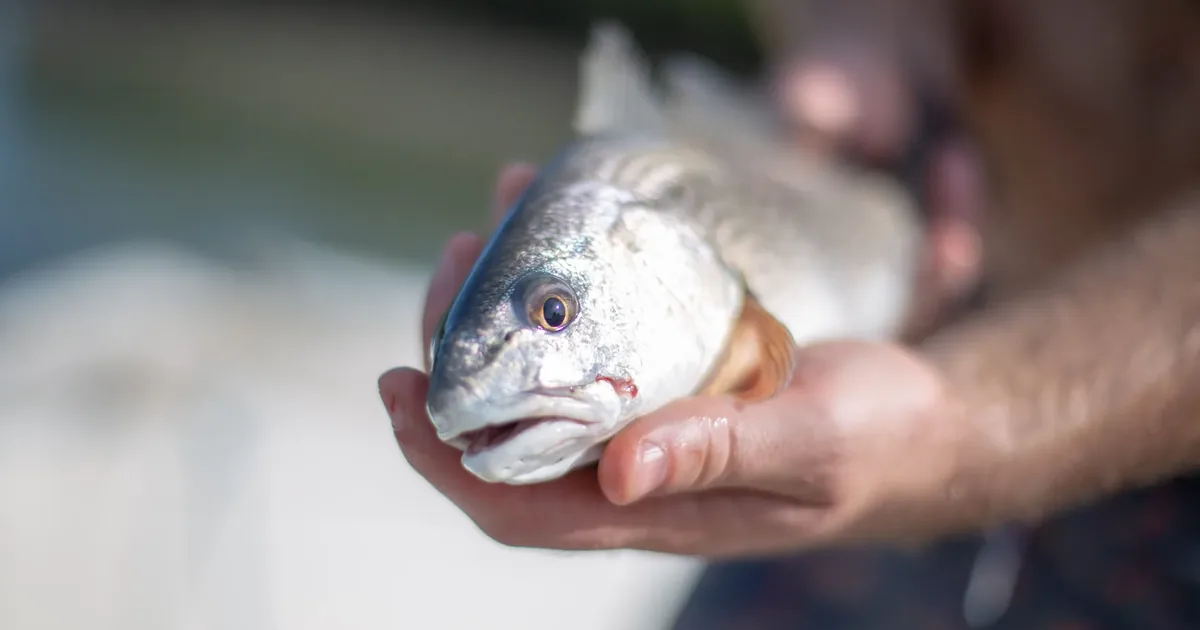
The approval of plans to establish the first commercial red drum RAS facility in the US could mark the beginning of a brave new world for a species that was once a seafood staple in the States, as…
Nitrite is both toxic and inevitably present in all closed aquaculture systems, so it’s essential for farmers to understand where it comes from and how it can be managed.
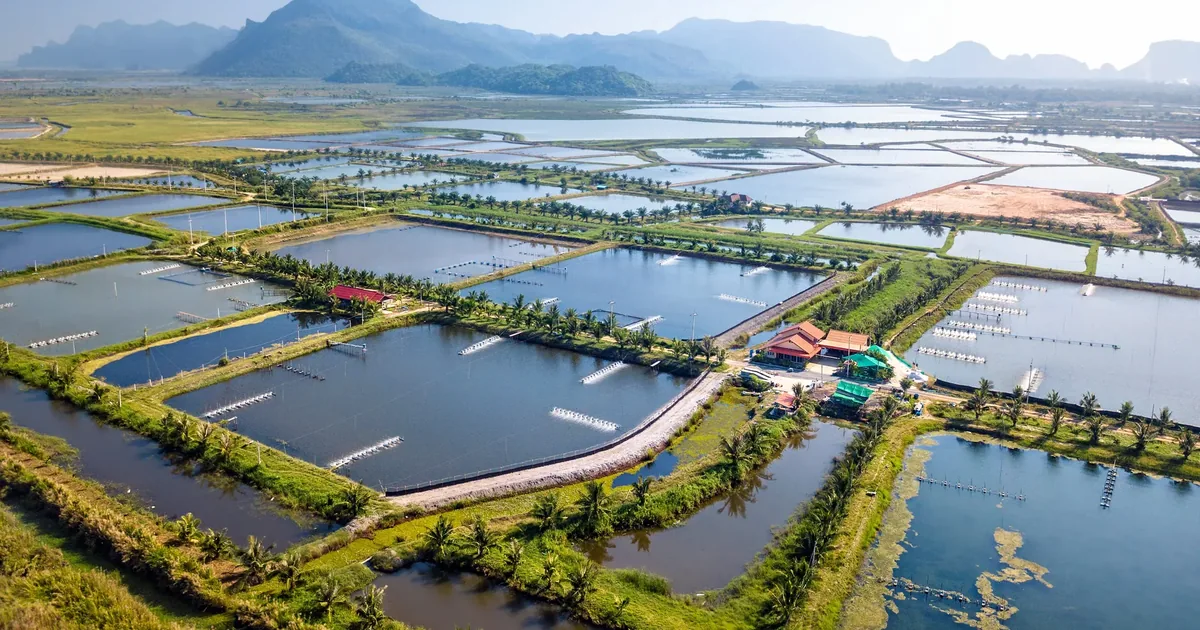
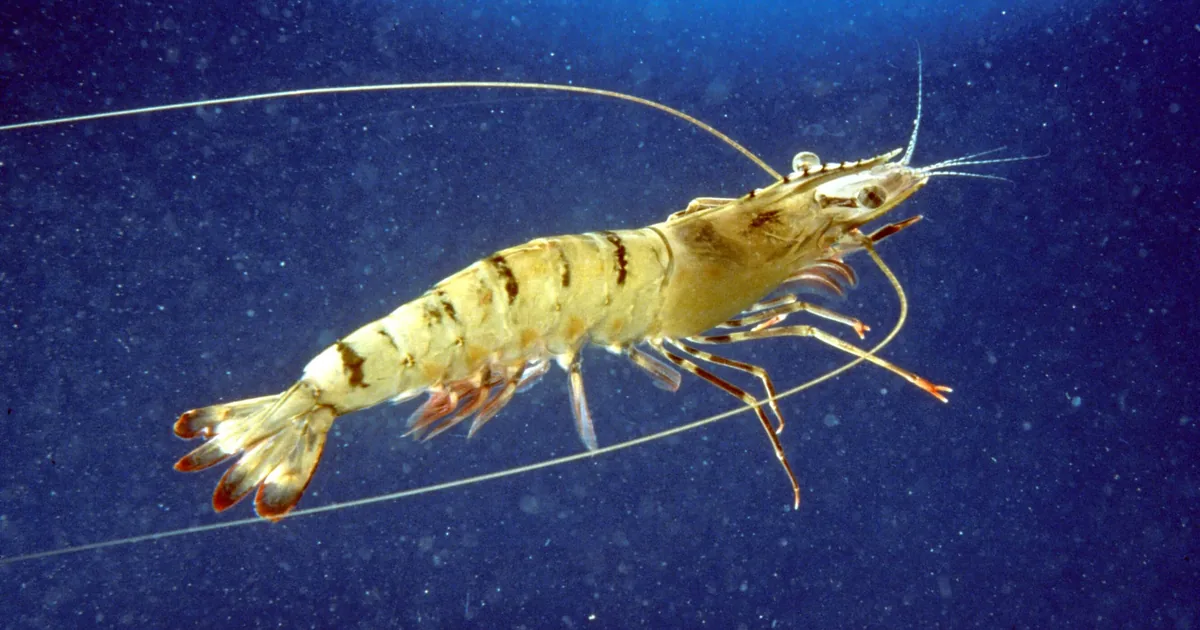
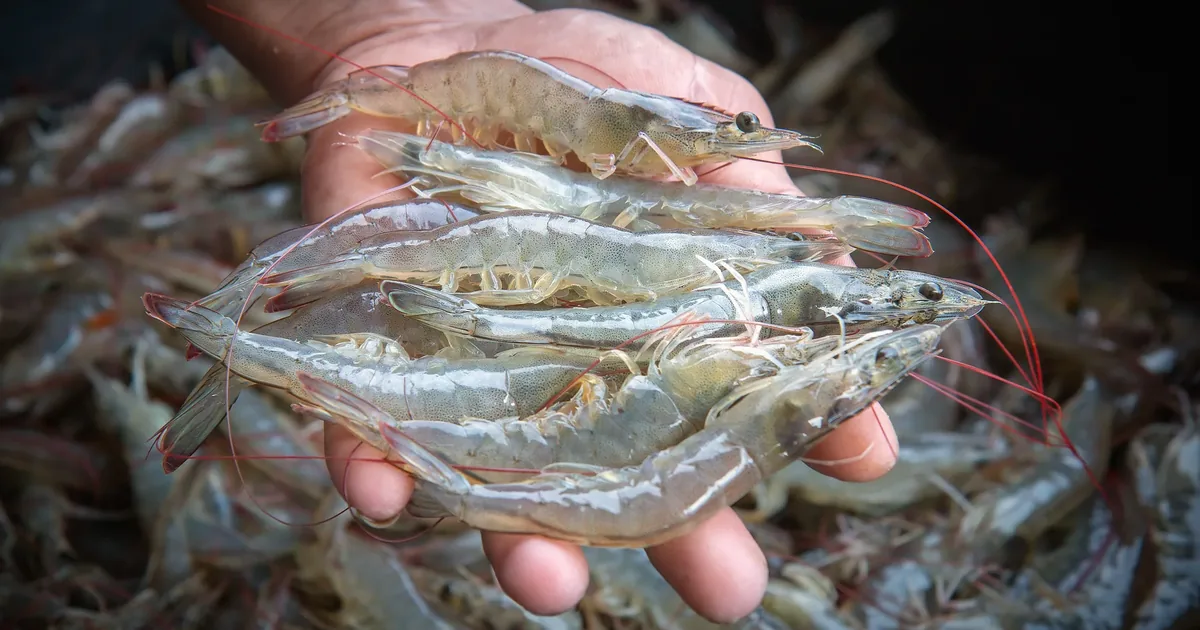
Although monodon production is now dwarfed by vannamei farming, the species is tipped to make a comeback, with many Asian farmers realising that it could be a lucrative low density alternative to…
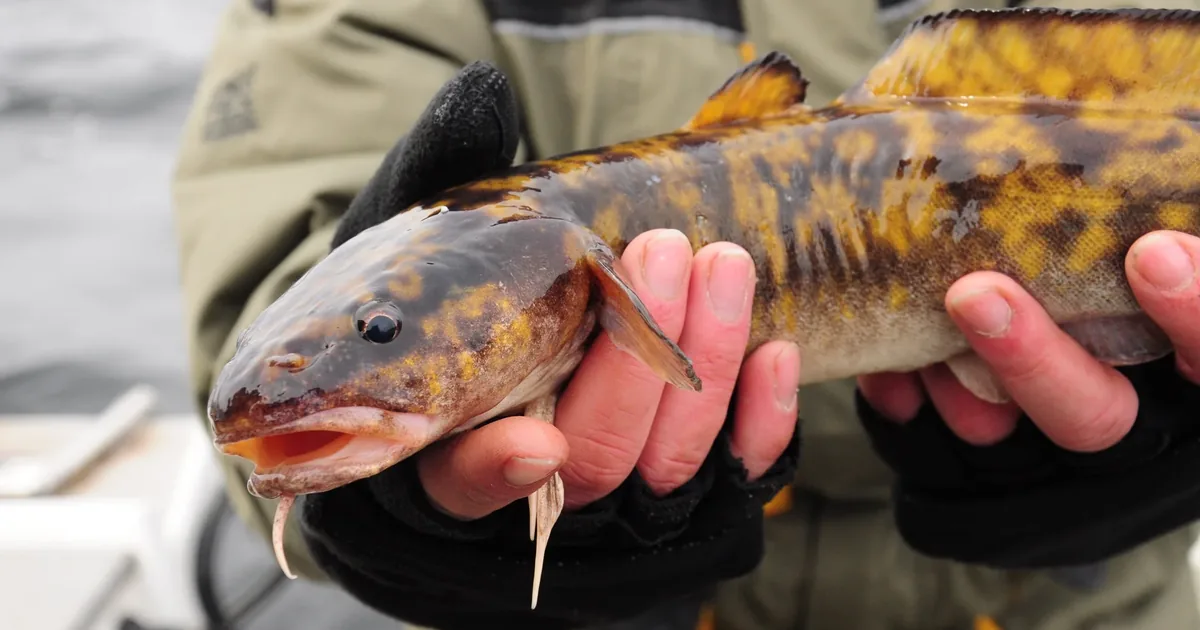
Attempts to farm burbot – a freshwater cod species that has long been valued for its excellent taste – have proved testing. However, a number of promising research breakthroughs could help a growing…
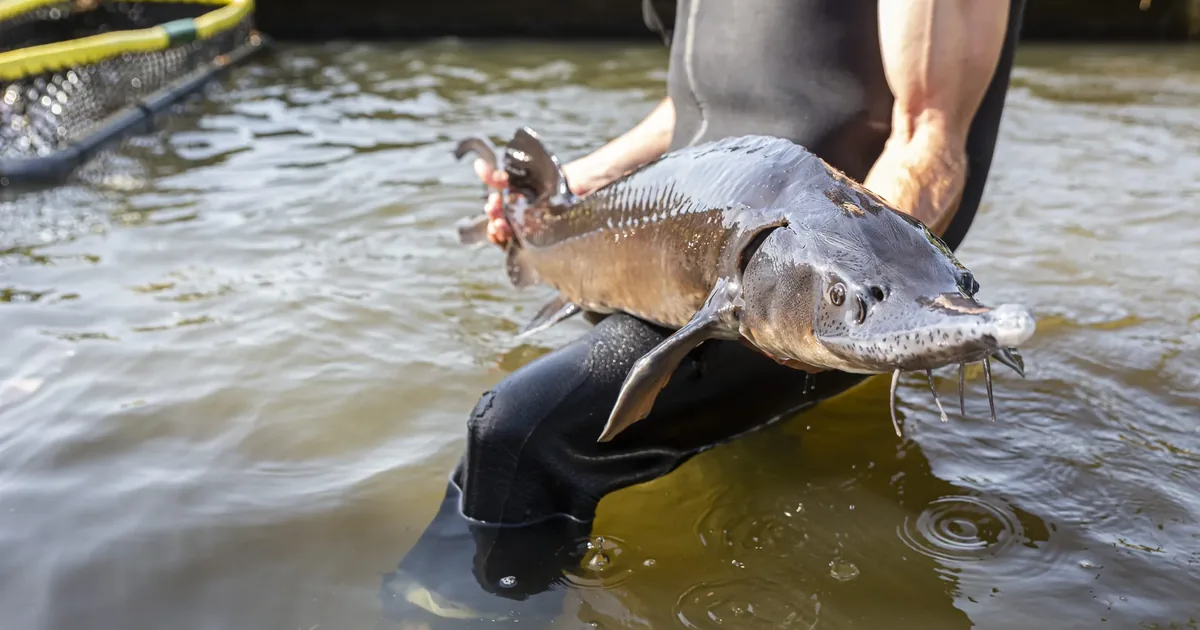
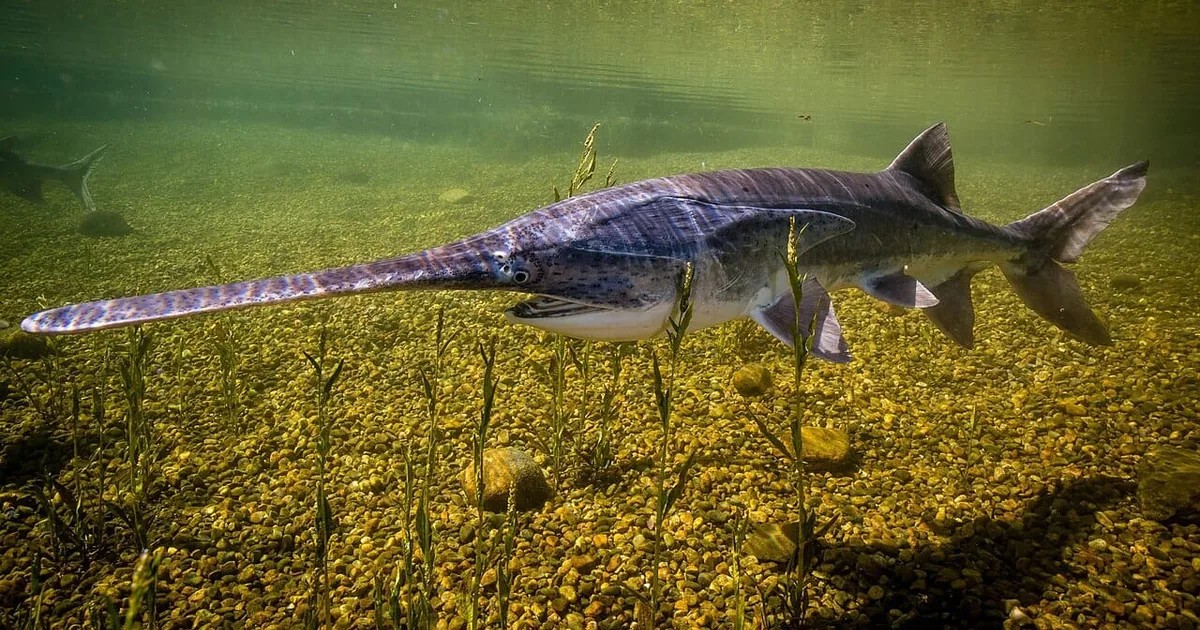
Although native to the US, the American paddlefish is now widely farmed across the world's temperate regions and – thanks to its highly regarded meat and roe – offers an exciting alternative to…
Access to a growing array of recent and emerging technologies offers hope for breeding shrimp which are either faster growing or more resistant to specific diseases, but the performance of improved…
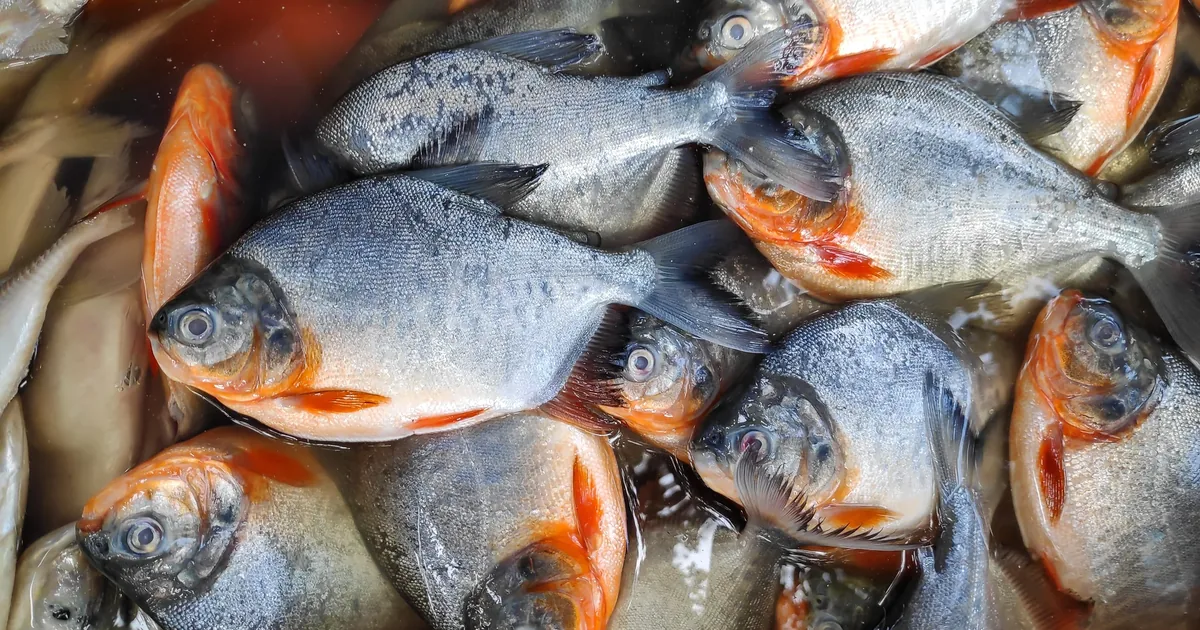
Pacu – which are also called tambaqui, pirapitinga, cachama, morocoto, or gamitana – are among the fish with the greatest potential to challenge the dominance of carps and tilapias in tropical…
There are those who argue that farming is a way of life and not a business, but in today's modern, competitive and global agriculture/agribusiness environment, that mindset is the quickest way to…
Artificial intelligence (AI) has become increasingly relevant in aquaculture research and production in recent years – with both startups and established companies developing new AI-based…
As many aquaculture operators feel the economic pinch, this article suggests a number of ways in which production efficiency – and thereby economic performance – can be improved.
Most of the fish currently farmed in the sea are carnivores, but there’s a strong argument for producing more marine herbivores, which don’t depend on diets containing fish meal and fish oil.
Cryopreservation – involving the freezing and ultra-low temperature storage of ova and sperm – has been demonstrated with varying degrees of success across a range of farmed aquatic species, but more…
A range of initiatives from US soy producers have been integral to the transformation of China’s aquaculture sector from traditional rural polyculture to modern methods, thereby inspiring the…
When I was contemplating a topic for this month’s article, I was reminded of a question my daughter asked me several years ago: “Can we feed our dogs a vegetarian diet?”
Triploidy is widely used in aquaculture to improve growth rates, reduce possible impacts of farmed animals on wild aquatic ecosystems and enhance product quality, but there’s room for improvement and…
Although native to the Atlantic and Gulf Coasts of North America, red drum are now farmed across a wide geographical range – with some producers proving more enduringly successful than others.
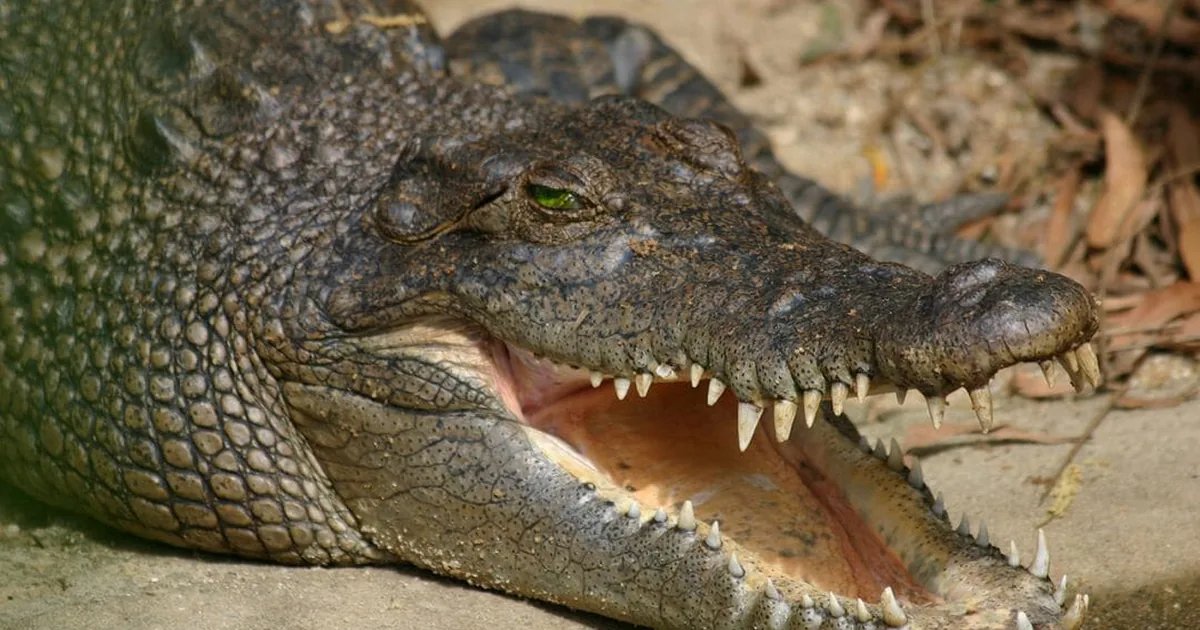
Perhaps one of the least aquatic forms of aquaculture involves the farming of crocodiles, alligators and caimans. These animals are referred to as semi-aquatic, and their husbandry is in some ways…
Genomic selection is an effective means of improving aquatic animal health, with recent studies suggesting it can be used for a range of conditions including whitespot resistance in shrimp,…
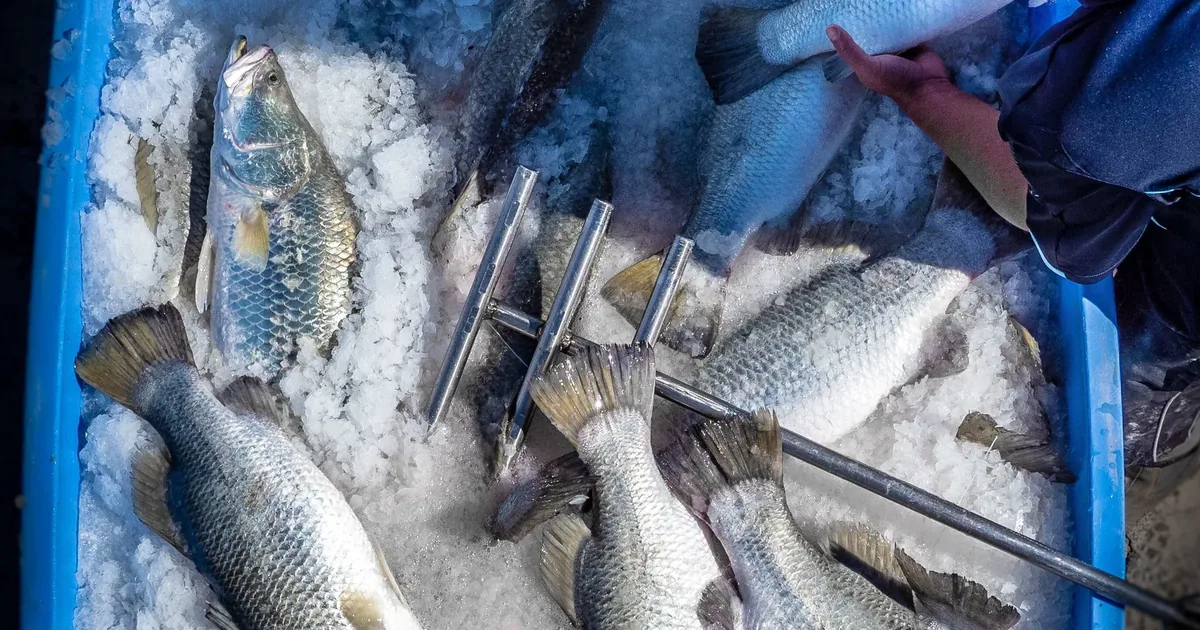
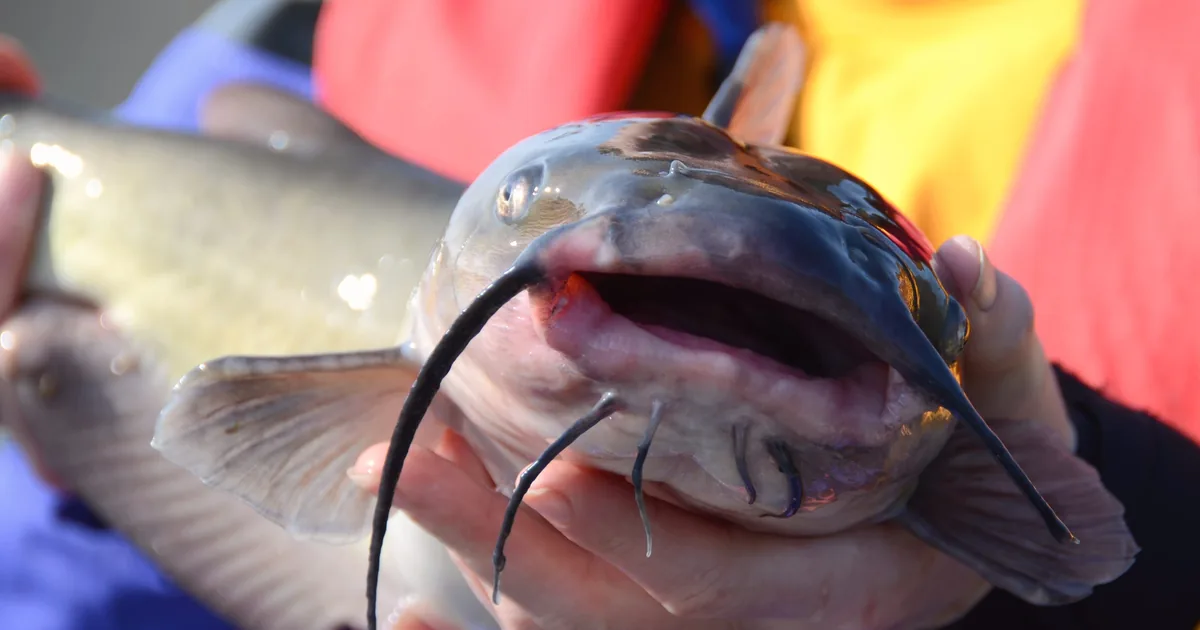
Catfishes have surpassed tilapia in global aquaculture production and – helped in part by the sheer number of their species and their extensive geographical range – they are set to remain at the top…
The gene editing tool CRISPR is now being used to generate a range of traits in a variety of farmed aquatic species – including salmonids, crustaceans and carp – but there is still a way to go before…
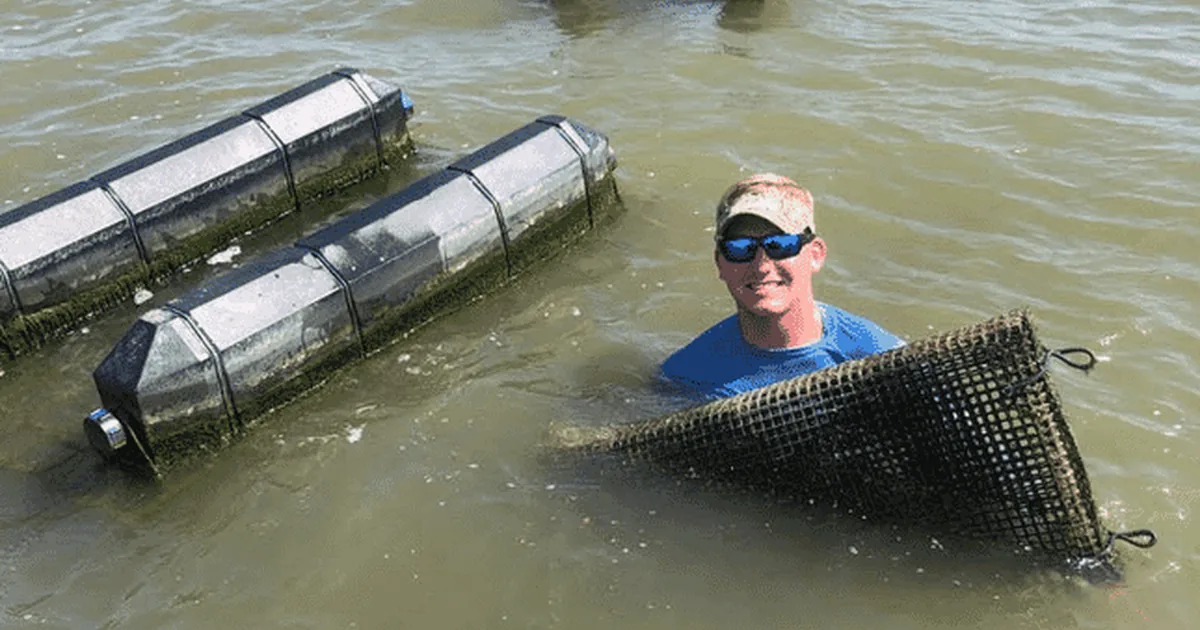
A new range of off-bottom cultivation techniques, backed by positive reports and state incentives, is beginning to supplement traditional oyster farming methods in Louisiana.
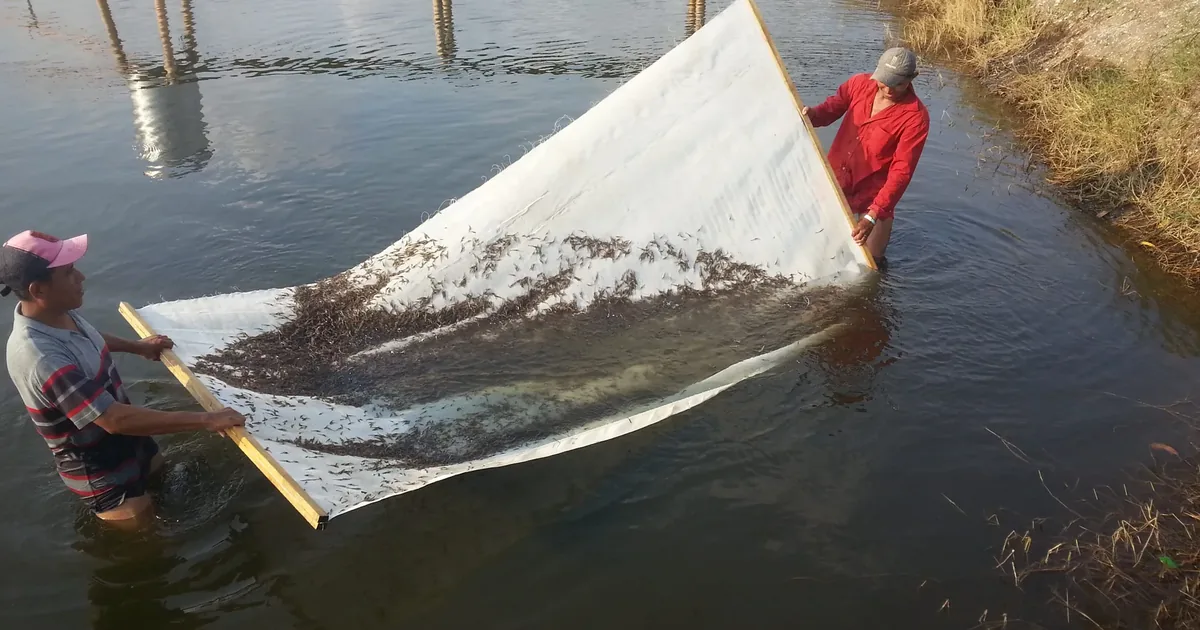
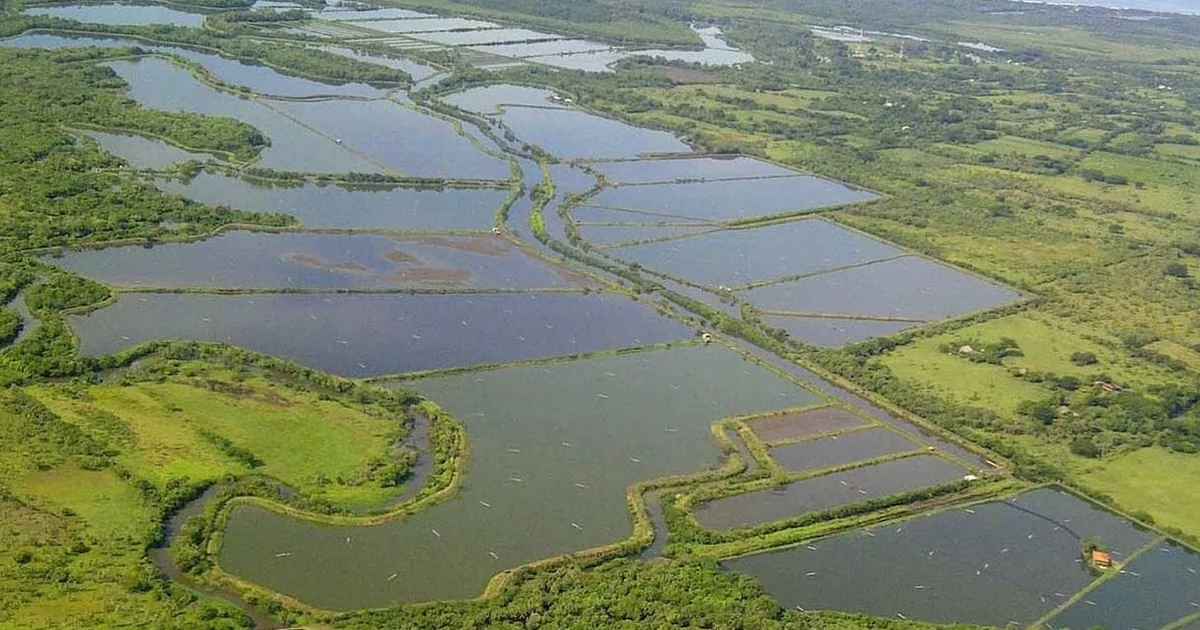
The decision to change from producing shrimp in traditional earthen ponds to a more intensive model, based on techniques adopted from Asia, has paid dividends – both for Acuamaya and for several…
Reliable figures on the carbon footprints of different aquaculture species are hard to find – not least due to the variety of production systems they come from – but all suggest that aquaculture…
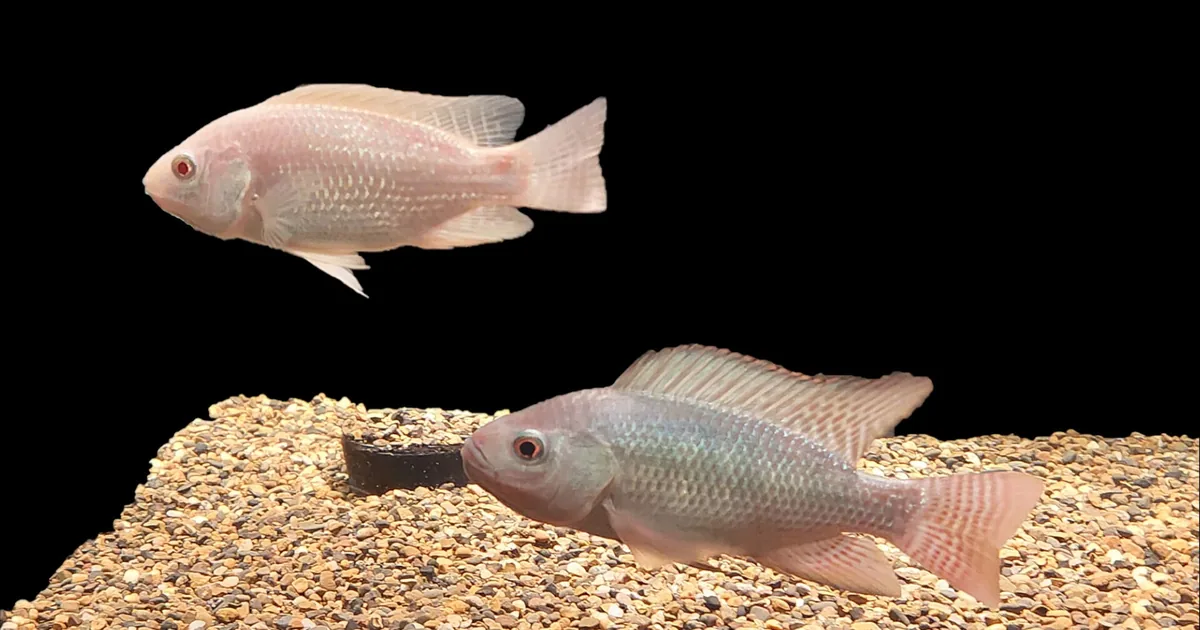
Producing tilapia in marine environments offers a number of advantages over traditional freshwater farming of these fish – saltwater is more readily available in most countries, escaped fish are less…
Wild broodstock are still widely collected – both for aquaculture and for restocking purposes – but ensuring the health and welfare of these mature finfish requires careful capture and transport…
Heterosis, the well-known concept of “hybrid vigour”, has been utilised to improve fitness-related traits – like growth, fecundity and disease resistance – in a number of cultured aquatic species…
Over the past few months, aquaculturists in many parts of the world have begun to focus their attention on formulating strategies to survive difficult economic conditions. As national economies trend…
When considering ongoing genetic improvement efforts in tilapia culture, comparisons with the development of the modern chicken industry often present themselves.
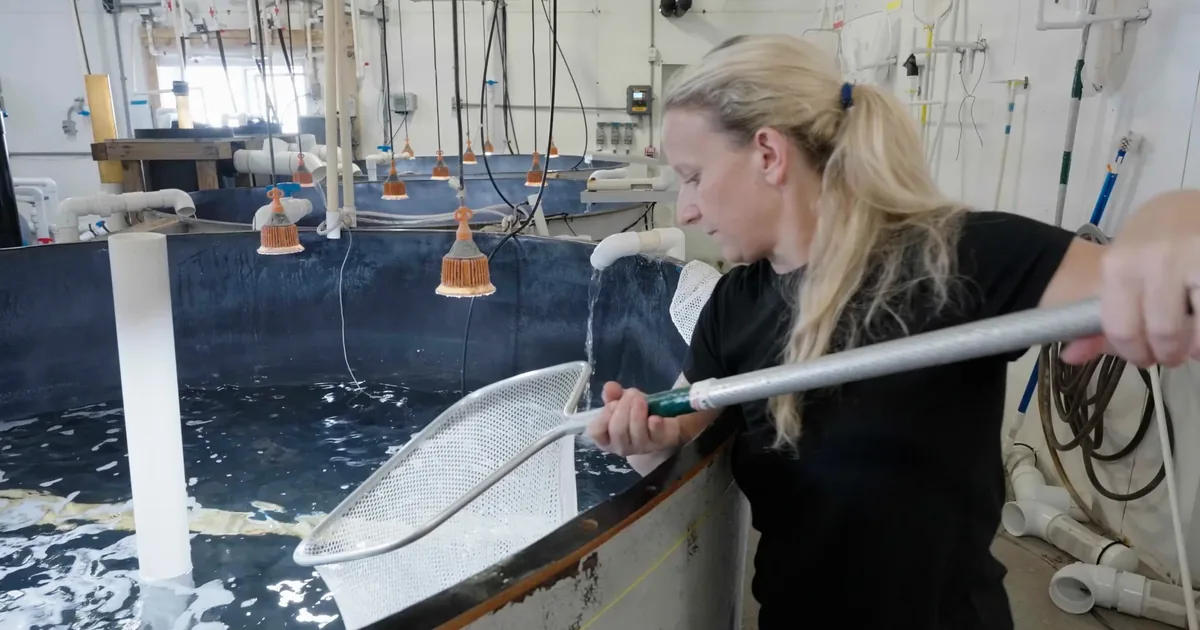
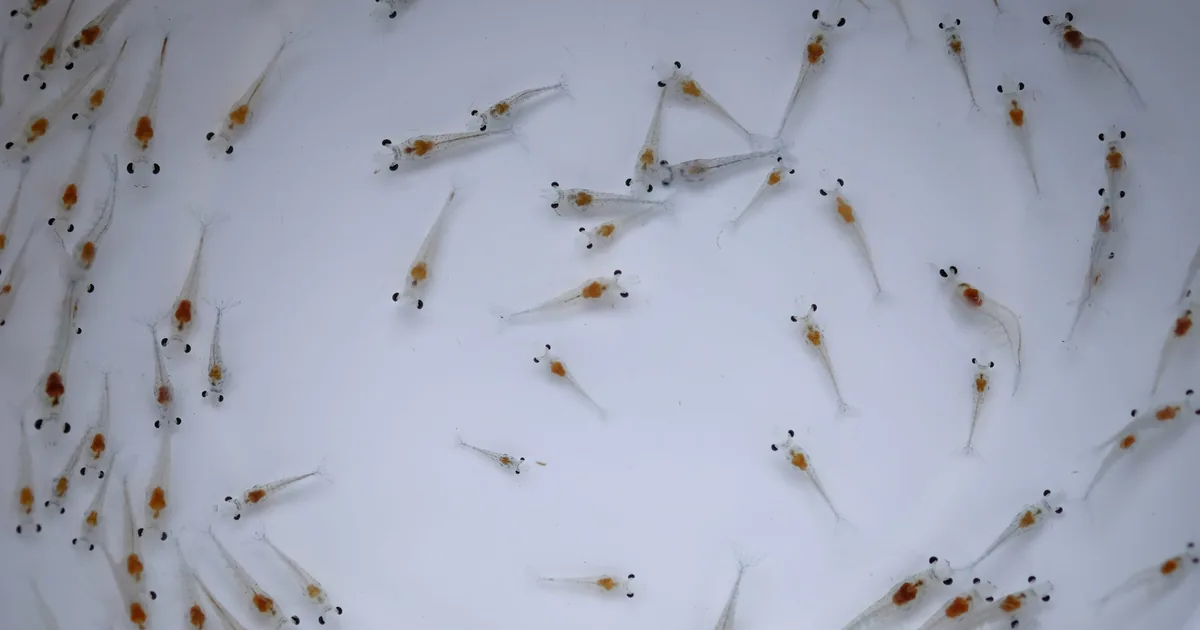
Interest in tank-based shrimp production systems has been increasing in recent years in North America and Europe, while it's also slowly gaining traction in tropical regions too.
We use cookies to improve your experience, analyse site traffic and understand where our audience comes from. Accept all cookies, or continue with only those essential to running the site. See our Privacy & cookie policy.