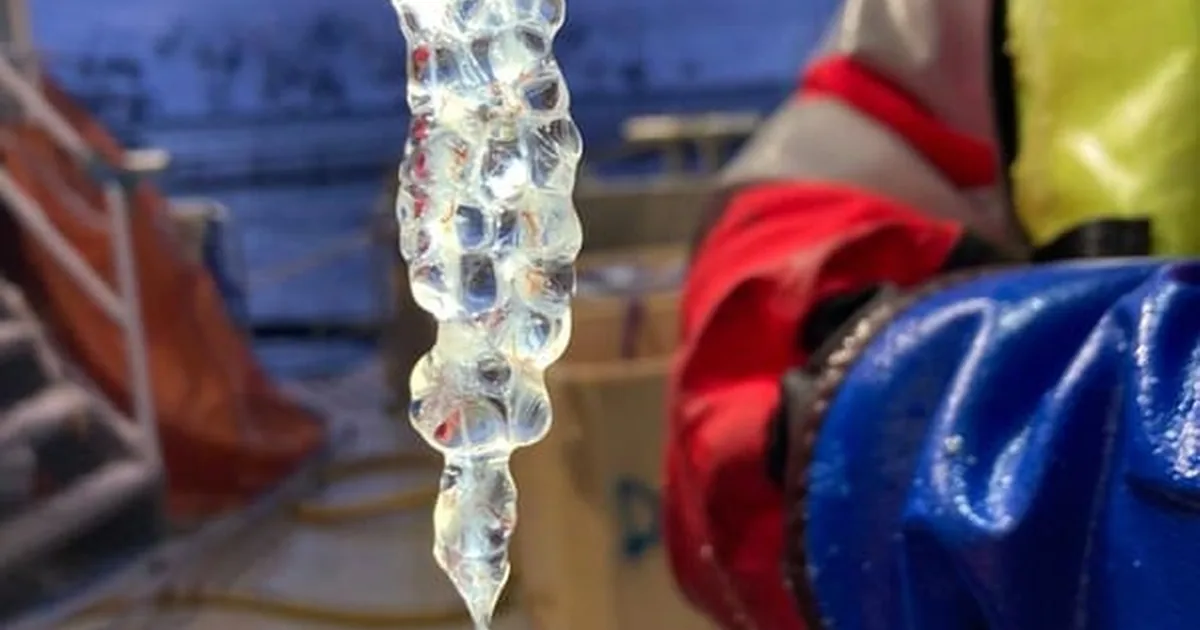
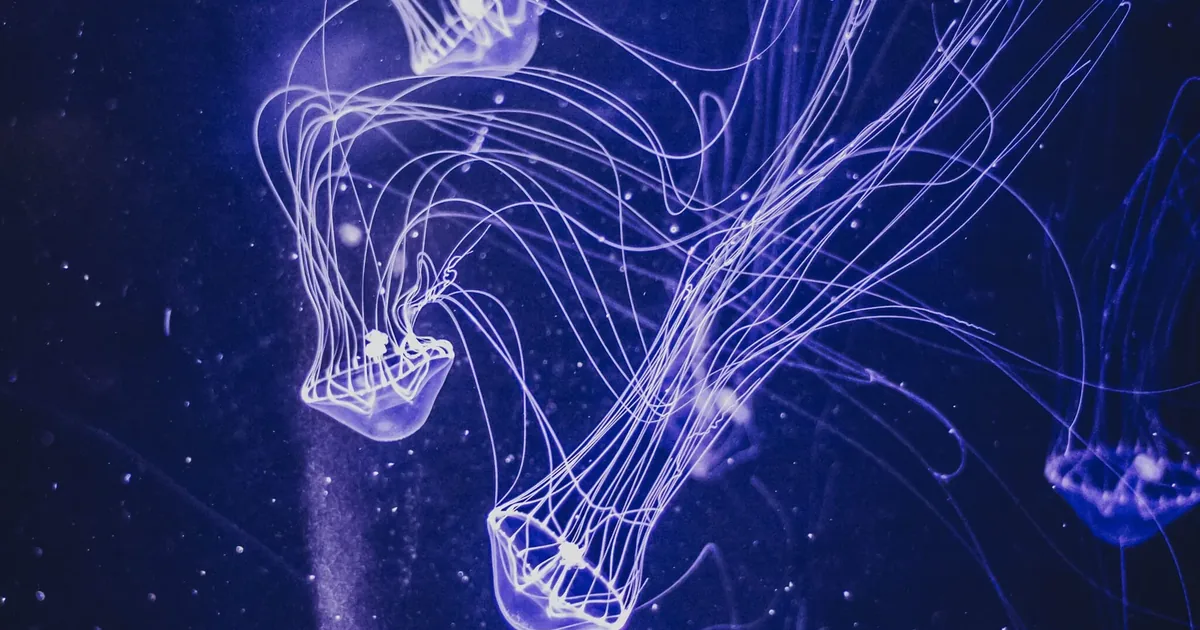
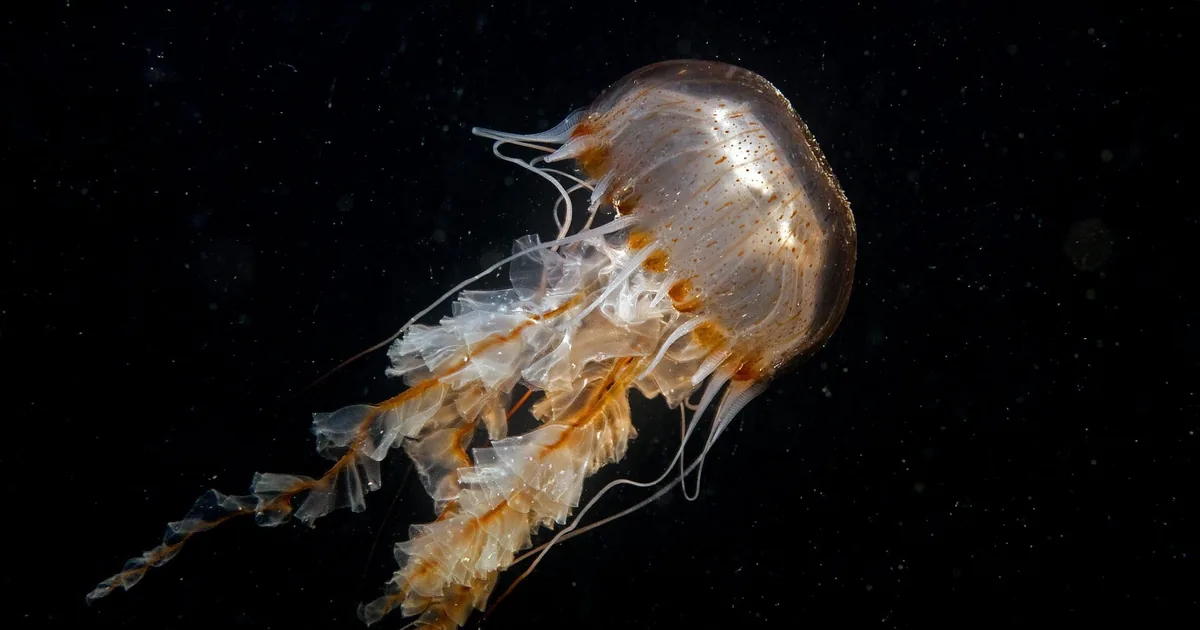
A species of jellyfish that previously caused significant fish mortality at salmon farms in Norway is moving northwards, and researchers are urgently asking fishers across the North Atlantic for…
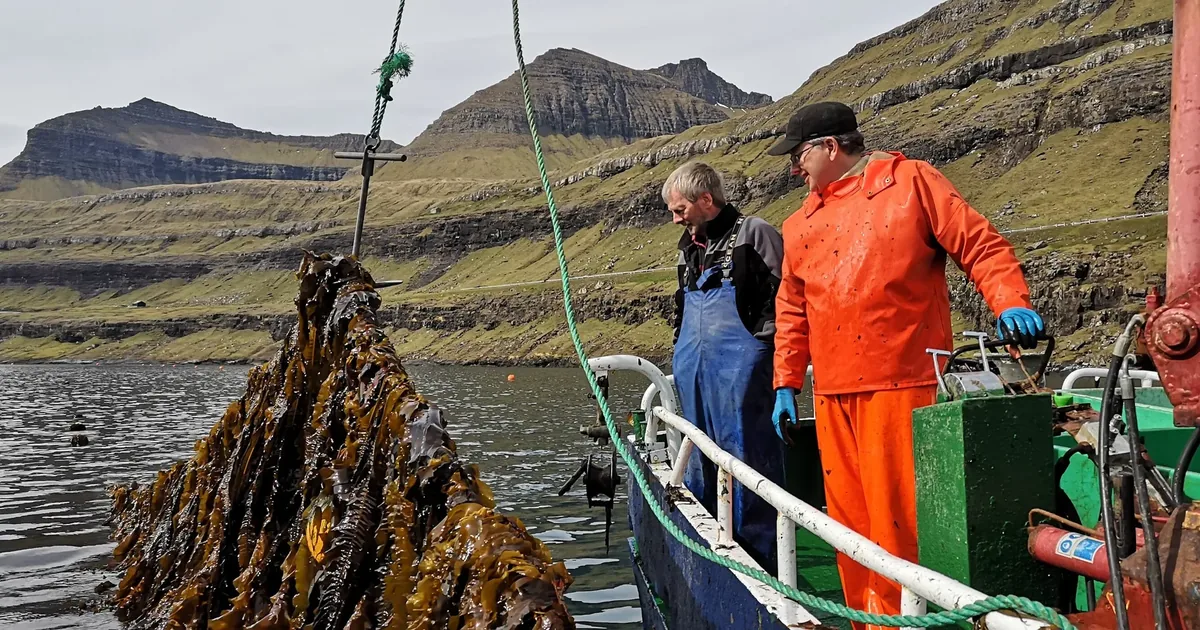
Anthony Bellafiore, investment manager at Katapult Ocean, one of Europe’s leading aquaculture and bluetech VCs, believes that it’s too soon to write off the West's fledgling seaweed sector.
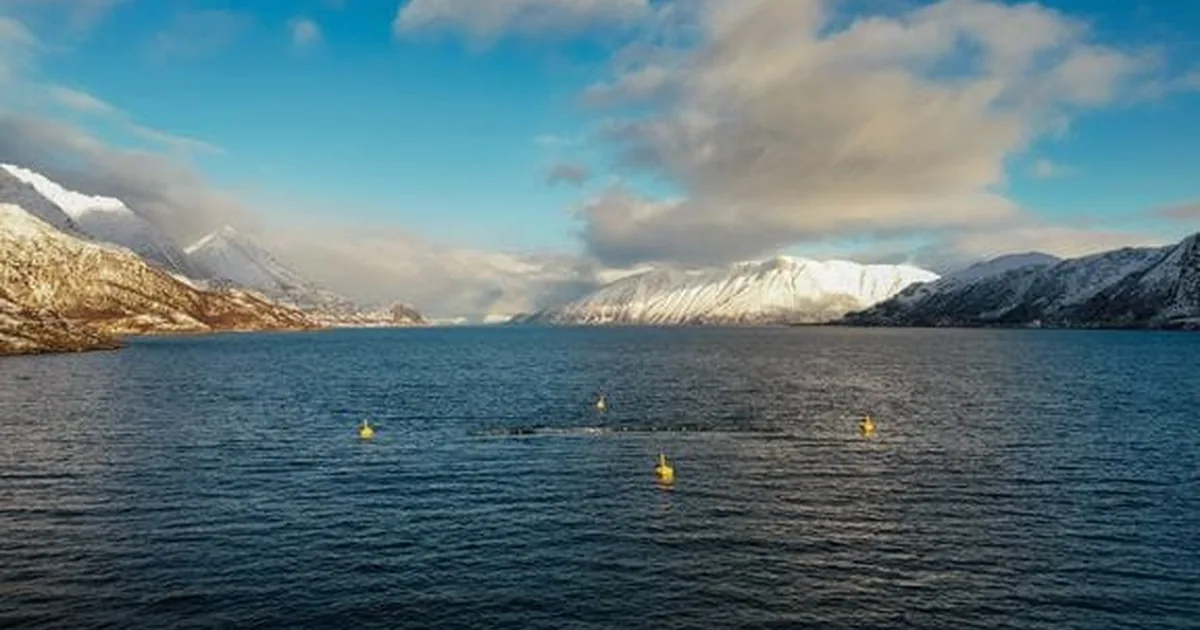
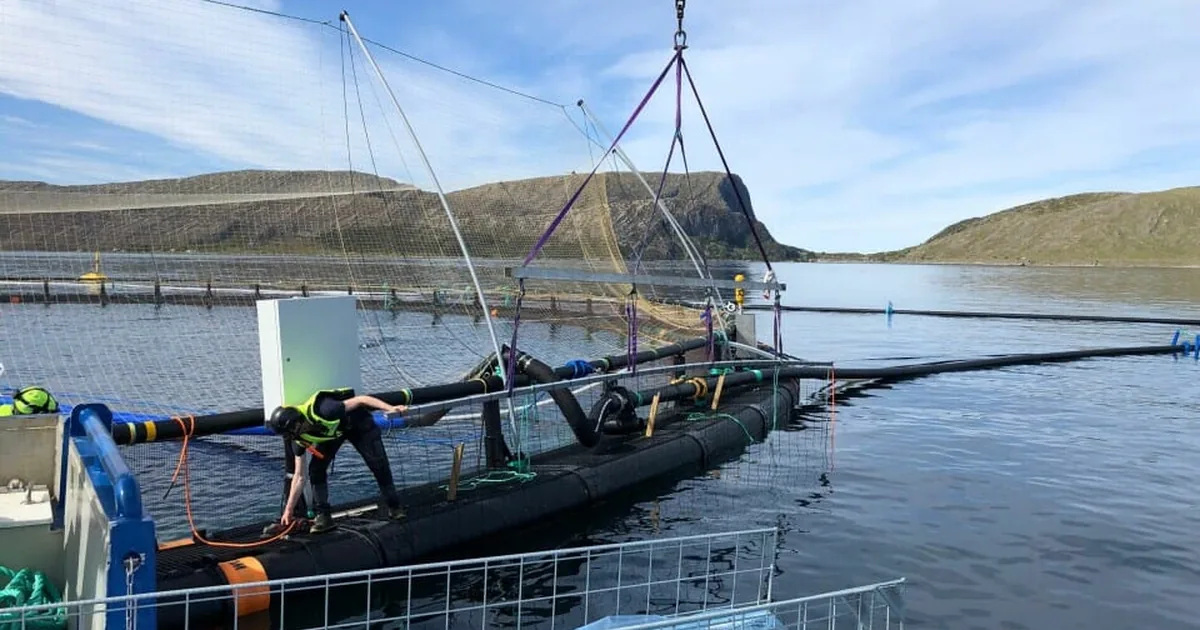
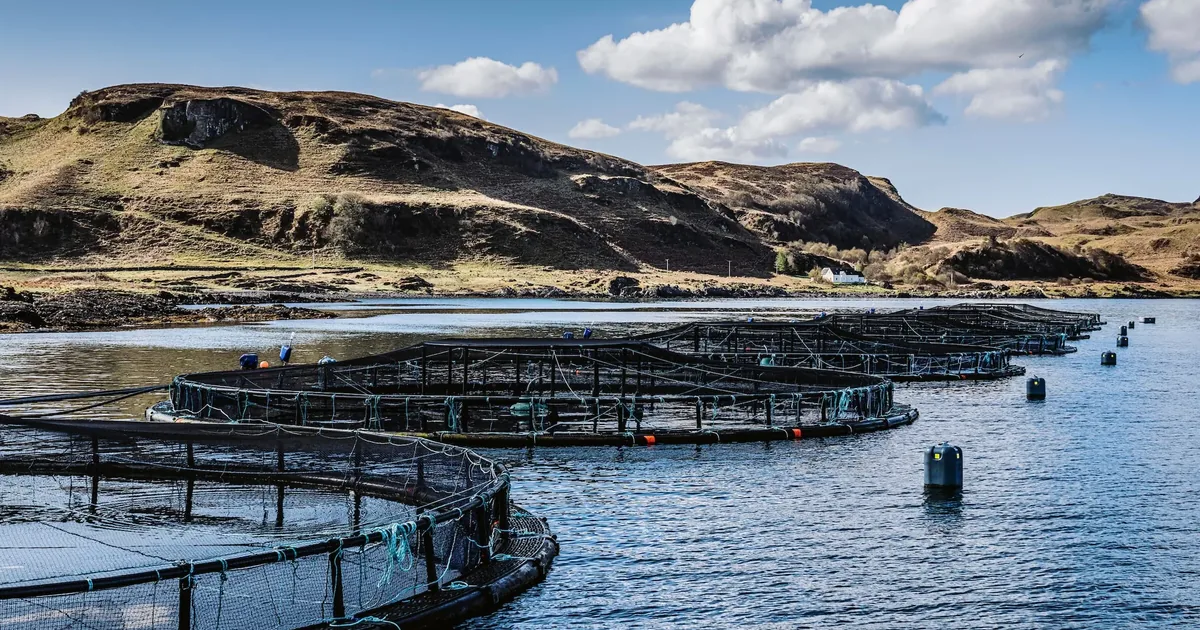
Norwegian tech company Harbor has taken a major step forward in protecting farmed salmon from harmful jellyfish, after trials confirmed the effectiveness of its electric barrier technology.
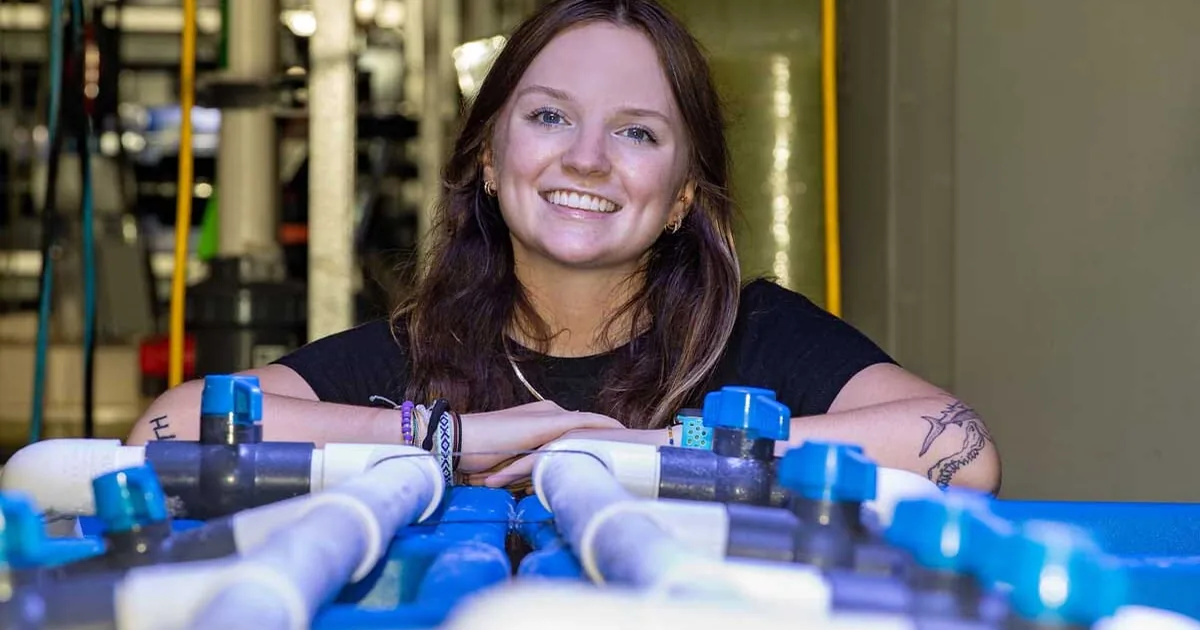
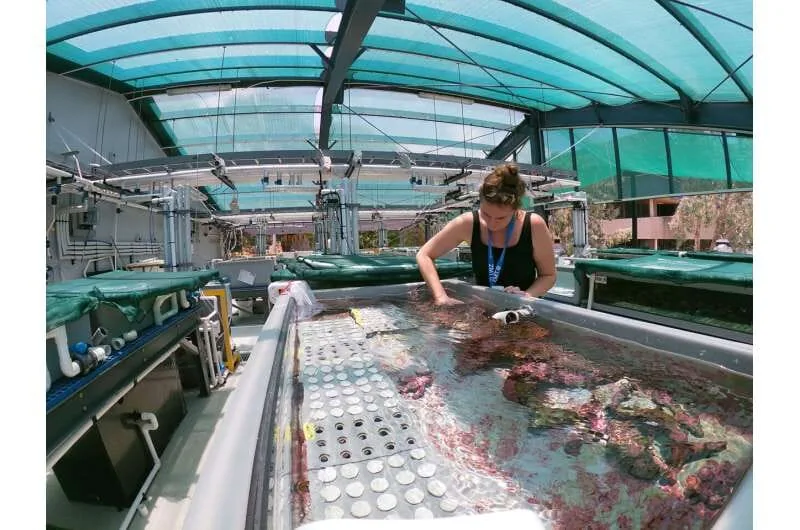
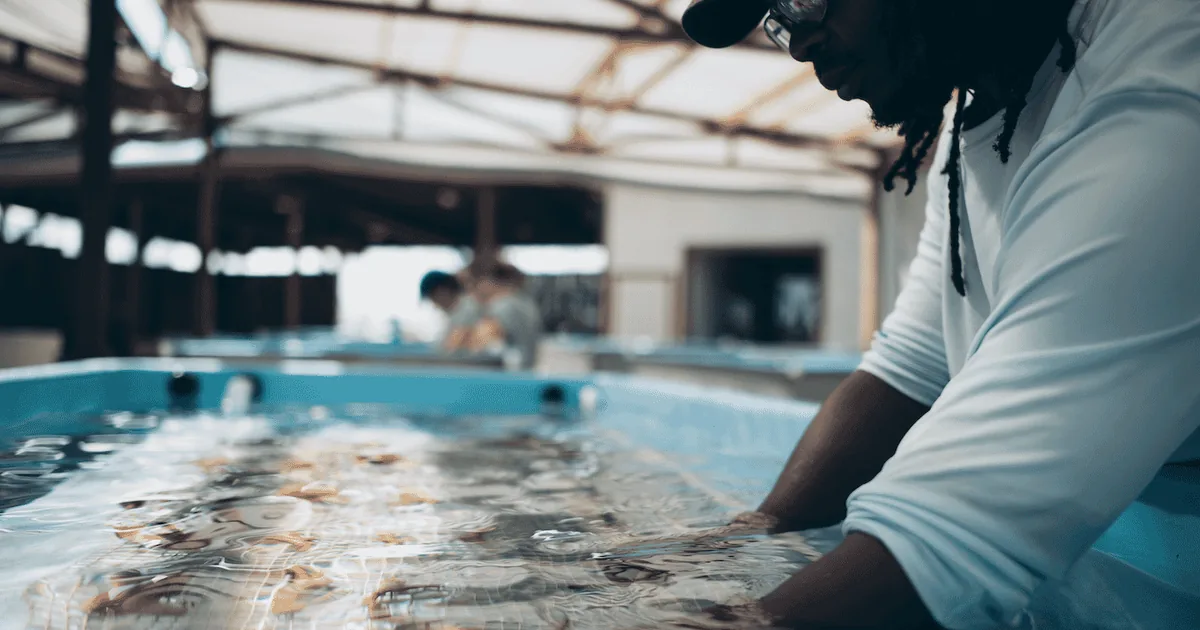
Coral Vita is employing cutting edge- aquaculture methods to protect the world’s coral reefs, in a bid to protect these vital ecosystems against the ravages of climate change.
Globally, aquatic ecosystems face escalating impacts, with widespread losses of biodiversity and habitats. Although aquaculture can contribute to these impacts – by creating pollution, damaging…
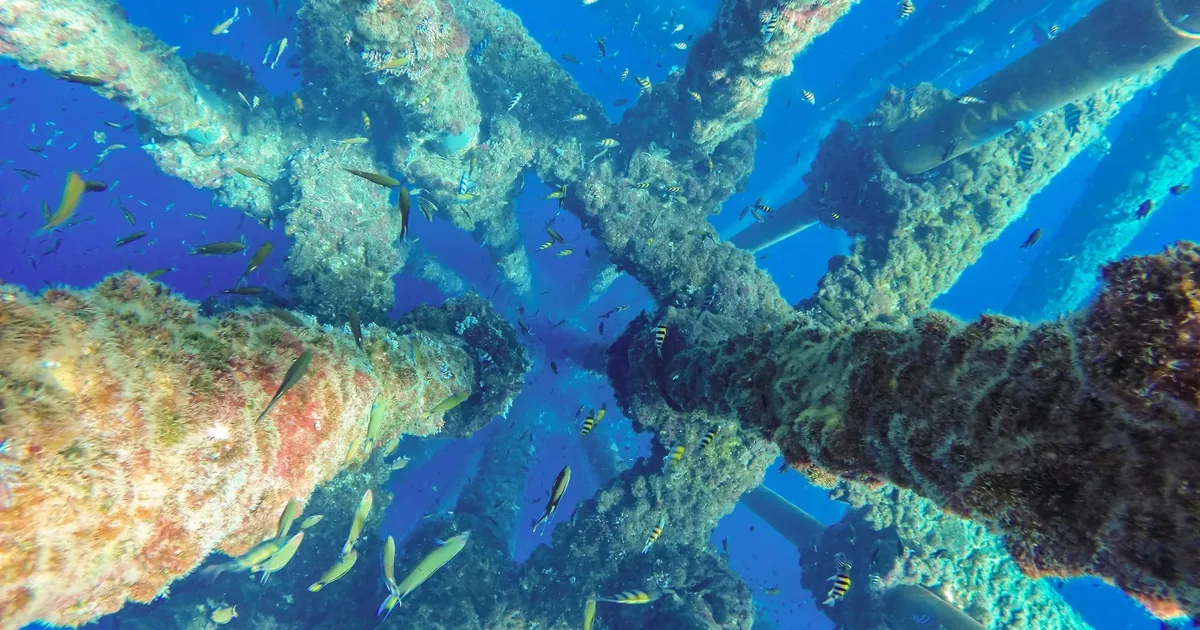
Researchers are devising ways to use seaweed, algae and other marine life brought to shore when oil platforms are decommissioned as livestock and aquaculture feed.
Researchers are developing new antifouling coatings that prevent algae from colonising ship hulls – and are hoping to create ones that allow coral larvae to thrive.
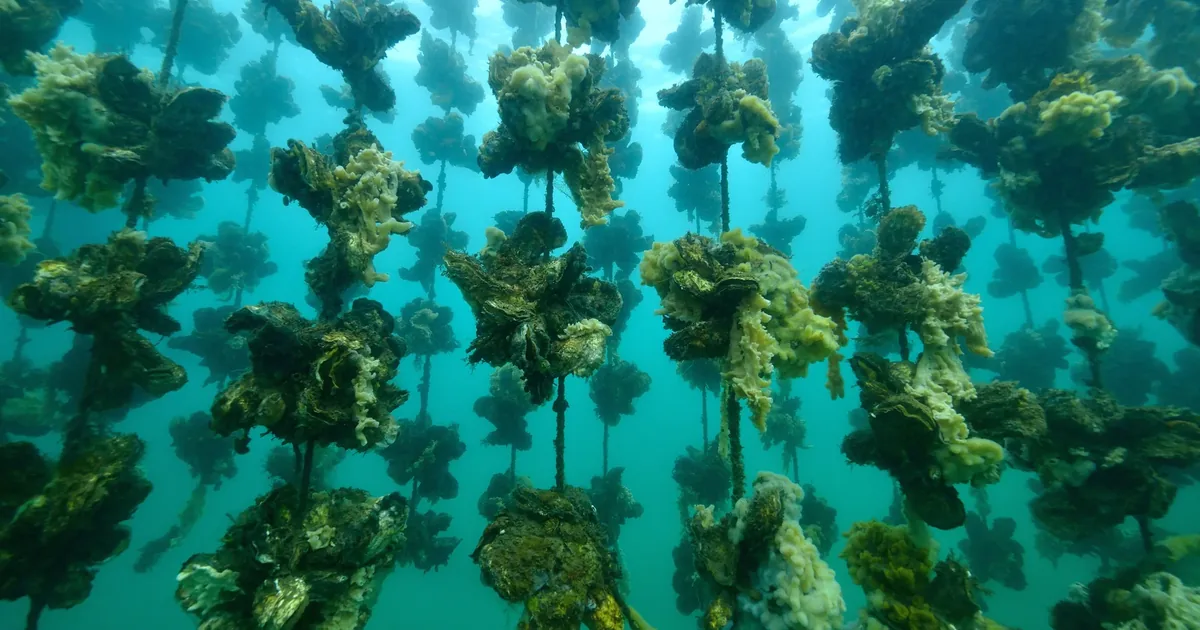
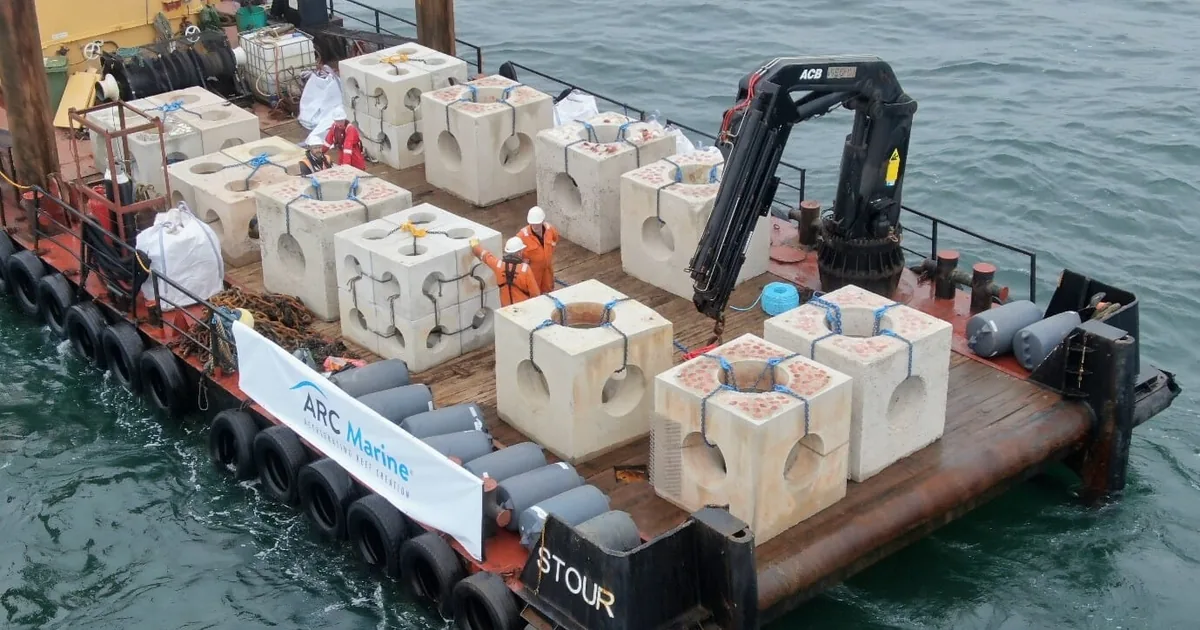
Artificial reefs made from innovative, low-carbon emission materials have the potential to improve biodiversity around aquaculture sites and may even open up opportunities for multi-trophic…
Twelve innovative solutions, projects and tools for blue carbon markets are getting technical support from Friends of Ocean Action and UpLink as part of the Blue Carbon Challenge.
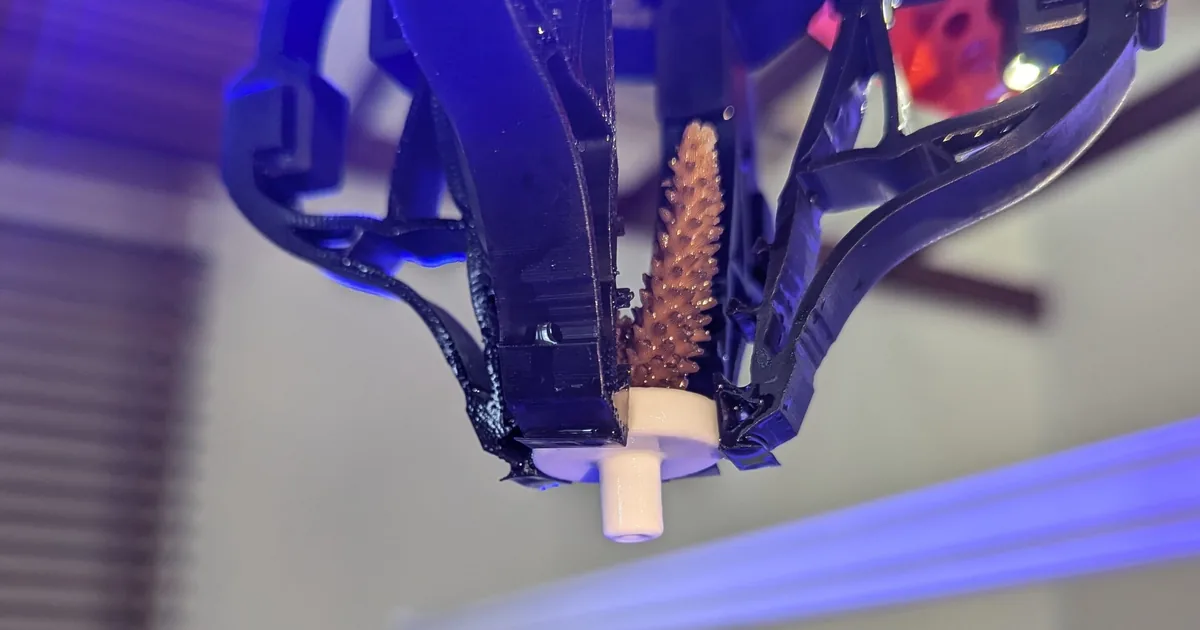
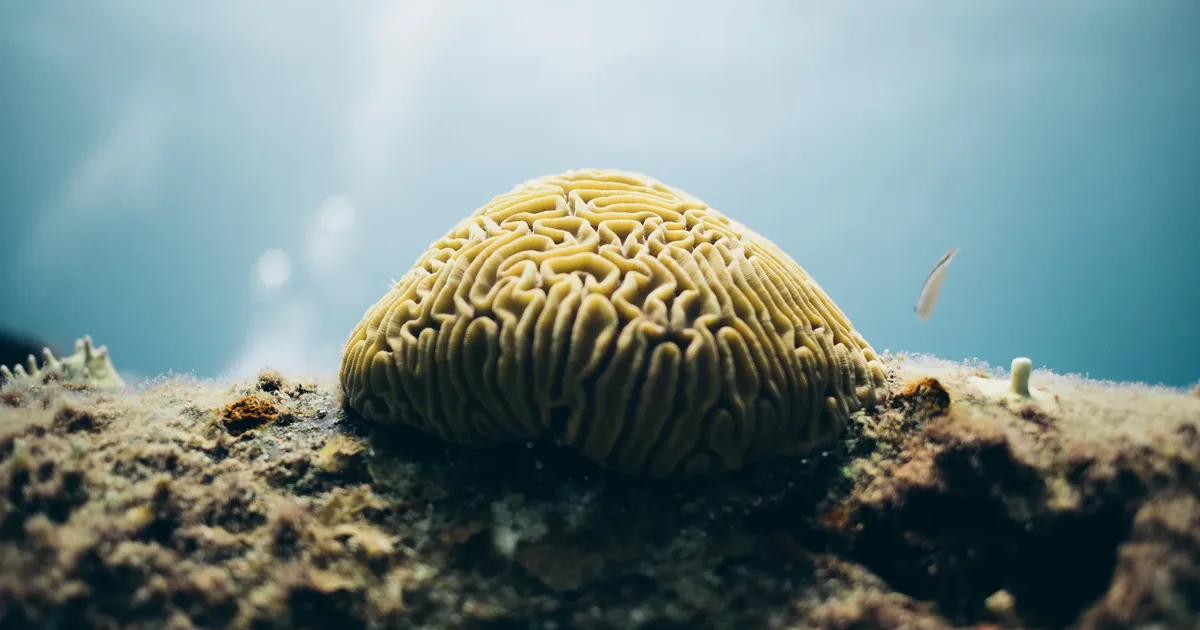
Coral restoration could become easier and quicker with the use of 3D printing, according to a team of reseachers from King Abdullah University of Science and Technology (KAUST)
Hydrozoans, more commonly known as micro jellyfish, are being closely monitored by Mowi Scotland to better understand how they affect the gill health of salmon, attendees at this week’s International…
Coral Vita, a startup that aims to regenerate coral reefs through aquaculture, has been selected as one of 15 finalists for the inaugural £5 million Earthshot Prize.
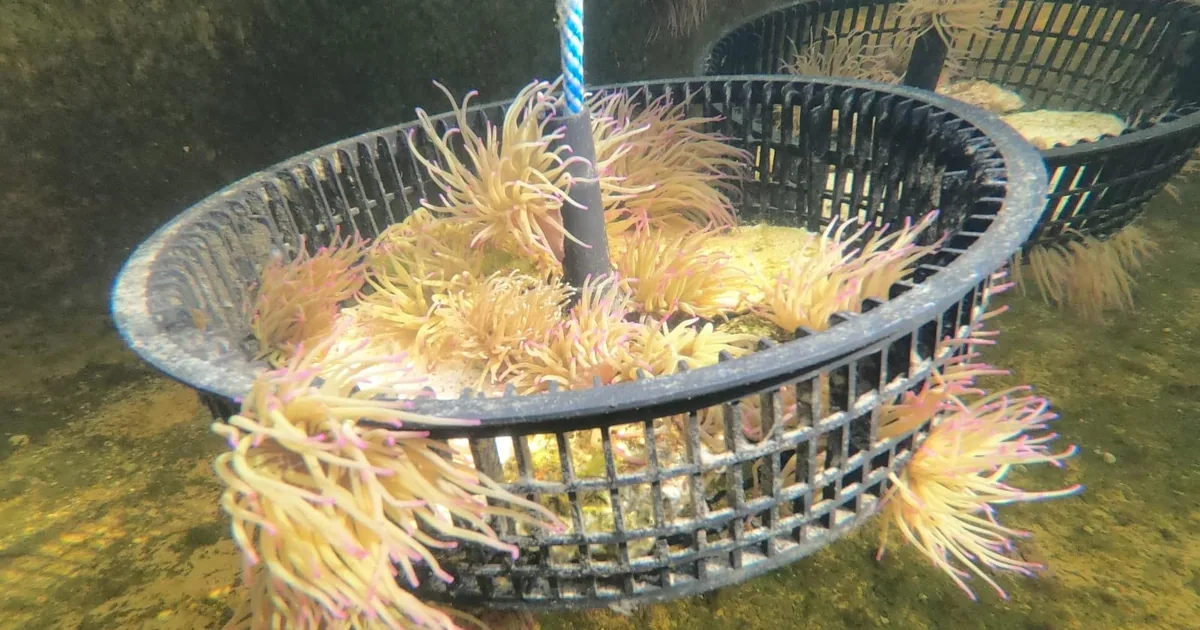
A promising integrated multi-trophic aquaculture (IMTA) project aims to restore a threatened sea anemone to a large swathe of the southwest coast of Spain, as well as produce a range of other seafood…
Recent experiments have shown that crude venom from the Acromitus flagellatus jellyfish can slow – and even reverse – human liver and lung cancer cell growth, suggesting that it could be a promising…
We use cookies to improve your experience, analyse site traffic and understand where our audience comes from. Accept all cookies, or continue with only those essential to running the site. See our Privacy & cookie policy.