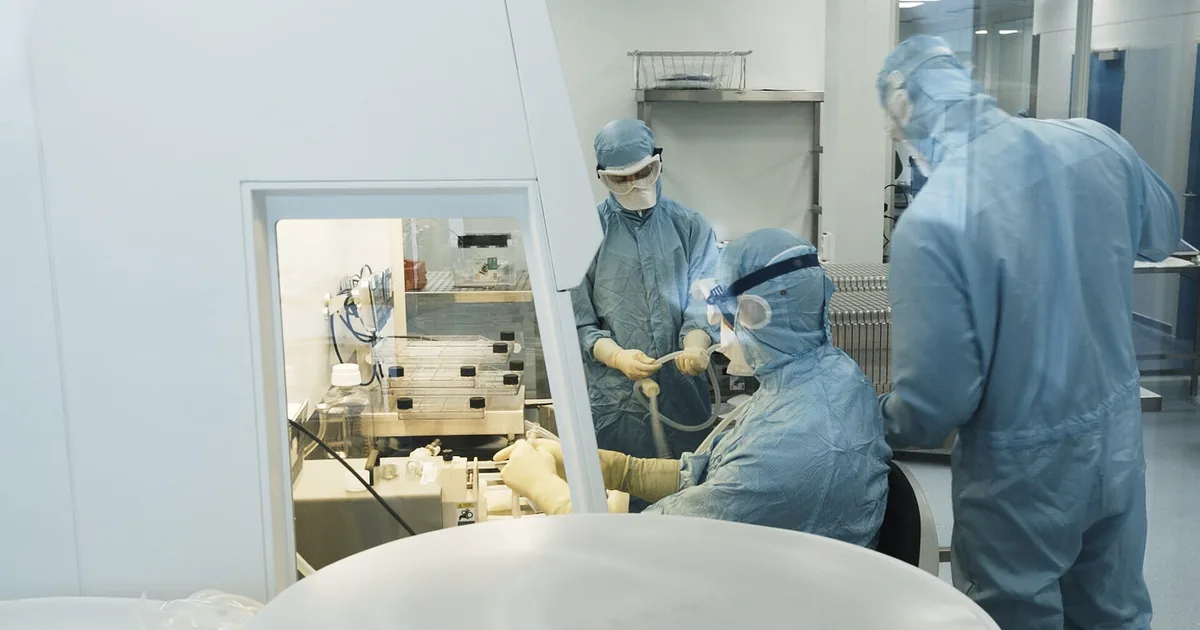
German biotechnology firm AquaNab has secured investment from Finnish venture capital firm Nordic Foodtech VC to advance its novel nanoantibody platform, which delivers oral treatments through…
A new paper details how molecular tools such as CRISPR could be effectively used to increase the resistance of Atlantic salmon to sea lice – improving fish welfare and reducing costs for the salmon…
An exclusive interview that includes information about new products that enhance resistance to sea lice in salmon and reduce the aquaculture industry’s reliance on marine ingredients, featuring…
Walking through the halls at AquaNor this year reinforced how diverse and ambitious innovation in aquaculture has become: from advanced feeding systems and real-time environmental monitoring to…
FP Aquaculture & Ocean Health is developing an all-in-one tool to help salmon farmers detect small but destructive biological threats before they strike.
New research led by Nofima reveals that coho salmon mount a rapid and local immune response that helps them actively reject sea lice, offering insights that may guide breeding and treatment…
Fish health company Harbor, which has developed an electric fence to safeguard salmon from lice and jellyfish, aims to have 80 units operational by the end of 2026.
EVAH, a Canadian biotechnology company, has secured a US patent for a novel low-dosage in-feed medicinal product that combats sea lice – one of the salmon farming industry’s most persistent and…
Manolin - a Norwegian aquaculture data intelligence firm - has launched its new Observer Report series, beginning with a comprehensive assessment of sea lice pressures and treatments across Norway.
Scotland’s worst performing salmon farms could face being mothballed, or having their stocking rates limited, following a new governmental report – although a moratorium on the industry's expansion…
Norwegian biotech firm Vestland Pharma has secured NOK 12 million in funding from venture capital group Sarsia and seafood giant Coast Seafood to fast-track the launch of its new natural salmon lice…
A round-up of the innovative ways that are being developed and deployed by salmon farmers in a bid to tackle the ever-present problem of parasitic sea lice.
New restrictions on the use of Scotland's main in-feed sea lice treatment could further reduce the survival rates of farmed salmon, the sector has warned.
Researchers from the University of Stirling’s Institute of Aquaculture have contributed to a study that could lead to improved resistance to sea lice in Atlantic salmon, a major challenge in…
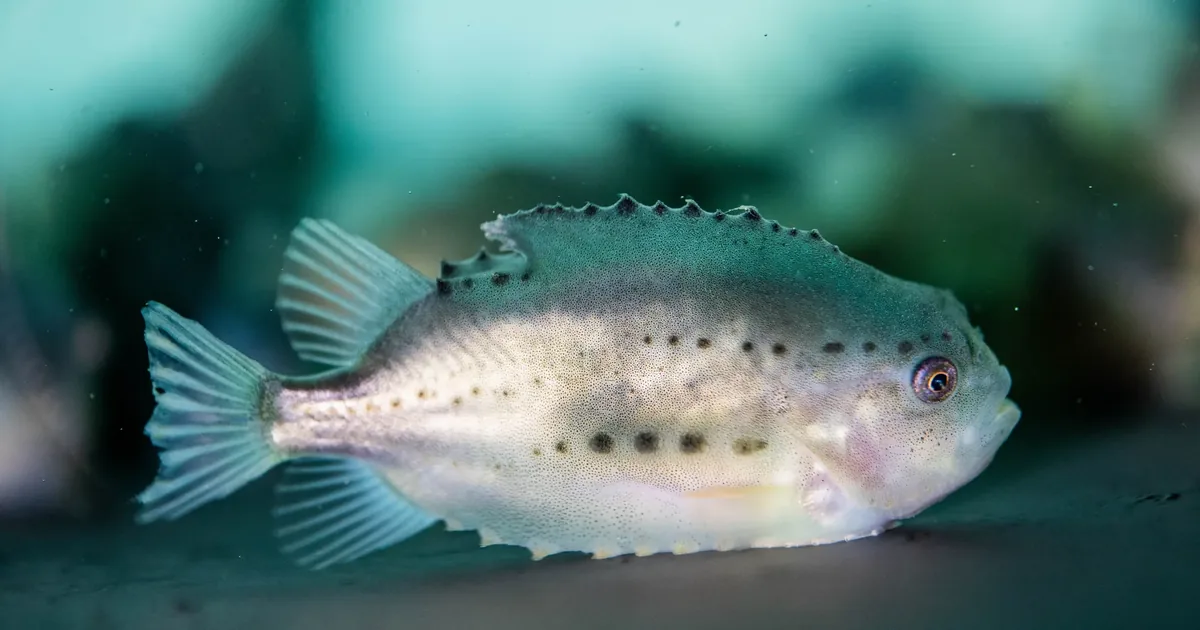
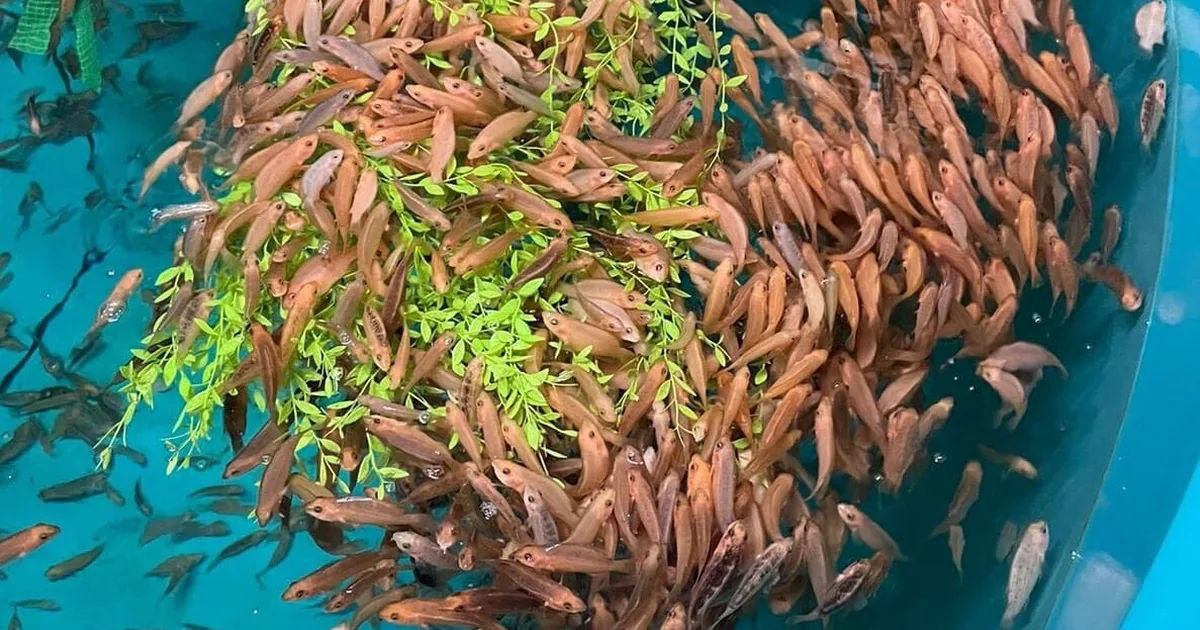
Researchers from the University of New Hampshire have recently conducted a study through which they aim to improve lumpfish survival rates by manipulating light levels and population density during…
Since 2013 Global Salmon Initiative (GSI) members have achieved a 75 percent reduction in the average use of antibiotics, reduced the average use of fishmeal and fish oil in their diets by 51 and 30…
A recent collaborative study investigated a new delivery method for emamectin benzoate (EMB) - the active chemical in some medicinal delousing treatments.
Researchers investigating the potential of vaccine treatments for sea lice have secured funding to advance the study beyond the proof-of-concept phase, which concluded last year.
MSD Animal Health, which is known as Merk Animal Health in North America, has announced that it has signed a definitive agreement to acquire the aquaculture-related assets of Elanco for $1.3 billion.
We use cookies to improve your experience, analyse site traffic and understand where our audience comes from. Accept all cookies, or continue with only those essential to running the site. See our Privacy & cookie policy.