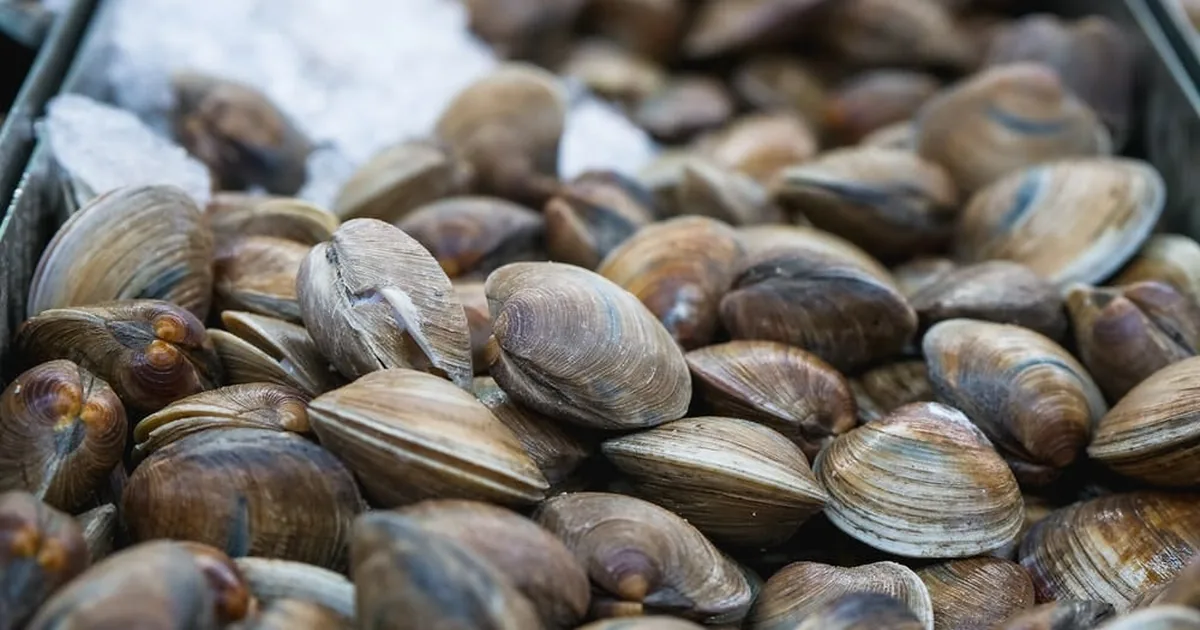
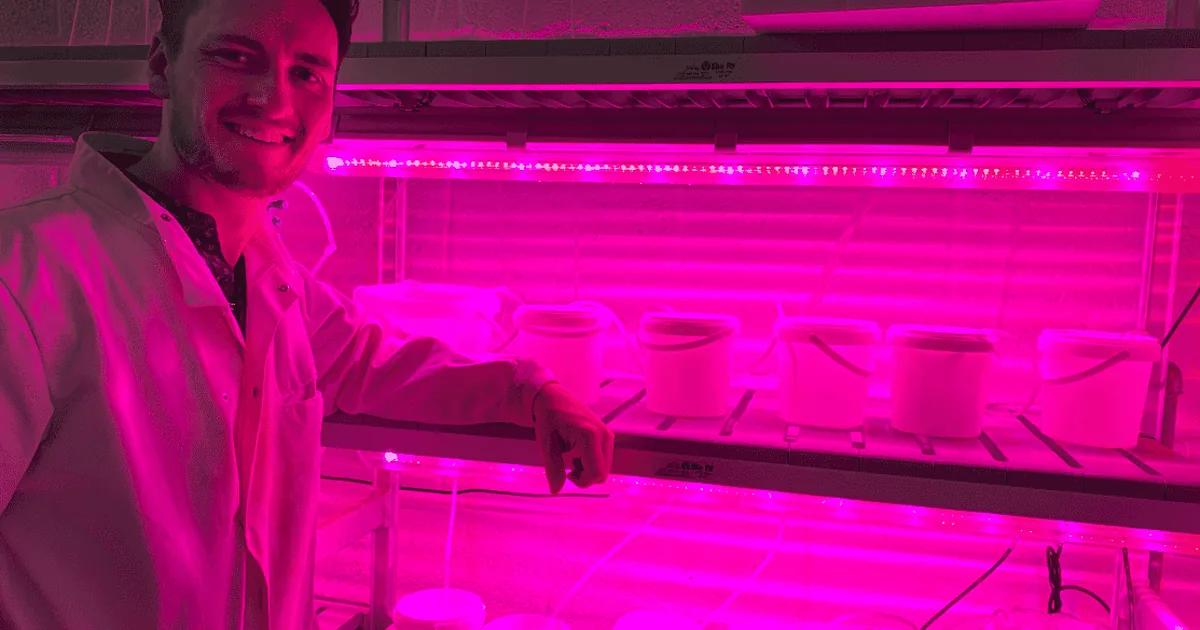
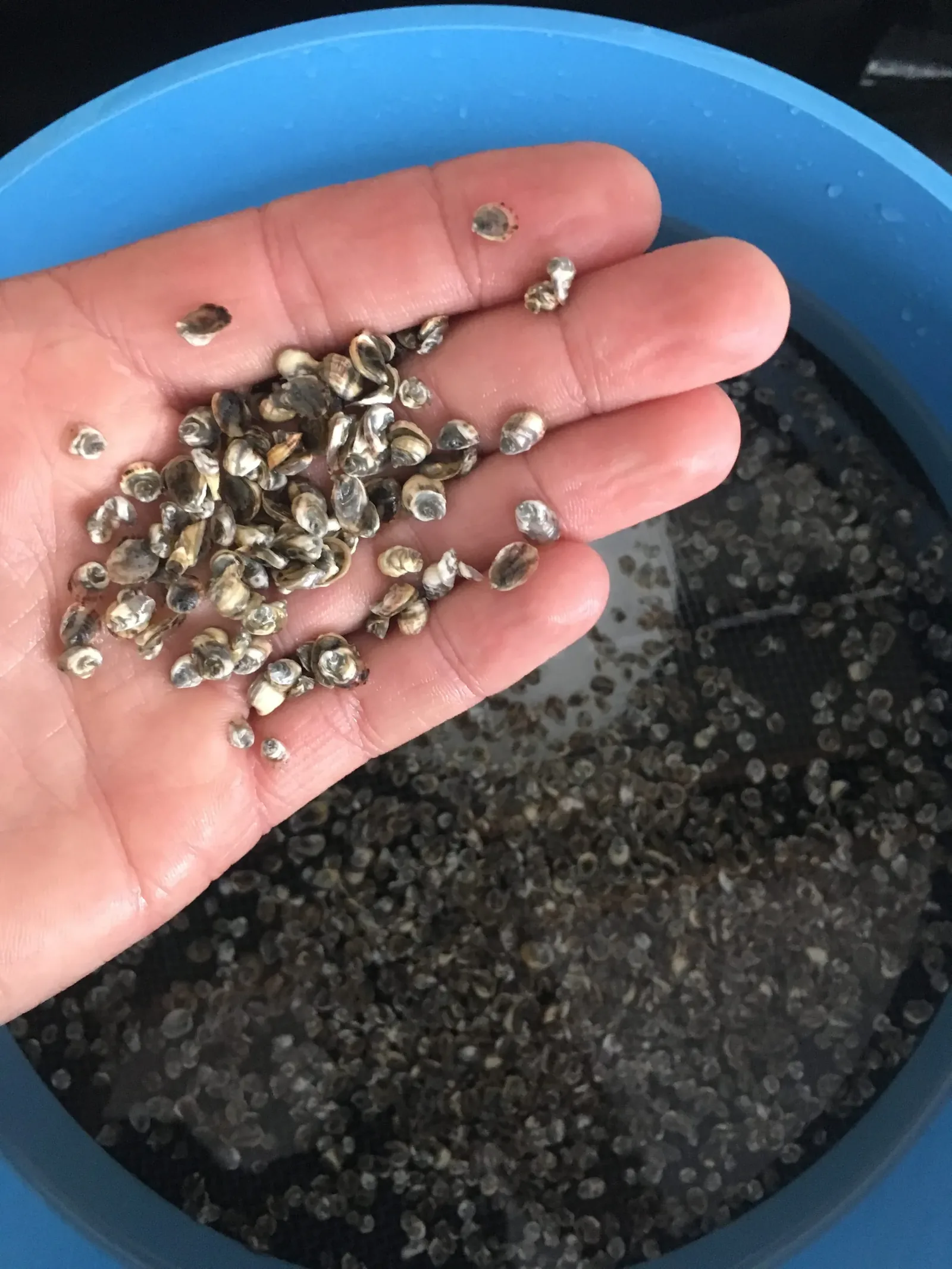
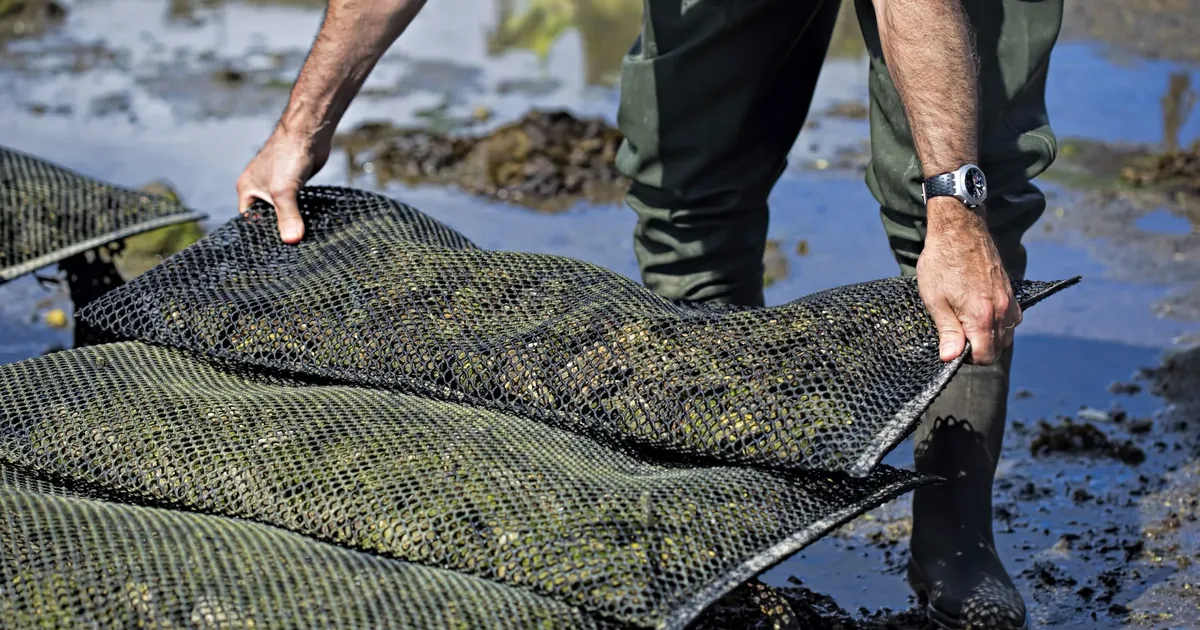
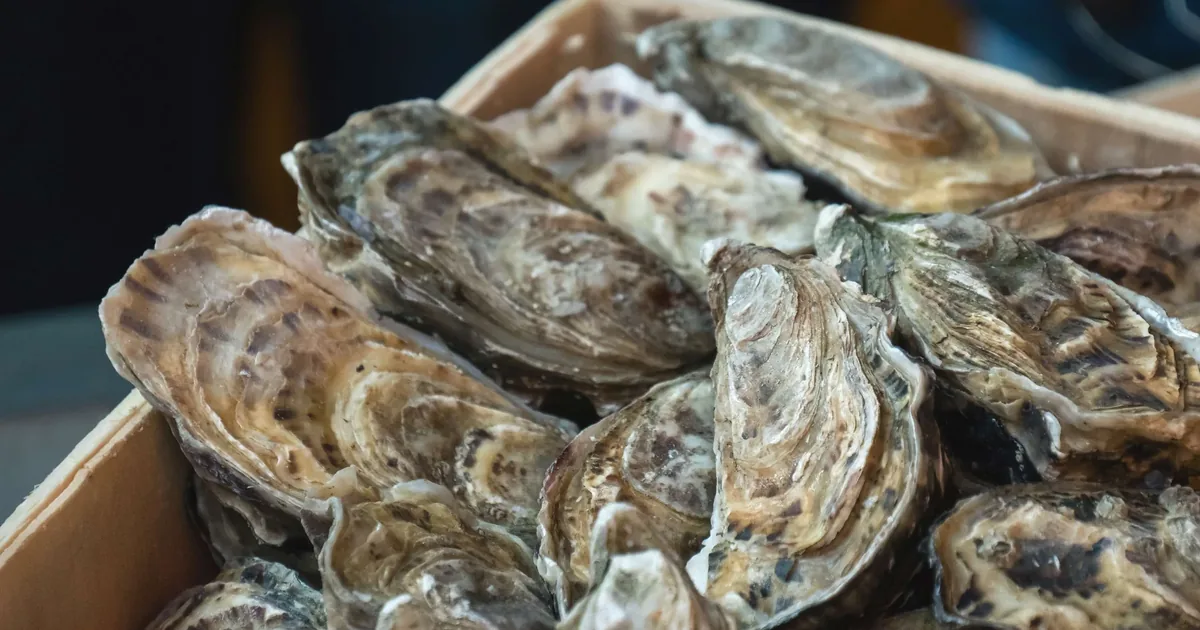
Selective breeding has successfully reduced the production cycle of Manila clams (Ruditapes philippinarum) by three months, marking a significant step forward for the European shellfish industry.
The University of Southampton is leading a new project to improve the sustainability of bivalve farming in Asia – the world’s largest producing region for oysters, mussels and clams.
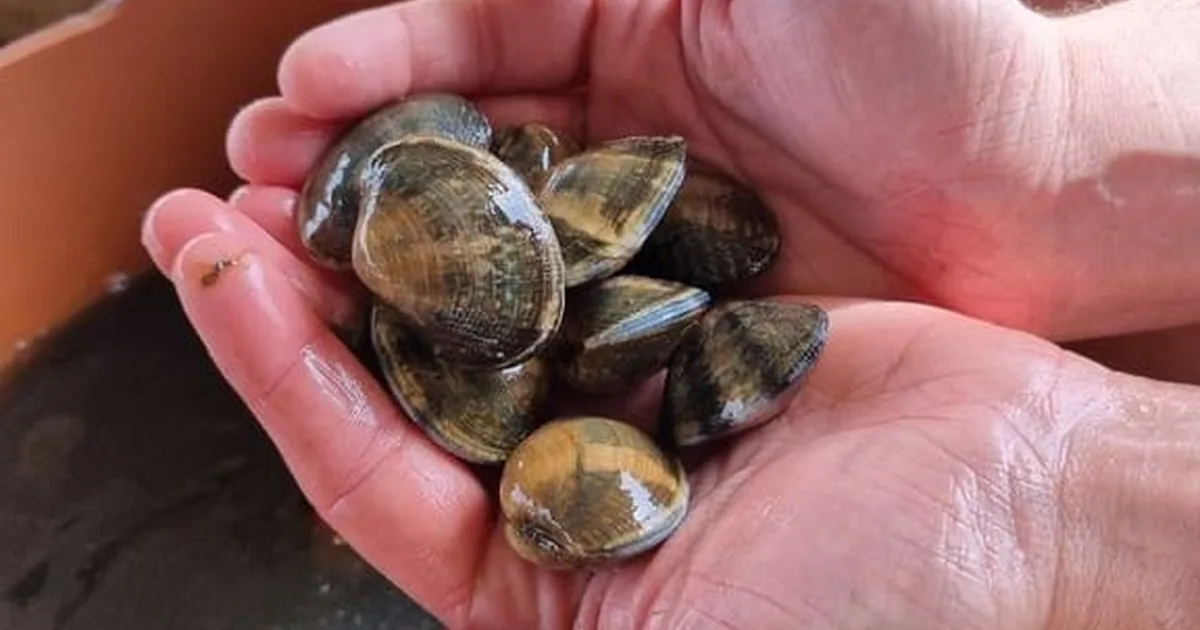
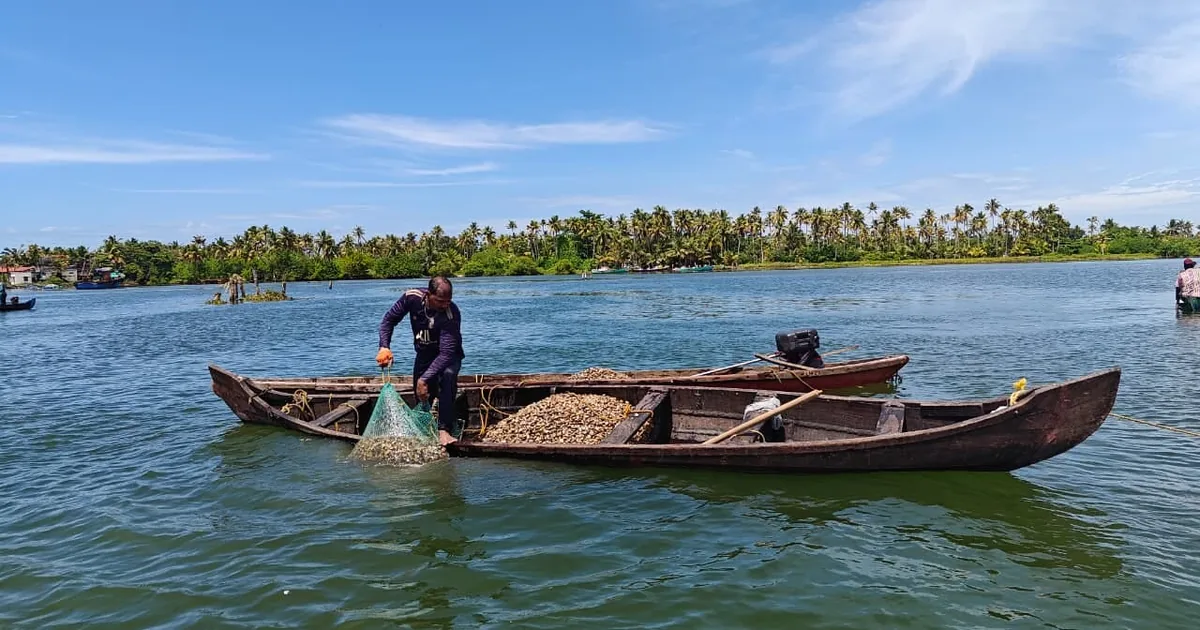
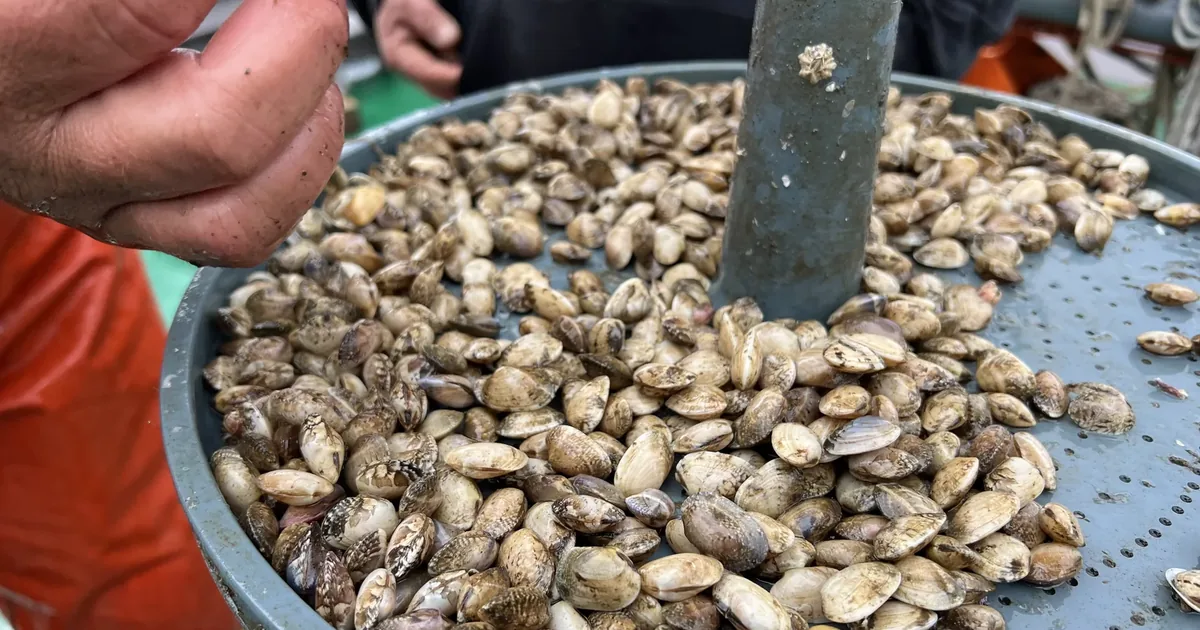
Amidst steep declines of short neck clam populations in Ashtamudi Lake, India's Central Marine Fisheries Research Institute (CMFRI) has launched a stock enhancement programme involving the release of…
The UK supermarket chain Iceland has noted a significant boost in the sales of its seafood ready meals following the addition of Aquaculture Stewardship Council (ASC) and Marine Stewardship Council…
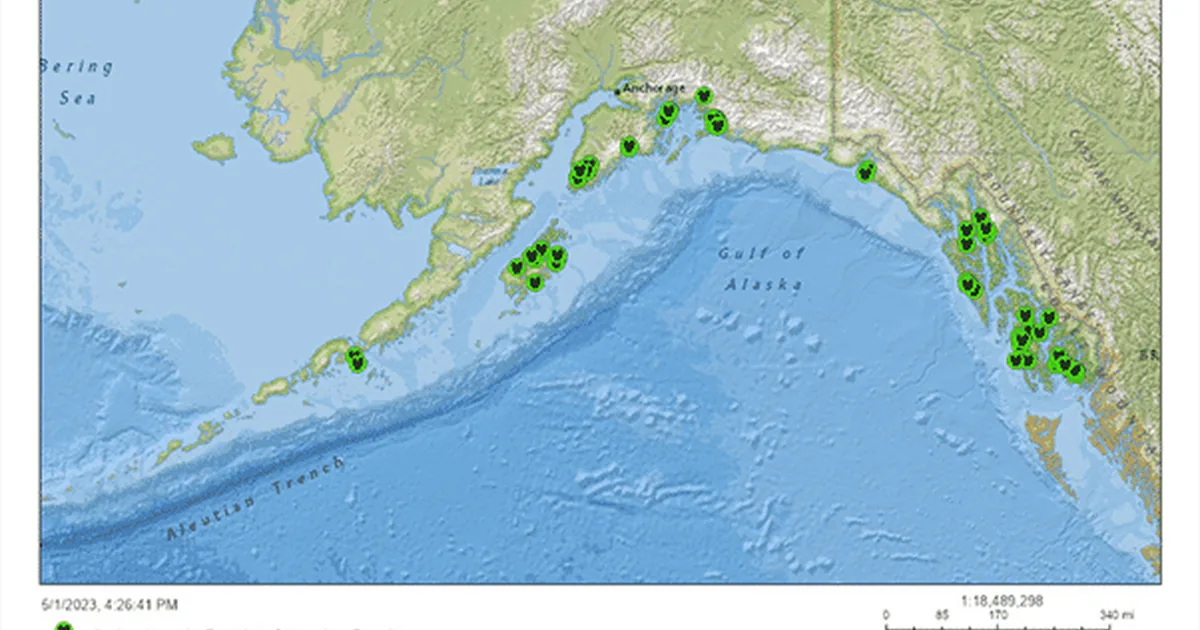
A groundbreaking project that will map out the technological landscape of Alaska’s seaweed and oyster farming sectors, as well as their supply chains, has been launched this month.
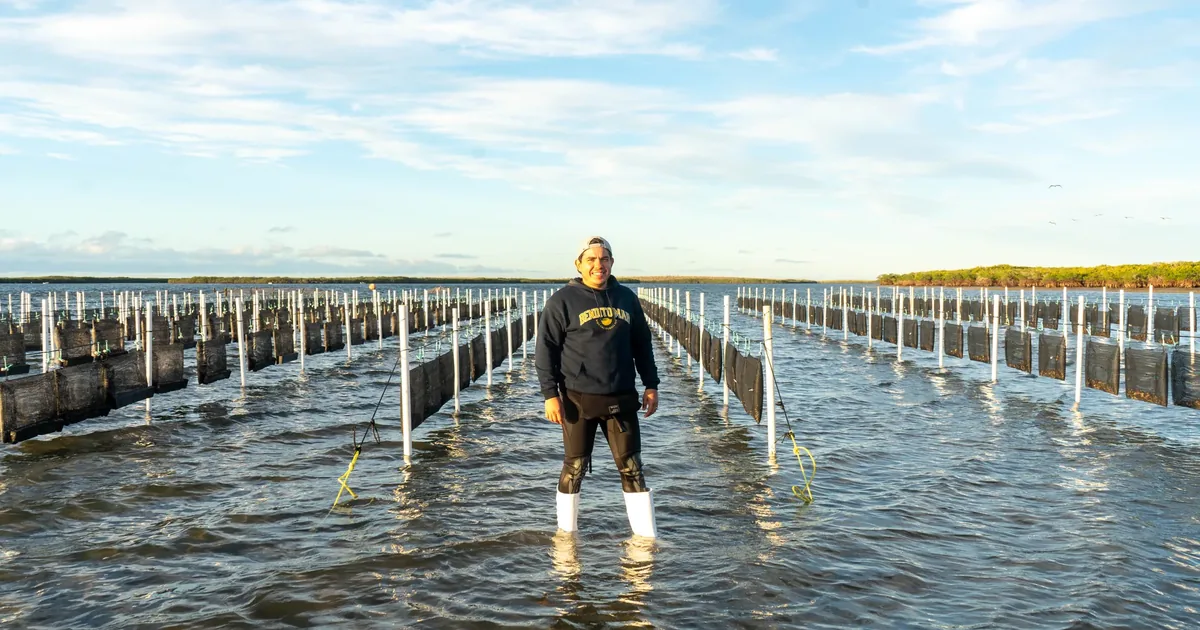
Alan Espinoza, founder of Bendito Mar, is determined to transform Mexico’s shellfish farming sector in order to improve the environment and create new livelihoods for people in fragile former fishing…
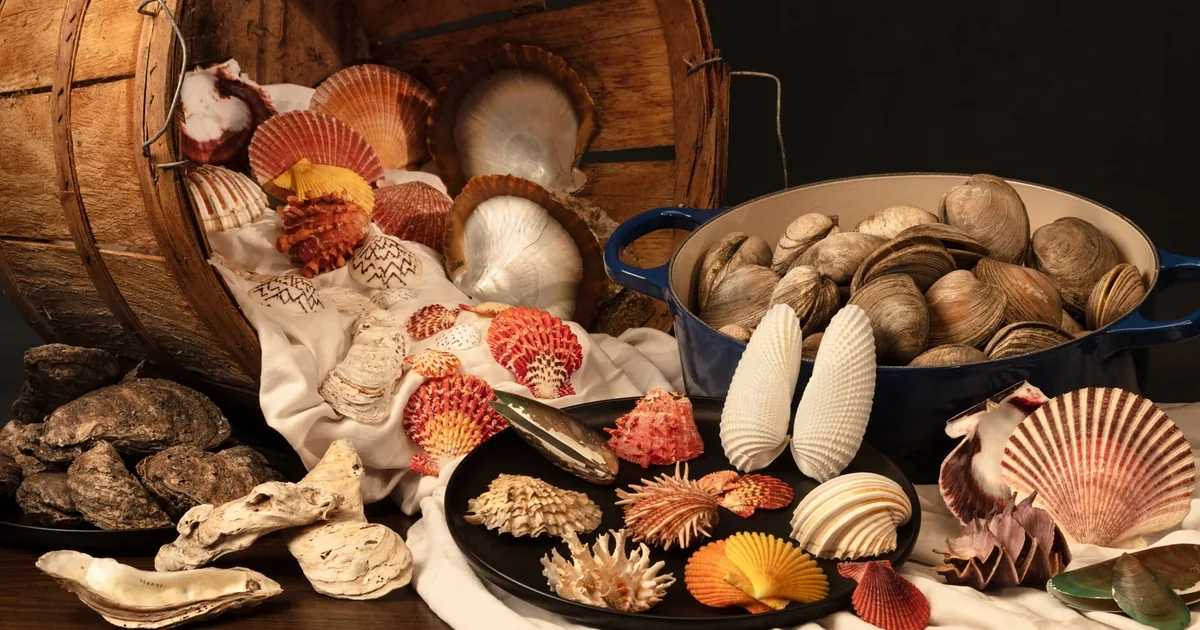
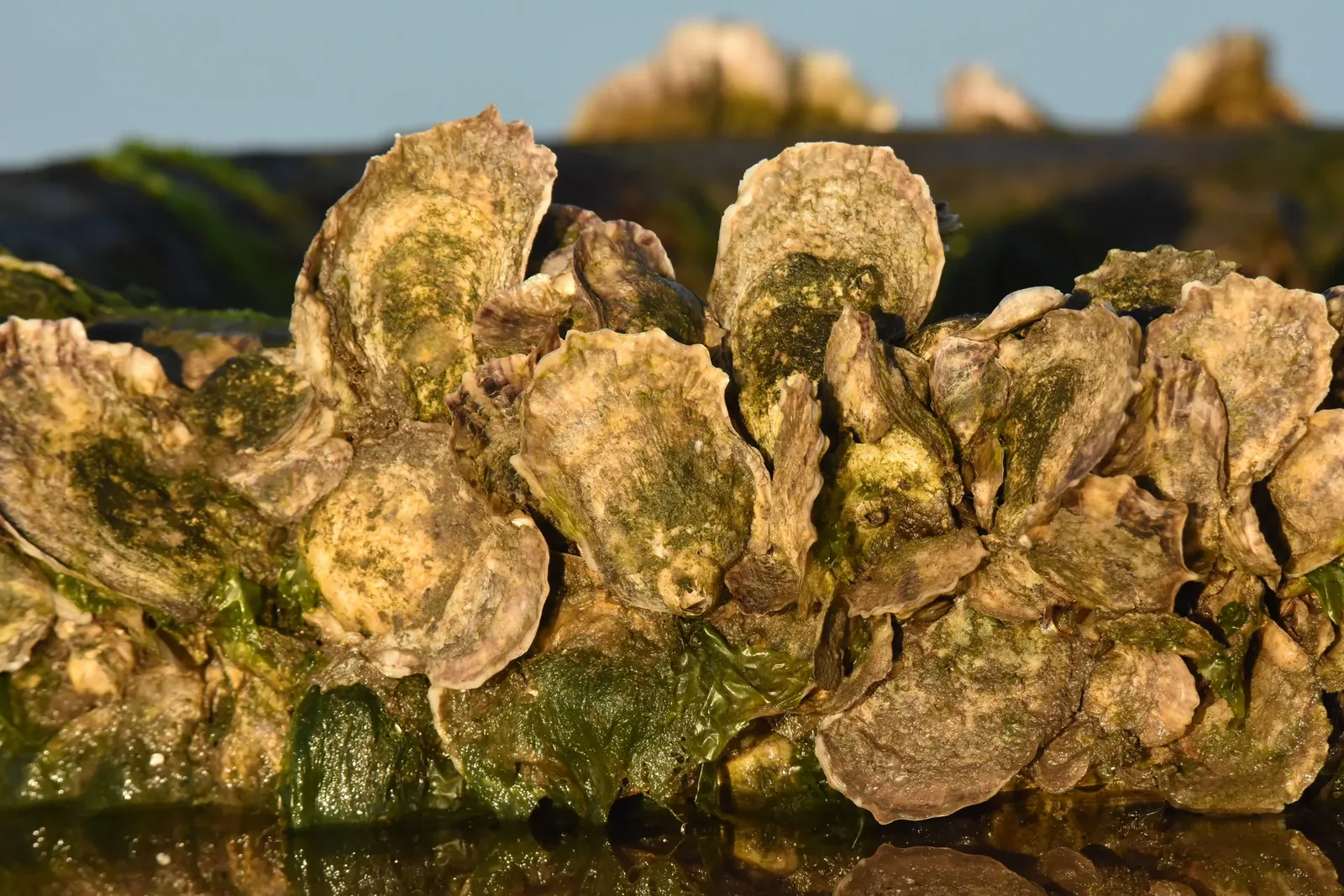
A new study has revealed that humans currently harvest over 800 species of bivalve shellfish and that that many of the more popular ones are more resilient to climate change, despite being more…
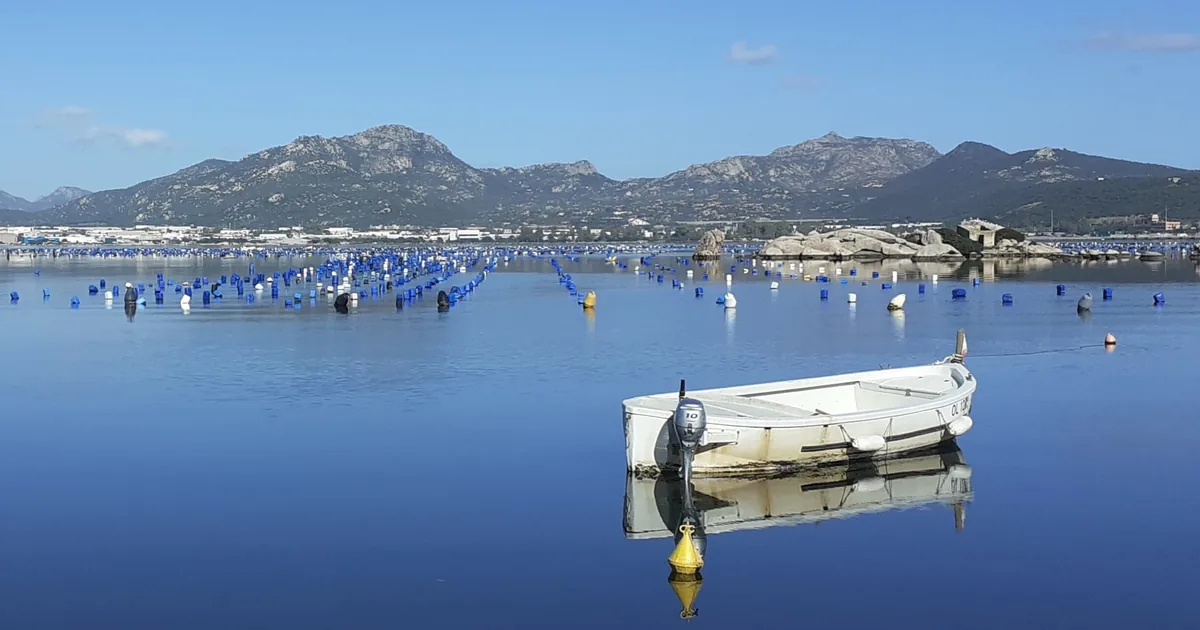
Researchers from the UK and Italy met in early February at a workshop in Sardinia aiming to identify and prioritise the challenges and research needs for aquaculture development on the Mediterranean…
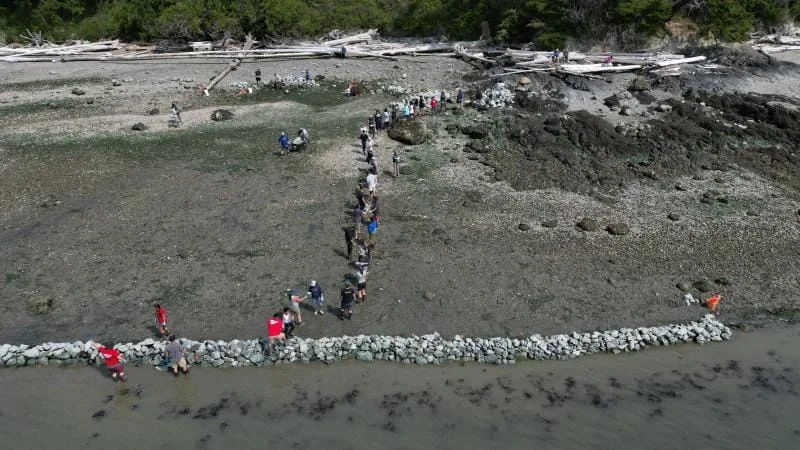
The Swinomish Indian Tribal Community is using funding from NOAA to build the first modern clam garden in the US, reviving a 3,500-year-old indigenous aquaculture tradition in Washington state.
Aine O'Donnell and Aine-Lisa Shannon are bringing aquaculture to Ireland's primary schools as part of the Bord Iascaigh Mhara (BIM) Aquaculture Remote Classroom (ARC), a mobile classroom that…
The University of Maryland Center for Environmental Science (UMCES) has been awarded a $7.5 million grant from NOAA to lead a project to advance innovative ways to control harmful algal blooms…
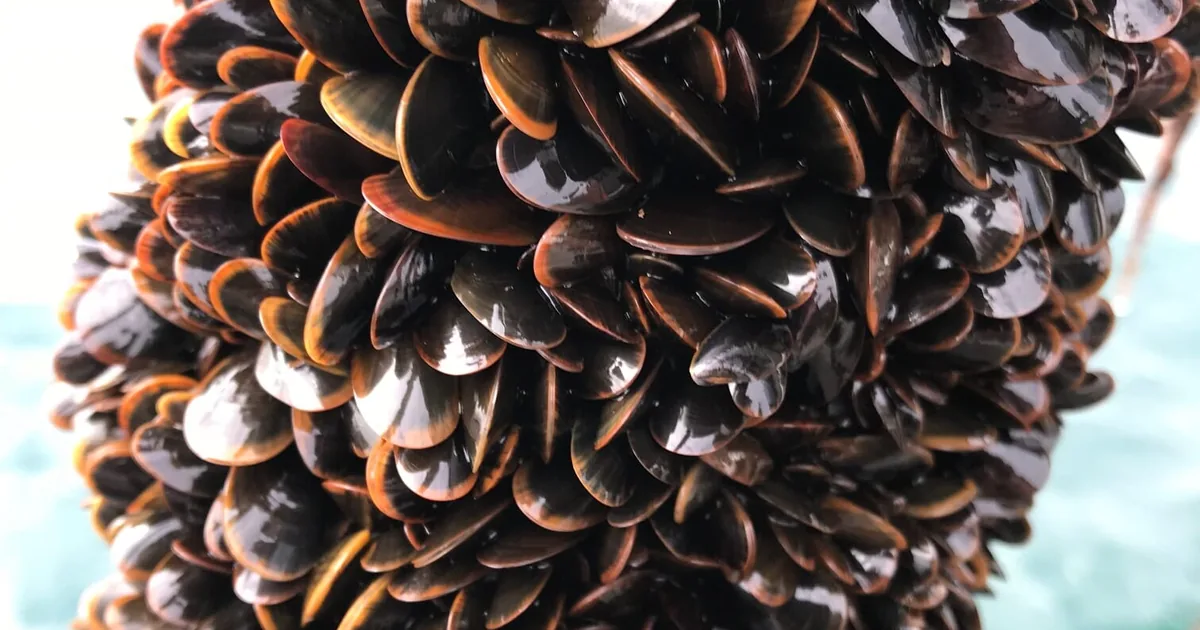
While the oceans are still hugely efficient at producing bivalves such as mussels and oysters, it would be complacent not to consider a future when producing them in urban environments had its…
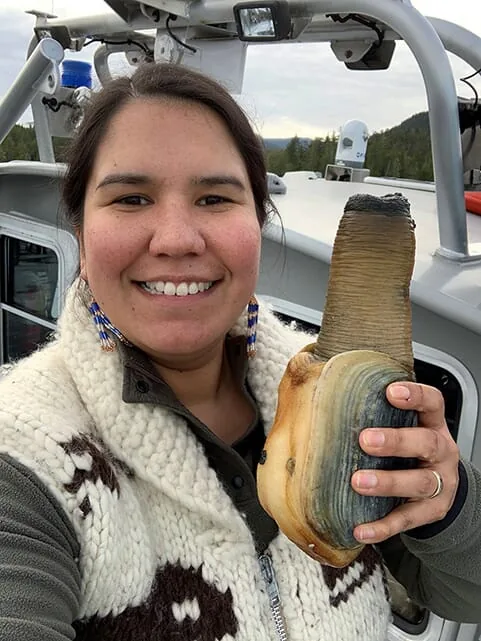
Scientists from North Island College (NIC) will be working with the First Nations in the Central Coast Commercial Fisheries Association to find strategies to increase geoduck aquaculture on British…
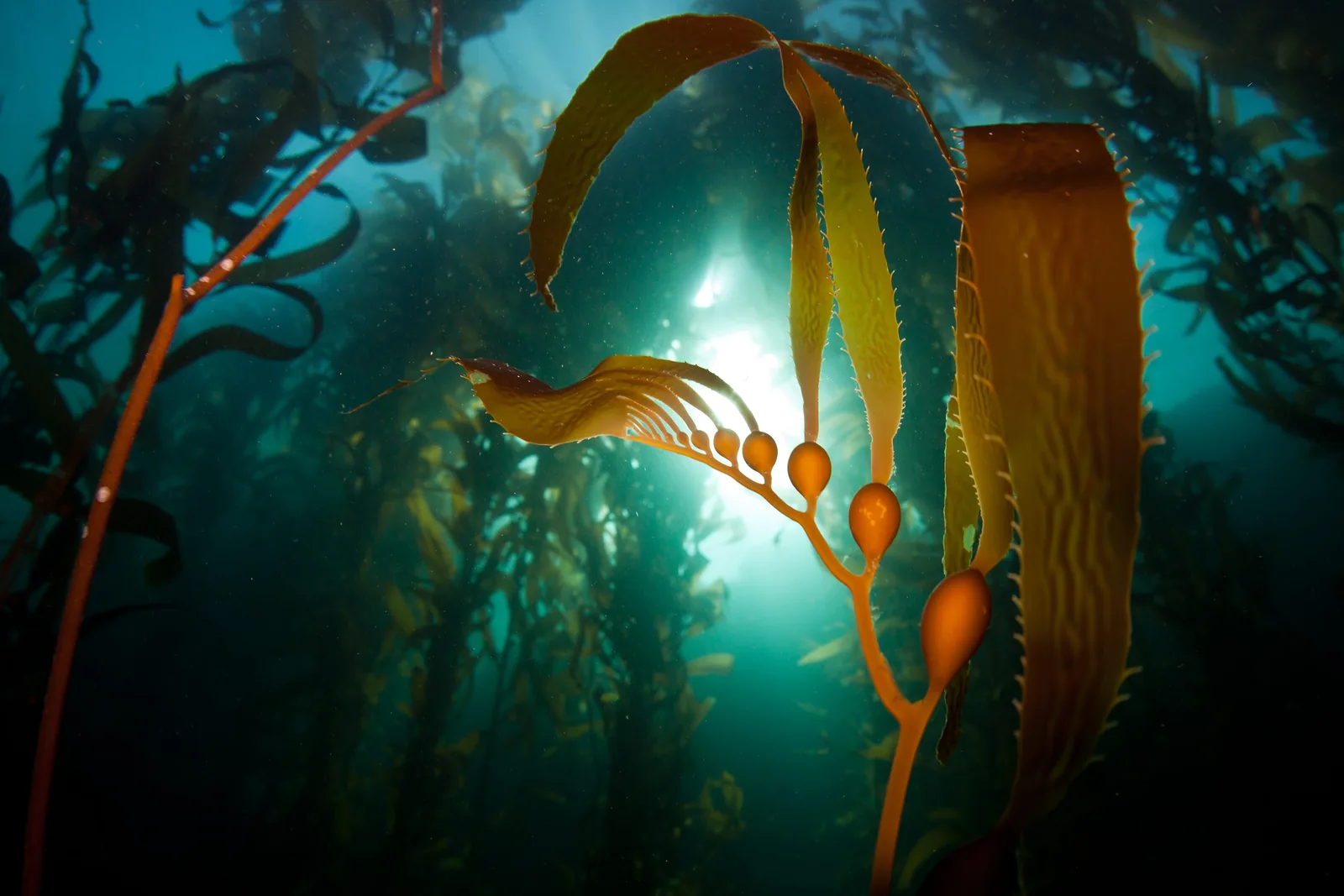
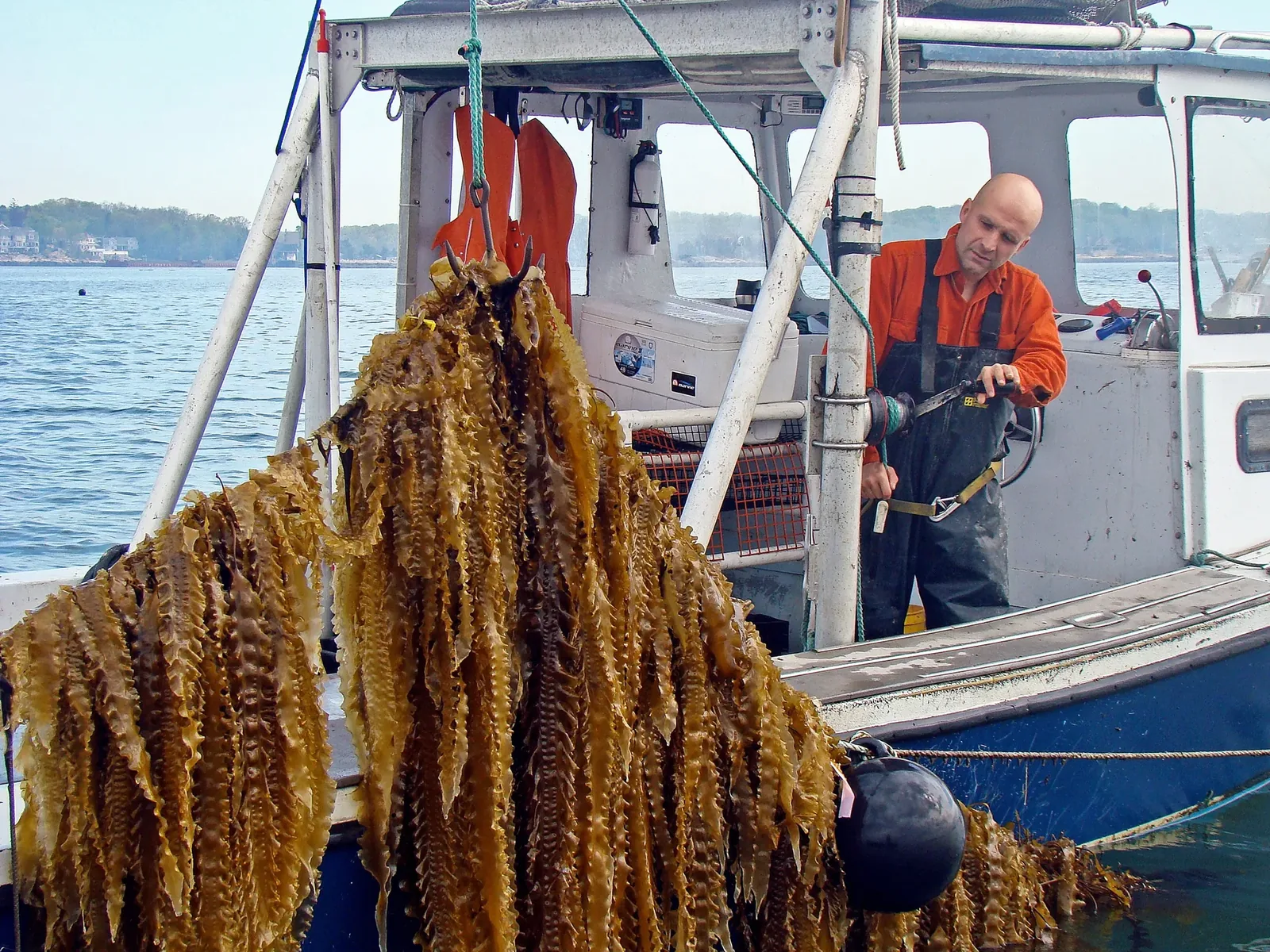
An emerging study from Stony Brook University in the United States has found that growing kelp can reduce ocean acidification and protect wild and farmed bivalve populations.
Aquaculture’s technology spotlight tends to focus on offshore cages, satellites, AI sensors and recirculating aquaculture systems (RAS) for major finfish species – but this narrative overlooks…
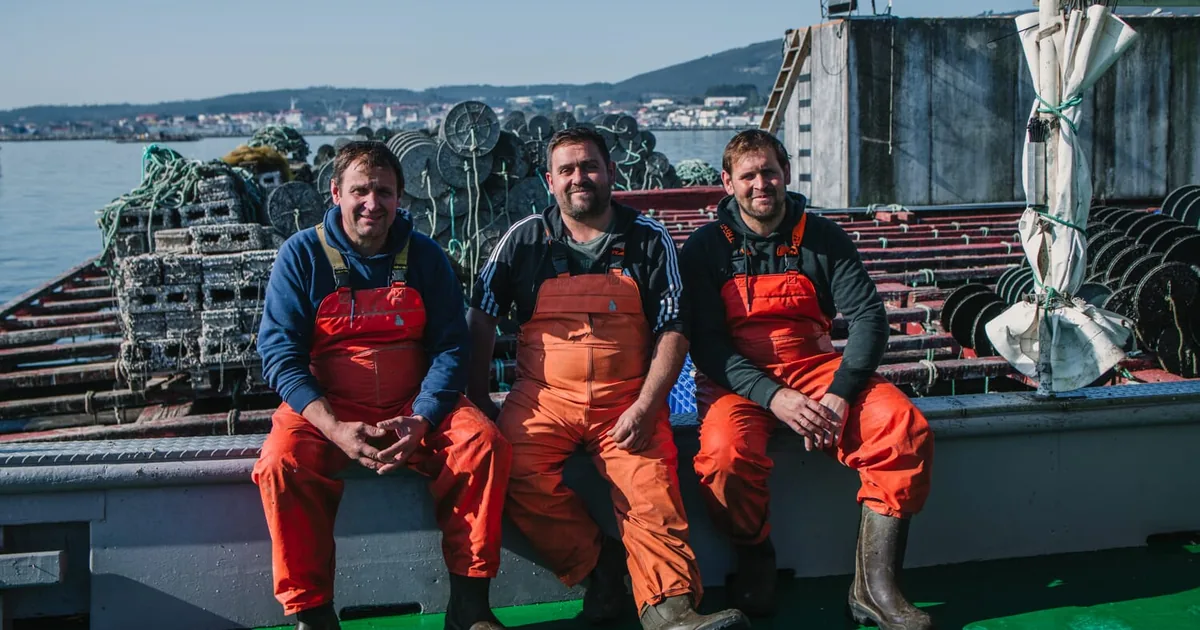
The three Fernandez Muniz brothers are pioneering a new form of shellfish farming on Galicia’s Ria de Arousa – ongrowing clams in lantern nets in order to improve the fortunes of the thousands of…
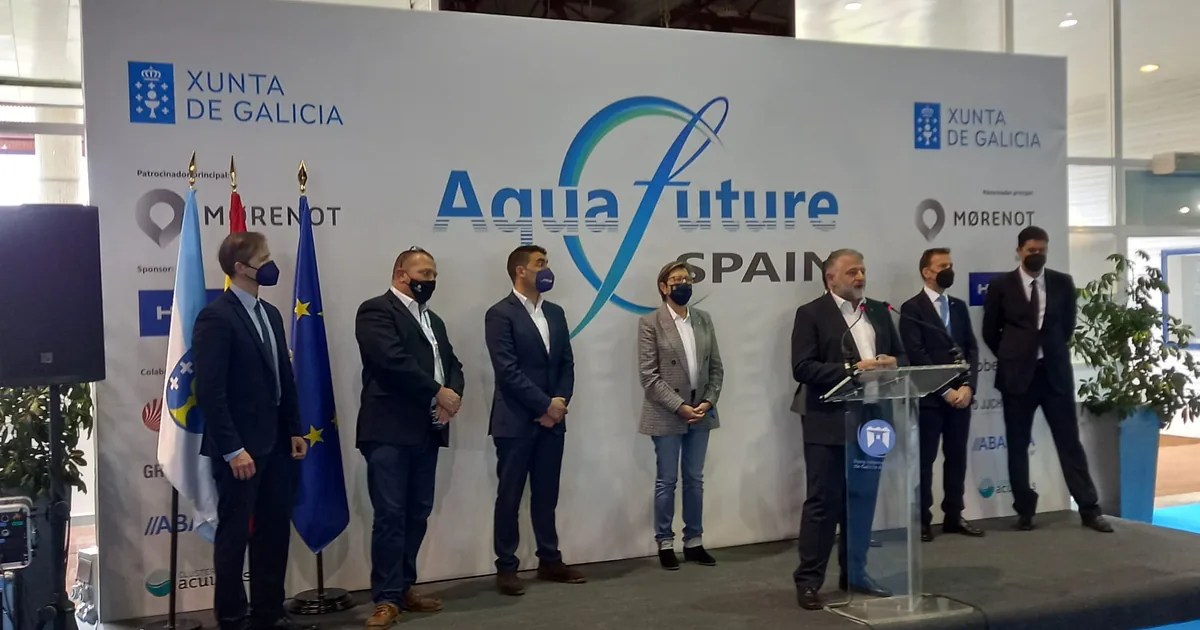
The organisers of the inaugural edition of the AquaFuture Spain exhibition, which took place in Galicia last week, have pledged to hold the second edition of the event in 2023.
A new survey that aims to help the seafood sector develop novel products that encourage more people to eat species such as clams and mussels, as part of a healthy and sustainable diet, is currently…
Pacific Hybreed has secured a $800,000 investment which will allow it to increase production capacity and execute the next phase of its breeding programme to enhance the resilience and supply of…
We use cookies to improve your experience, analyse site traffic and understand where our audience comes from. Accept all cookies, or continue with only those essential to running the site. See our Privacy & cookie policy.