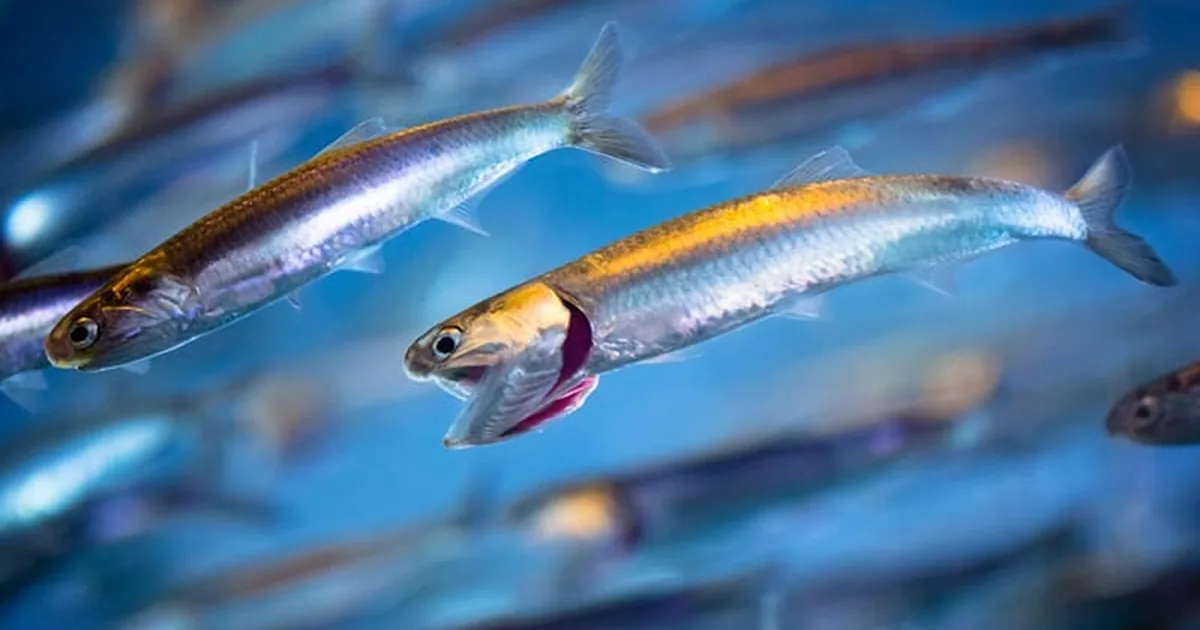
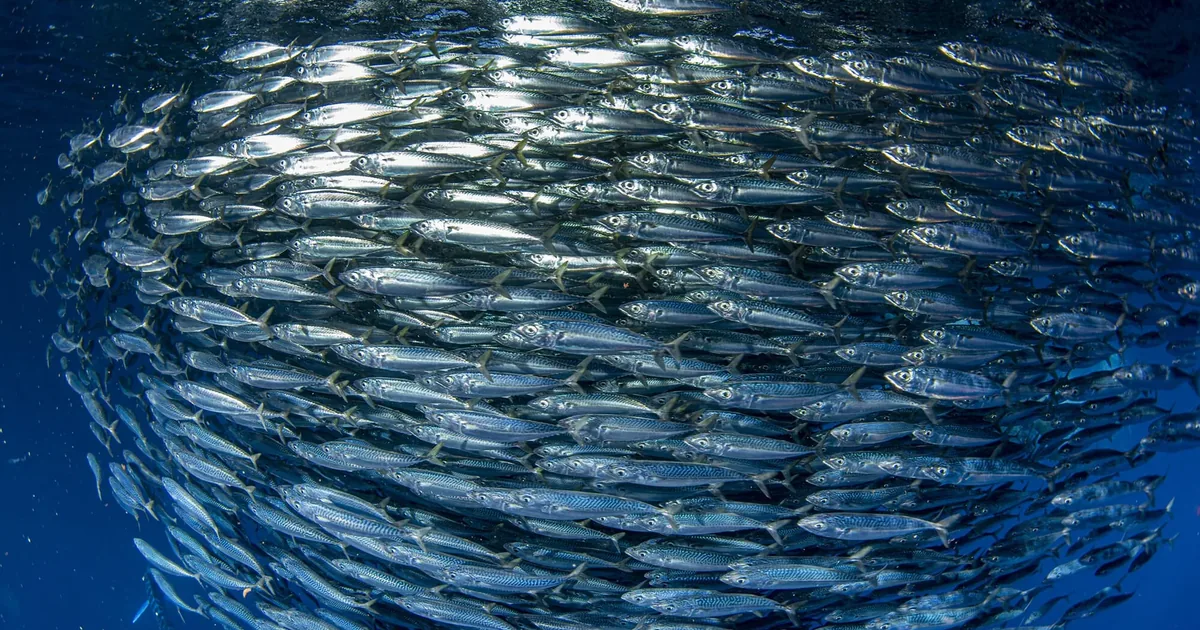
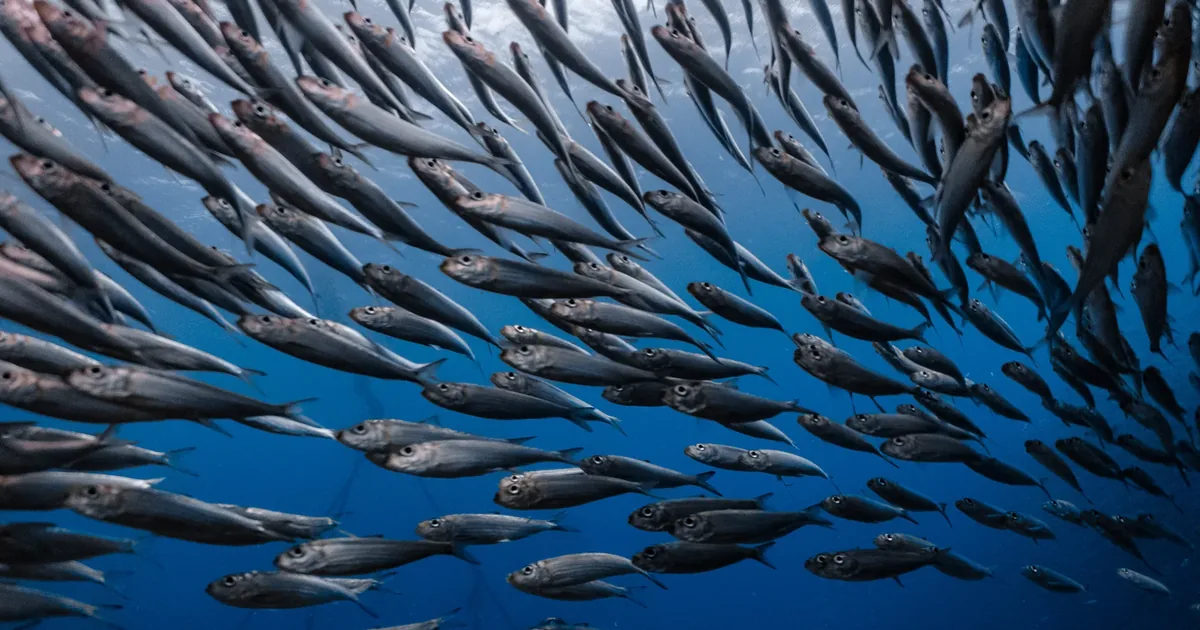
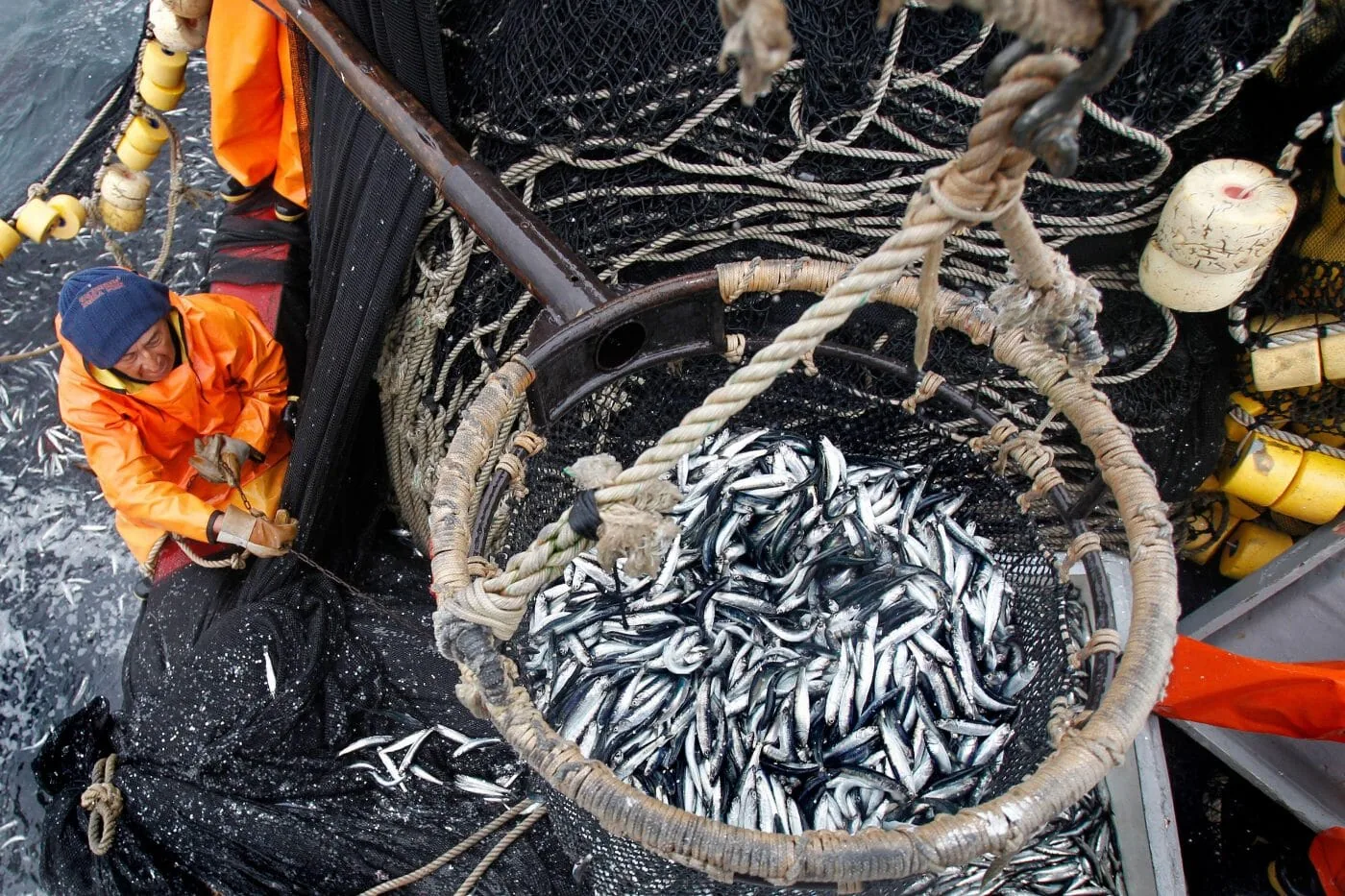
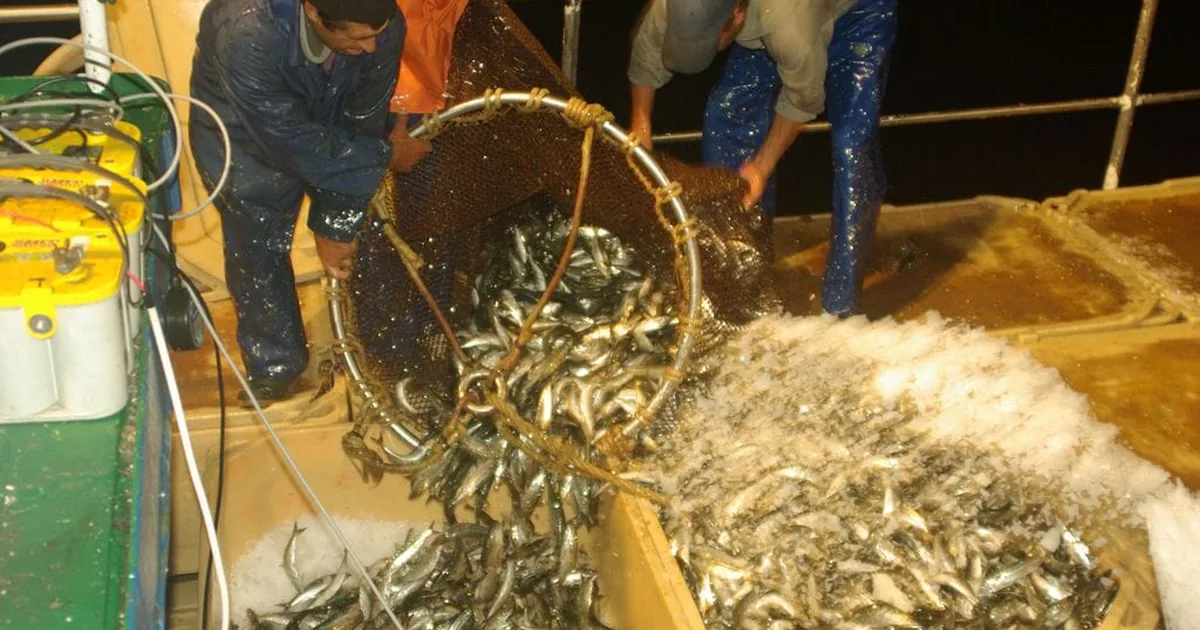
The El Niño climate pattern is expected to trigger severe marine heatwaves, leading to a significant decline in Indian oil sardine availability in 2027, according to the ICAR-Central Marine Research…
A new report calls for West Africa to move from raw fish exports to value-added processing, as small pelagics underpin both local diets and aquafeed production.
Researchers at the AZTI Technology Centre have developed a genetic method for the rapid identification of prey species found in fish stomachs, facilitating greater understanding of prey inventories…
Scientists have found that farmed salmon production leads to an overall loss of essential dietary nutrients and that forage fish such as sardines, which are often converted into aquafeeds, should be…
The sixth workshop for the IFFO, The Marine Ingredients Organisation, is set to explore the value points and global market dynamics of marine ingredients on 12 December in Guangzhou, South China.
A new interactive resource page has been launched by MarinTrust to provide information on the completed and on-going improvement projects relating to marine ingredient fisheries around the world.
Standardisation of data, collaboration and assurances are essential to ensure that seafood, including the marine ingredients that are used in aquafeeds, are more transparent, traceable and…
The world’s fishmeal production in the first two months of 2023 is 55 percent higher than during the same period in 2022, according to the latest report from IFFO.
The role that aquatic foods can play to help to tackle malnutrition, cardiovascular disease and climate risk is still underappreciated, according to a new Blue Food Assessment paper.
The latest analysis from the IFFO explores both the supply and demand of marine ingredients for 2022 and early 2023 – finding that fish oil supplies are increasing as fishmeal production is trending…
Analysis from Rabobank notes that high prices for competing commodities is supporting prices for fish meal and fish oil – but this support may ease slightly further into 2023.
Aquaculture’s growth rate peaked in 1996, and now it’s in decline, according to a newly published paper by researchers from the University of British Columbia (UBC).
A French startup has started producing a novel material – Scalite – that’s made entirely from farmed tilapia scales and can be used as an attractive and environmentally sustainable alternative to…
Data released from the IFFO from January to March 2022 shows lower year-on-year use of fishmeal and fish oil and reviews the start of China's aquaculture cycle.
Directly eating small pelagic fish rather turning them into aquafeed for farmed salmon could prevent the harvest of nearly 4 million tonnes of fish, while simultaneously providing an extra 6 million…
According to the latest data from IFFO, the marine ingredients organisation, cumulative fish meal production for 2021 has increased by 5 percent, while cumulative fish oil production is up by 8…
Petter M Johannessen, director general of the IFFO, believes that marine ingredients play a crucial role in developing aquafeeds with a low carbon footprint.
“Aquatic foods, which include plants, animals, and microorganisms, are the closest thing we have to a ‘nature-based solution’ to the complex challenges of transforming our current food system to one…
A panel of leading policymakers and researchers has emphasised the value of diverse aquatic foods as key components of sustainable healthy diets and as drivers of food security in the Global South.
A Chinese-owned fishmeal factory in The Gambia has been torched by youths, who are becoming increasingly disaffected by a raft of problems associated with the fishmeal industry in the West African…
The Portuguese government has backed plans to establish a sardine aquaculture industry, following the collapse of the sardine fishery in the Bay of Biscay.
Due to concerns over the pollution they generate and the impact they have on local forage fish stocks and the fishermen who traditionally rely on them, in the last few weeks, fisheries…
We use cookies to improve your experience, analyse site traffic and understand where our audience comes from. Accept all cookies, or continue with only those essential to running the site. See our Privacy & cookie policy.