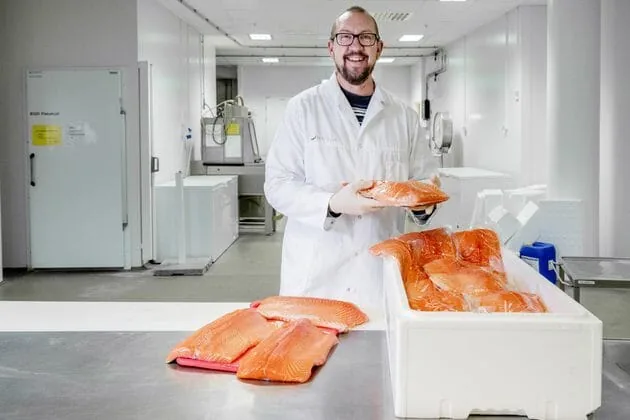
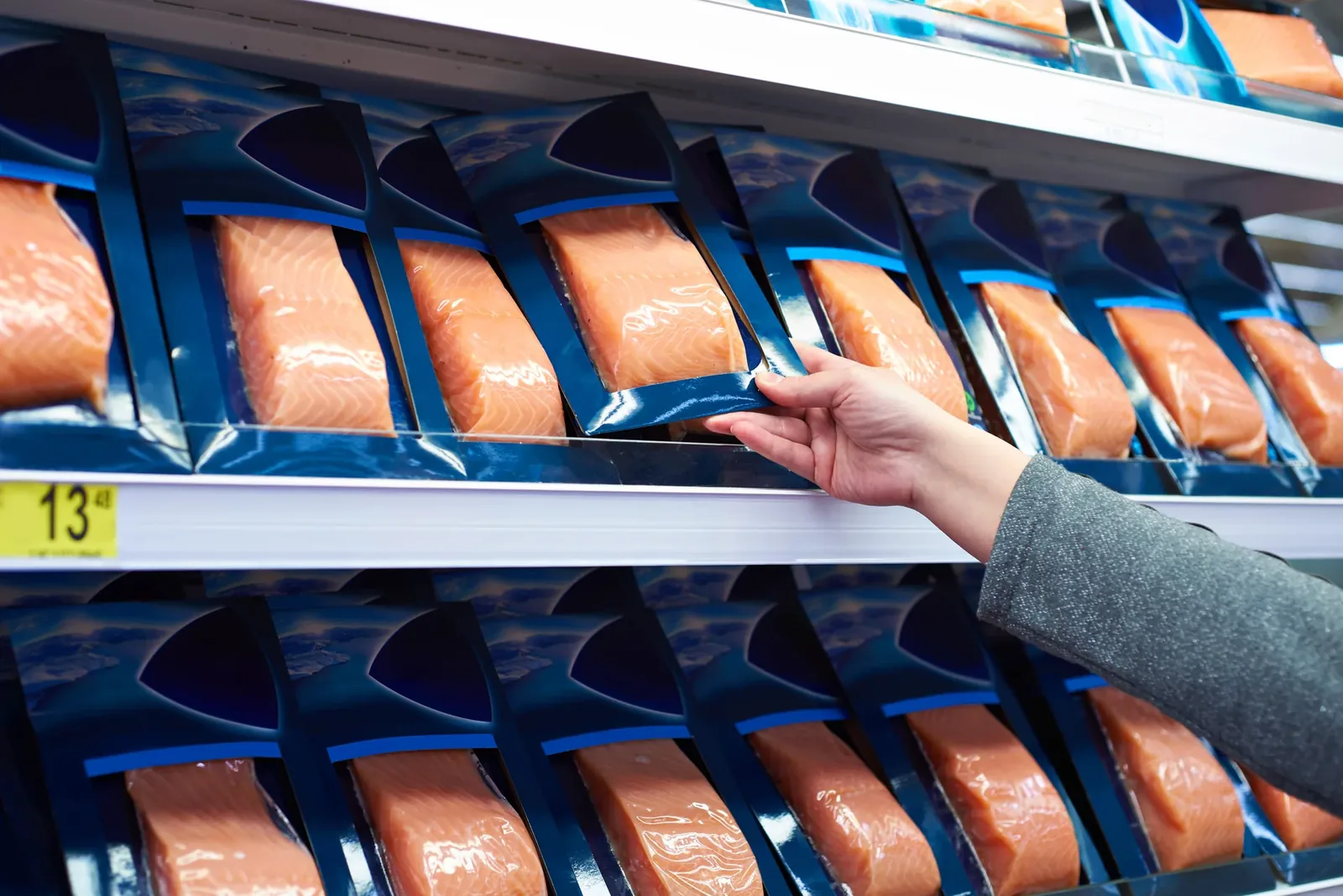
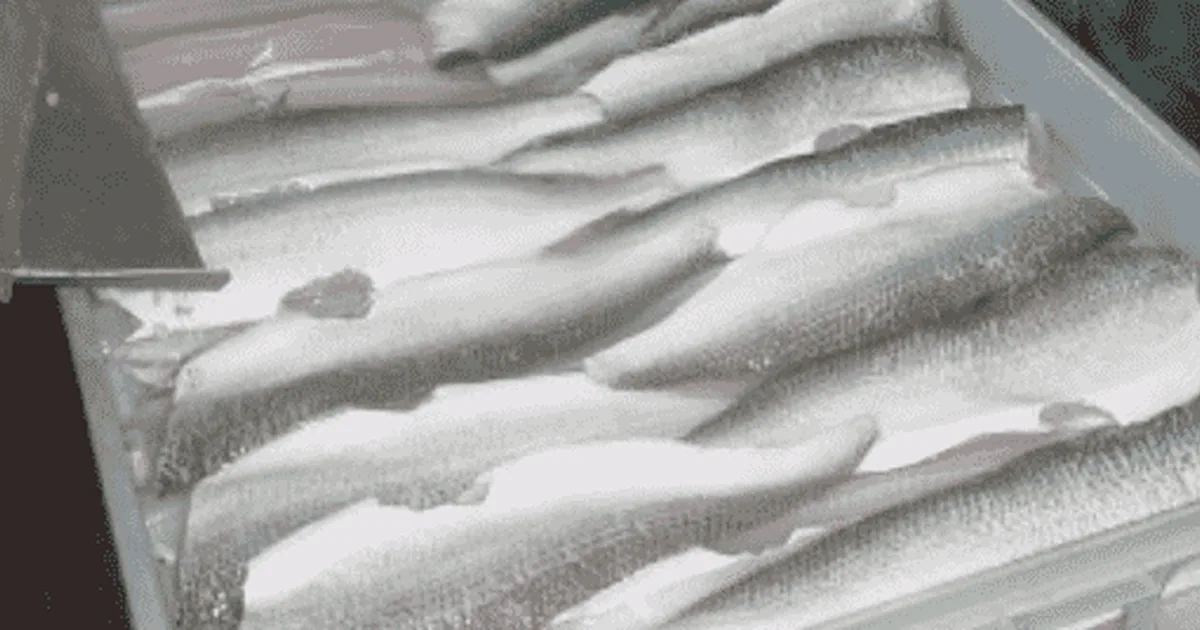
The partnership will help scale a new technology that extends the shelf life of seafood like salmon, aiming to drive economic efficiency and sustainability in the sector by reducing post-harvest…
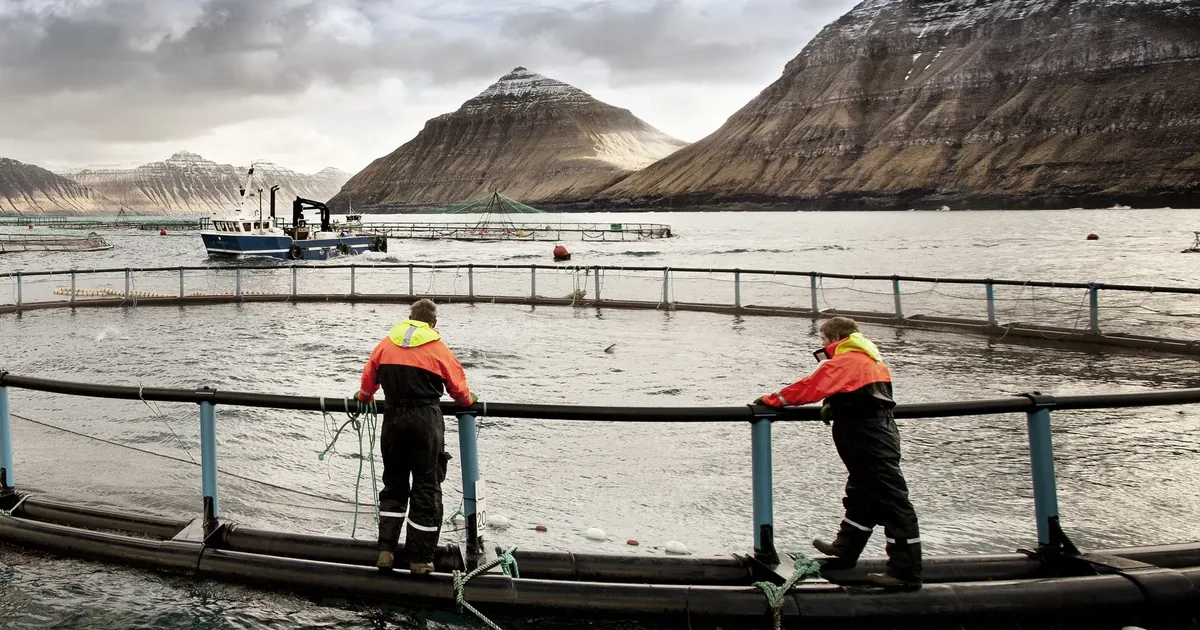
The UK supermarket chain Iceland has noted a significant boost in the sales of its seafood ready meals following the addition of Aquaculture Stewardship Council (ASC) and Marine Stewardship Council…
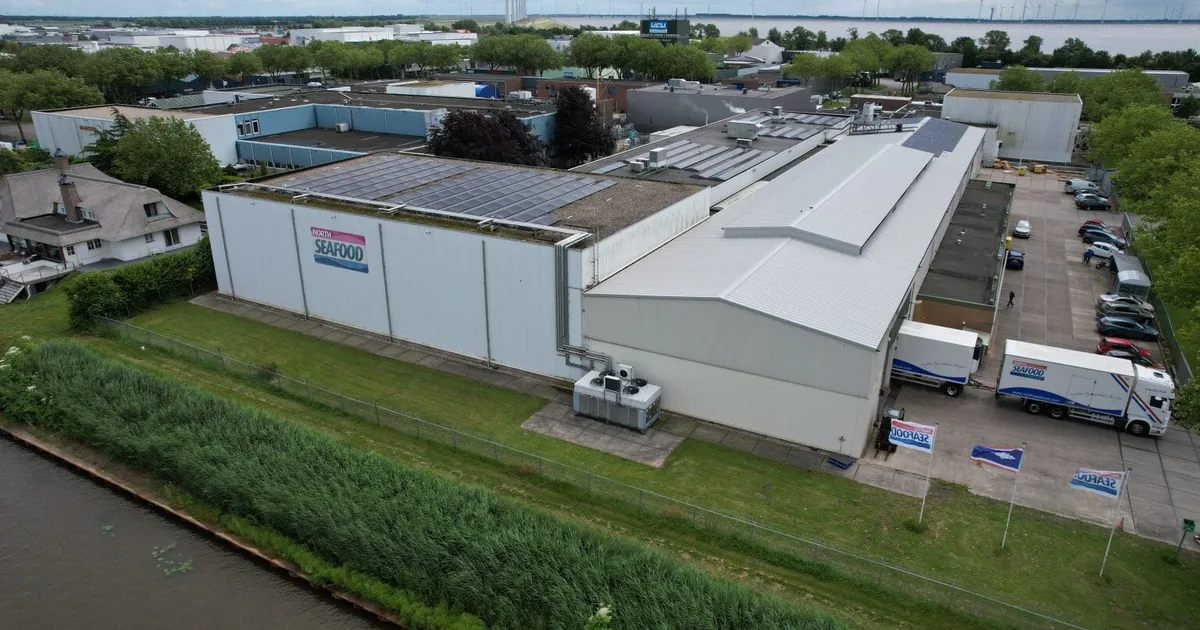
Japanese seafood company Kyokuyo has acquired a majority stake in the Dutch seafood processing company Northseafood Holland as part of a strategic move to establish a presence in Europe.
A new comprehensive consumer research study from the Aquaculture Stewardship Council has revealed consumer perceptions and behaviours regarding sustainable seafood products.
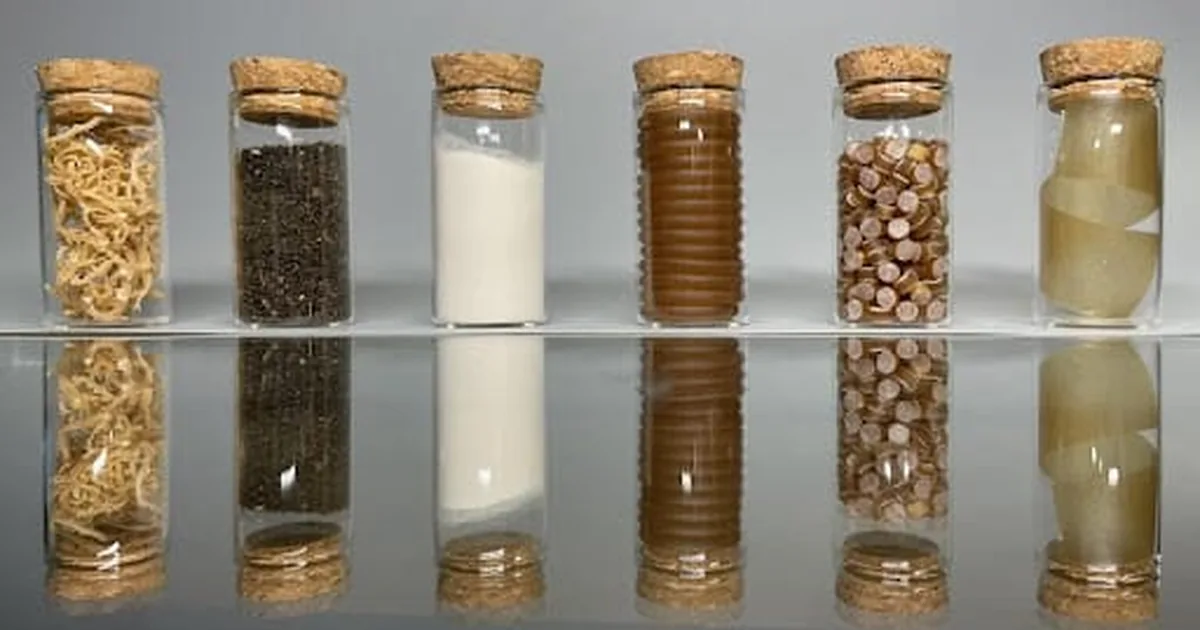
Sway - a California-based bioplastic producer - has unveiled a new ground-breaking technology that they hope will facilitate the production of seaweed-based bioplastics at a commercial scale.
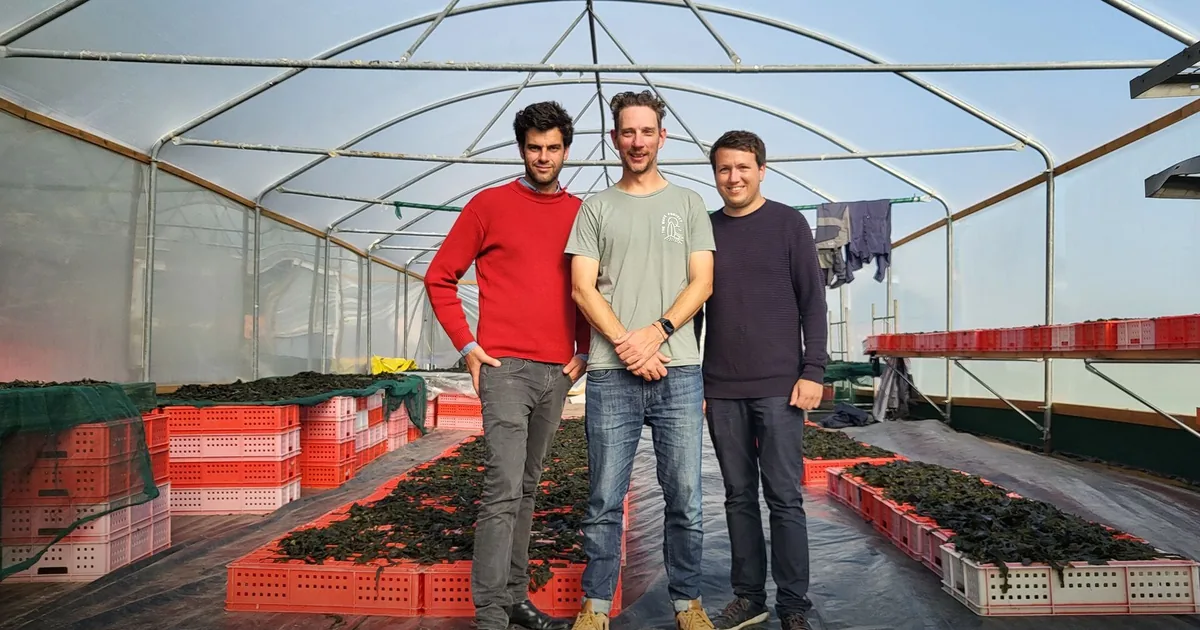
Investment in seaweed production – not processing – urgently needs to be prioritised, according to leading industry analyst and Phyconomy founder Steven Hermans.
A rash of lawsuits against retailers who make contentious claims about the sustainability of their products, including farmed seafood, suggests that both the retailers themselves, and the third party…
In a bid to revolutionise the sustainable packaging industry, FlexSea - a blue biotech company that creates seaweed-based bioplastics - has announced the successful completion of a £3 million seed…
Peter Green, founder of Paxtier – an algae tech innovation newsletter and community – shares his thoughts on the sector’s most promising startups and some of the key emerging trends.
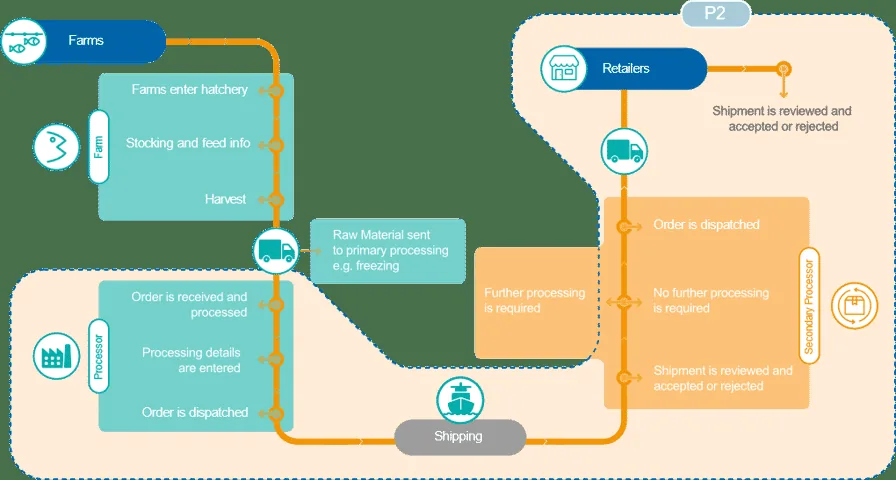
Digital traceability of ASC-certified shrimp products has become a reality with ASC’s Key Data Elements project that provides retailers with increased farm origin and supply chain data transparency.
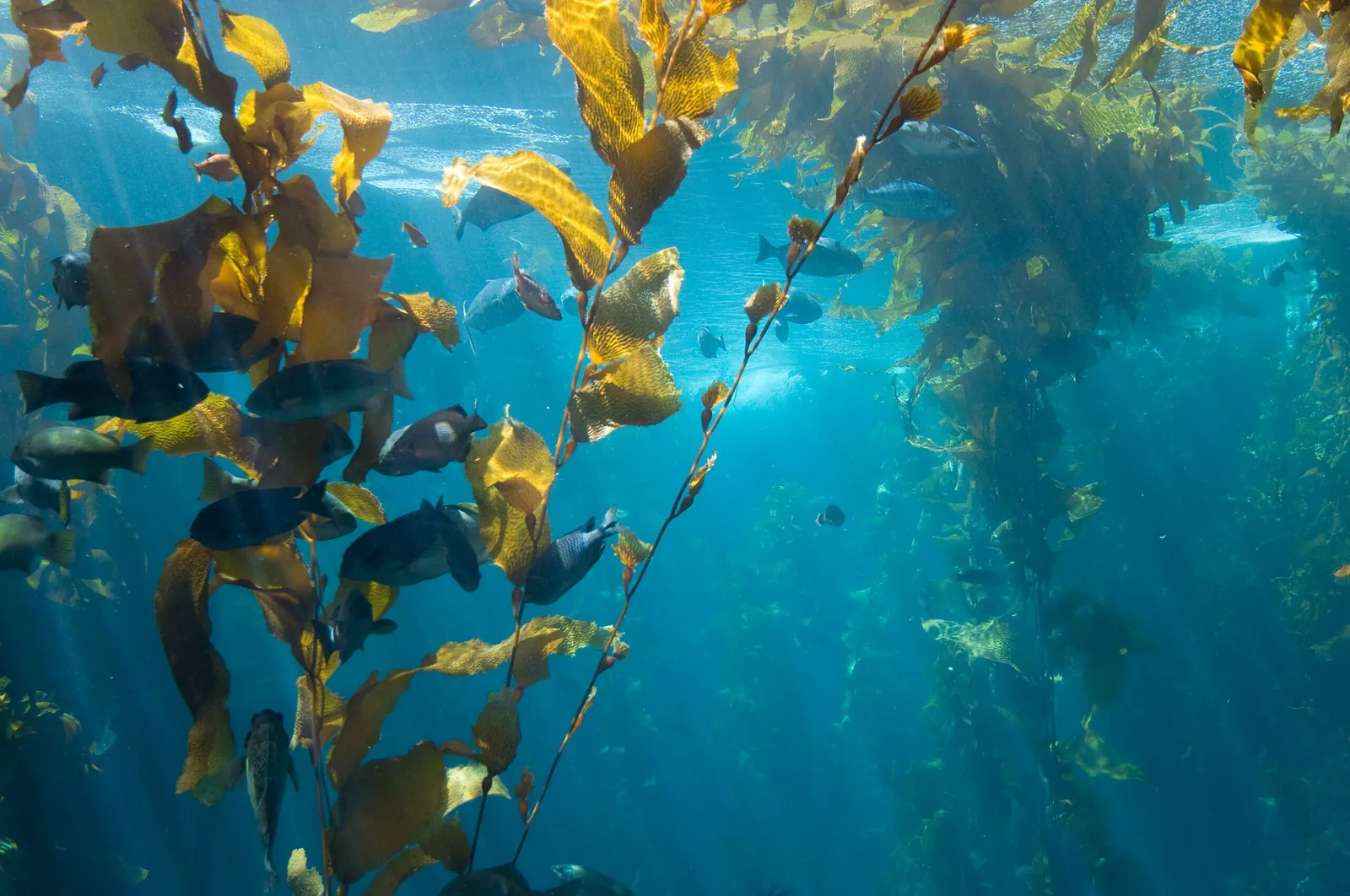
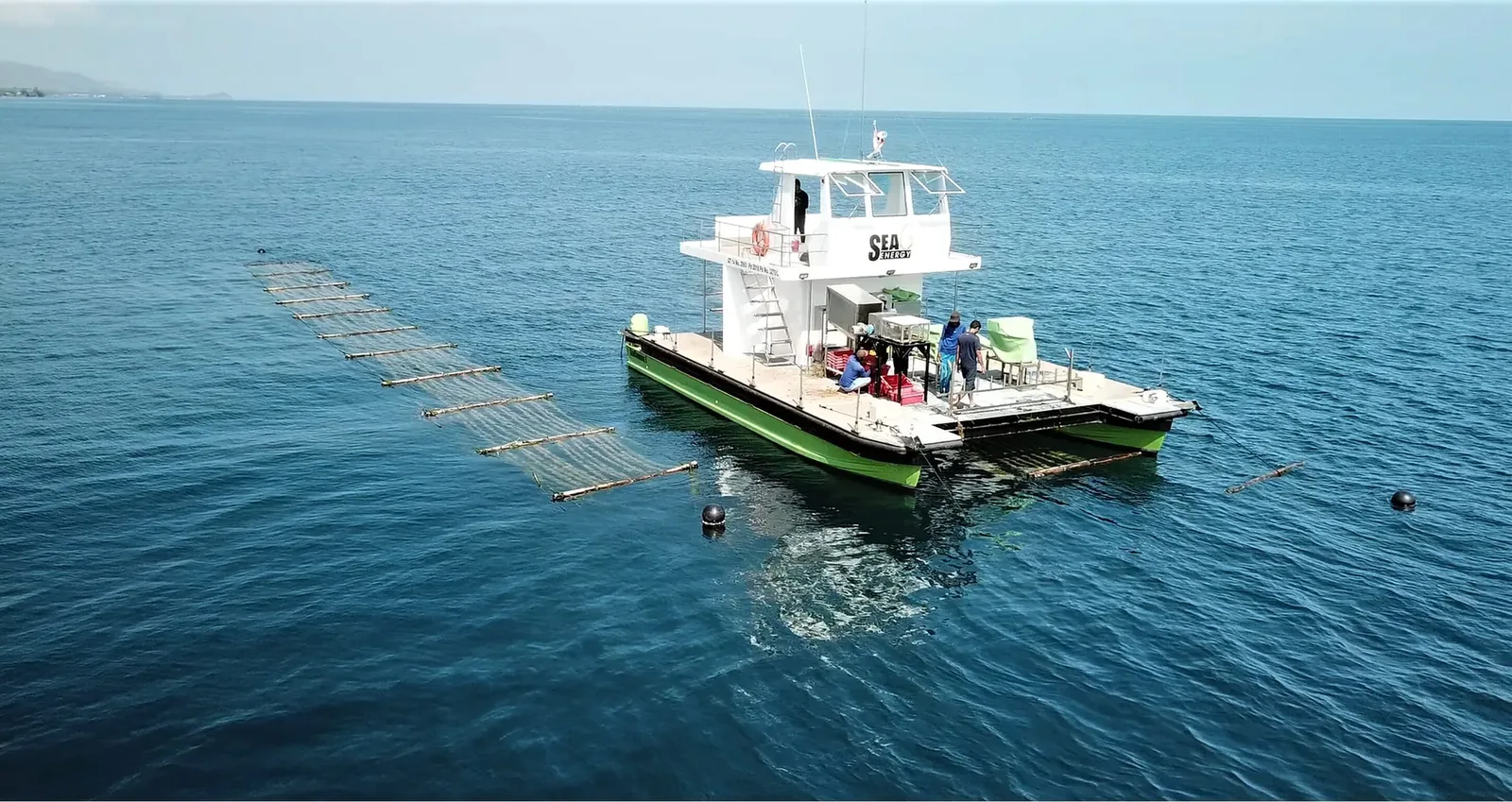
Seaweed aquaculture is increasingly being seen as a climate panacea, but despite its myriad of uses it may not live up to our climate remediation expectations – Professor Catriona Macleod explains…
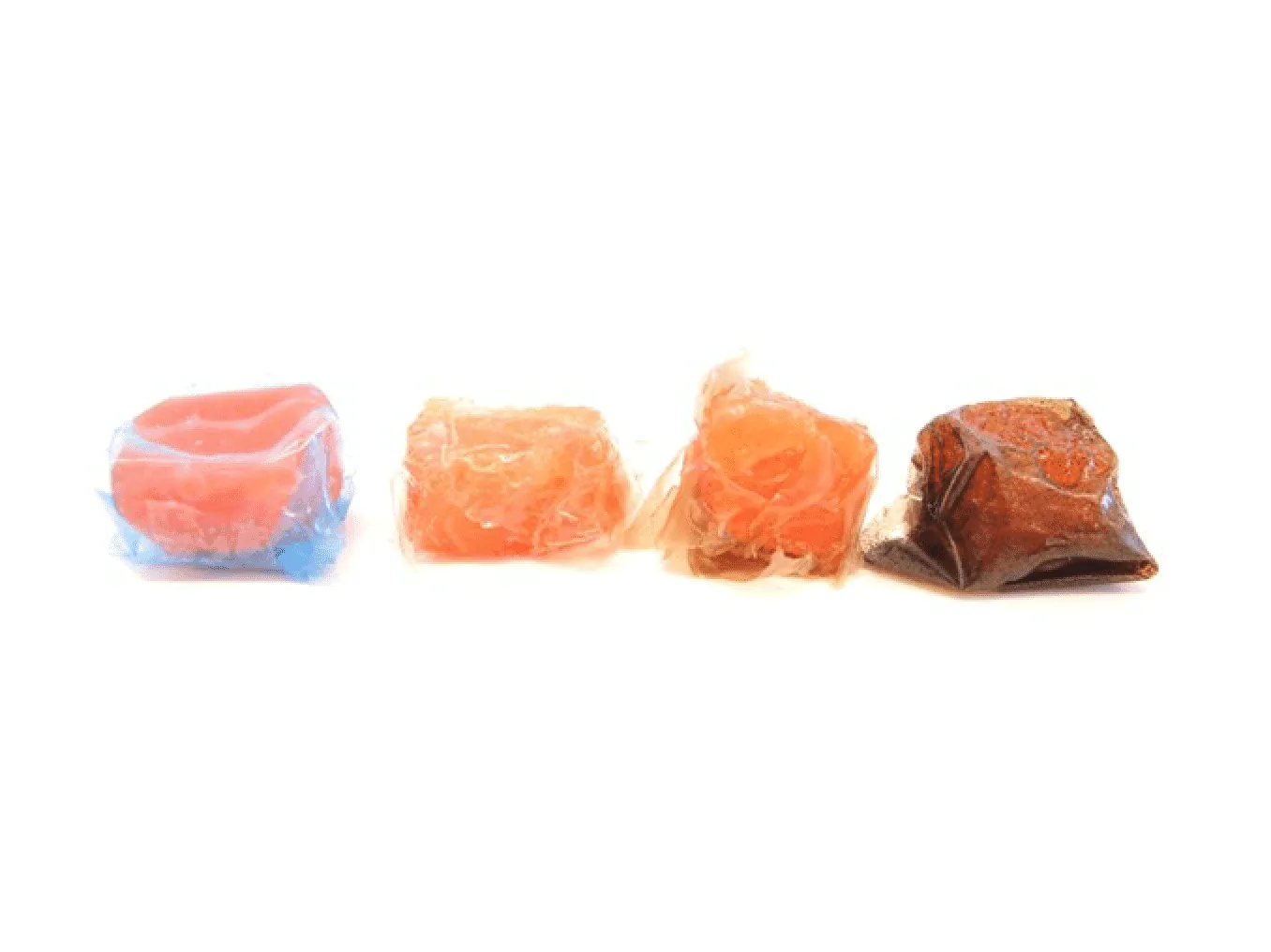
The EU-funded SeaFilm food packaging project has developed an algae-based and biodegradable edible film that can be used in lieu of single-use plastic film in food packaging.
A recent Nofima report has found that if all salmon produced in Norway was supercooled before transport, the industry could save NOK 1.5 billion (€142,963,245) each year in logistics costs.
The Global Dialogue on Seafood Traceability (GDST) has created a new software that can recognise and verify seafood products that meet the organisation’s traceability standards.
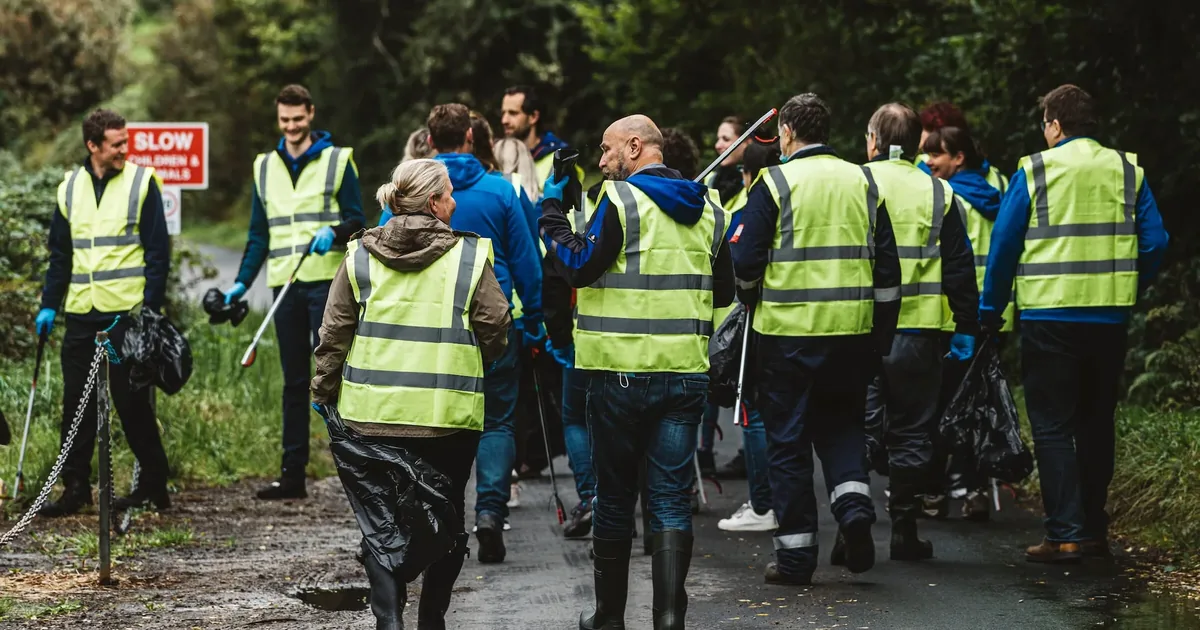
For the fifth year running, Scottish Sea Farms is taking part in the Great British Beach Clean, helping to clear debris from the coastline around Shetland, Orkney and the Scottish mainland.
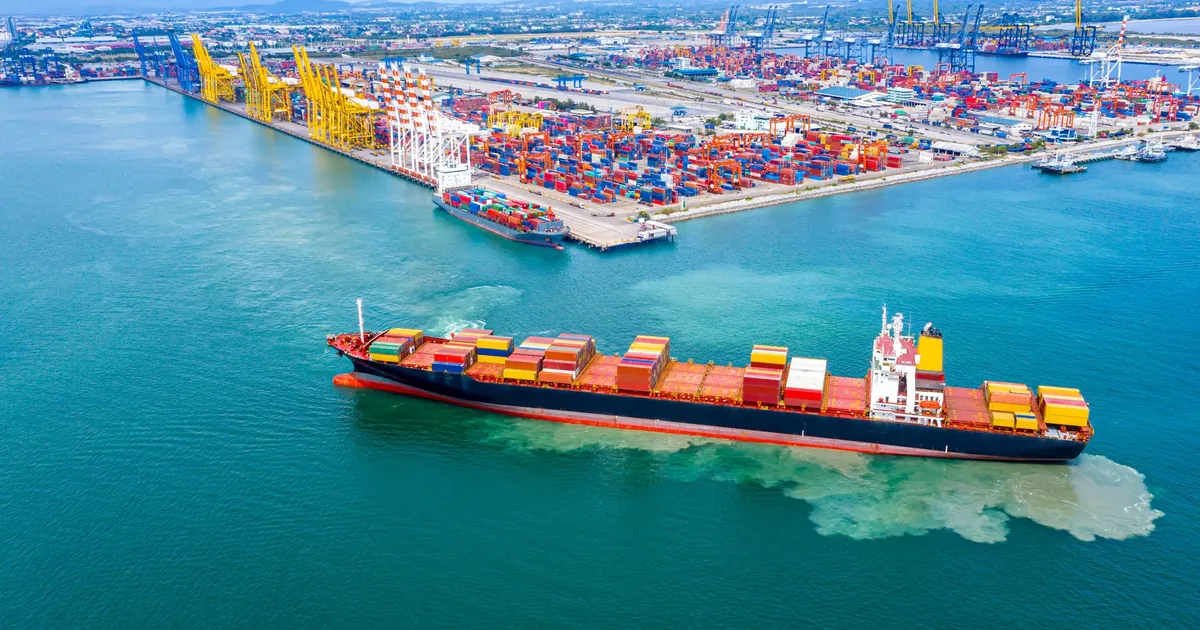
The US Food and Drug Administration (FDA) has kicked off the third phase of the Artificial Intelligence (AI) Imported Seafood Pilot programme, allowing port operators to leverage AI and machine…
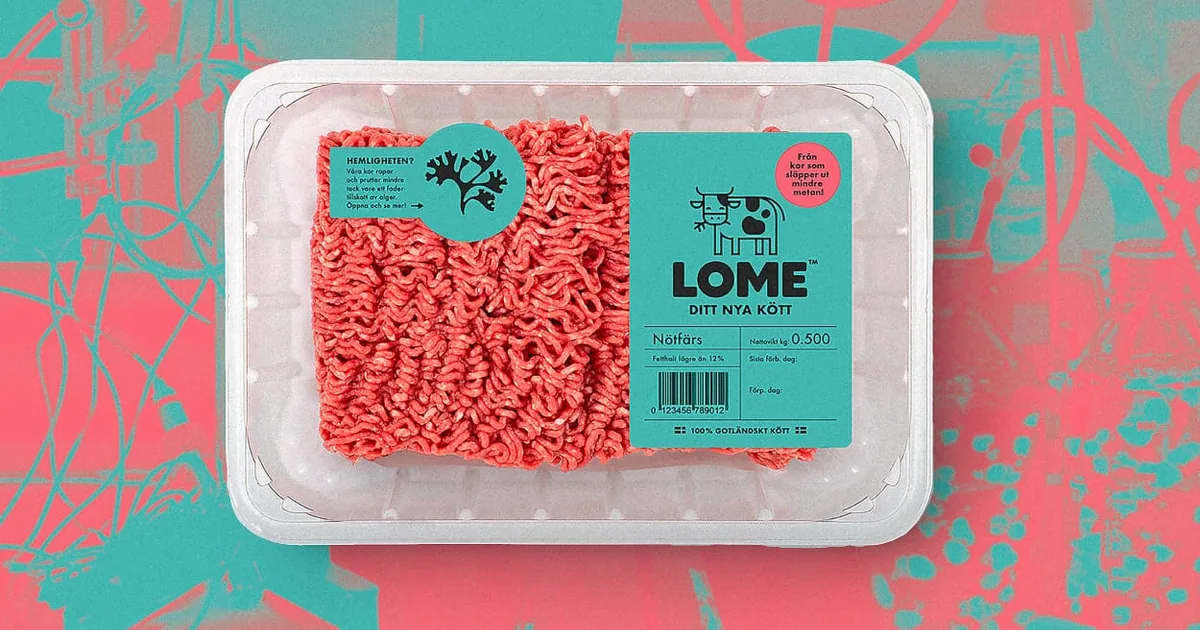
Swedish supermarket Coop is selling LOME, the world’s first “methane-reduced” beef, after sourcing beef from cows that were fed a new seaweed supplement from Volta Greentech that reduces enteric…
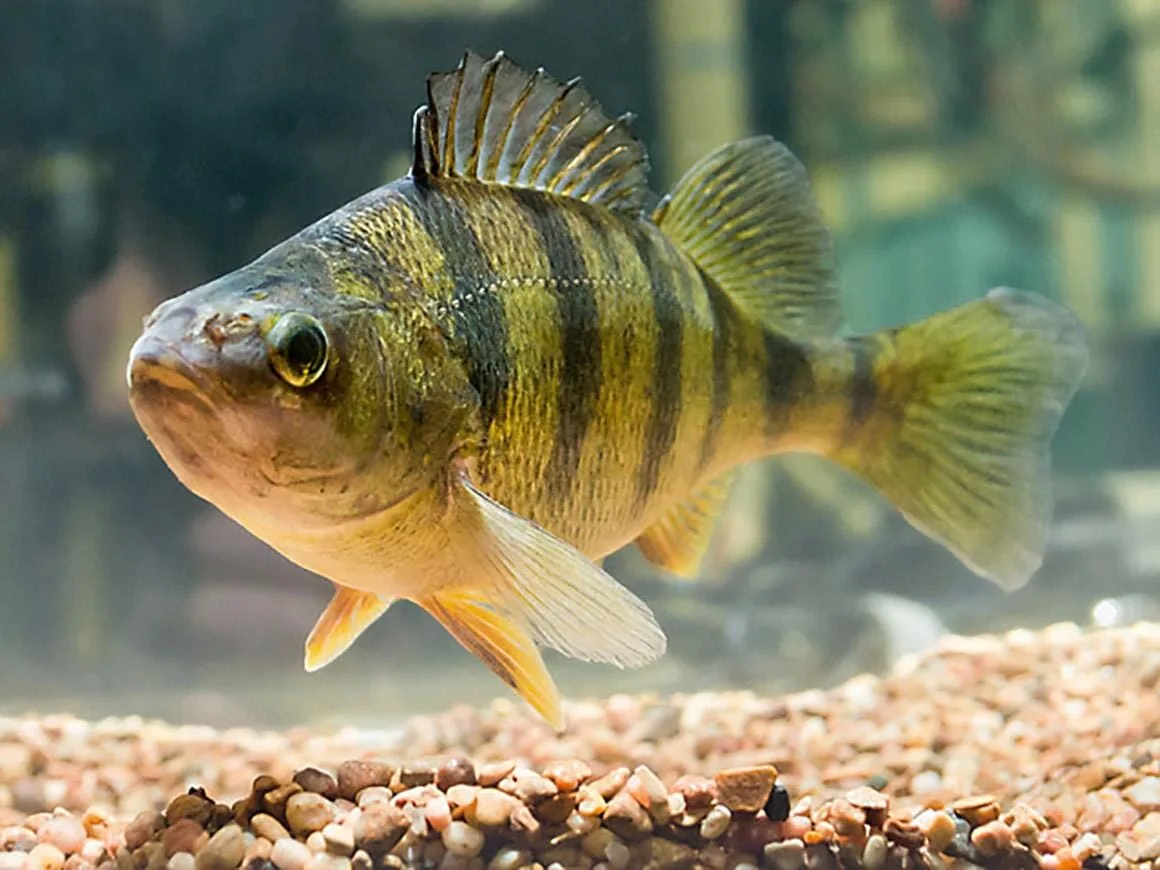
A recent study from the US found that yellow perch can remove microplastics from their digestive systems, but expelling the materials has consequences on their microbiomes and finishing quality.
In the latest investment round, Netherlands-based Seaweed Company is taking a huge step in further scaling its operations and positive environmental impacts, while gaining board buy-in from the…
A blind taste test conducted by the University of Copenhagen shows that Danes prefer the taste of both conventionally and organically farmed smoked salmon over wild-caught – as long as they don’t…
Fish farming by-products have the potential to increase the sustainability of aquaculture, and contribute to other sectors – such as food, diet supplements, animal feed and cosmetics, according to a…
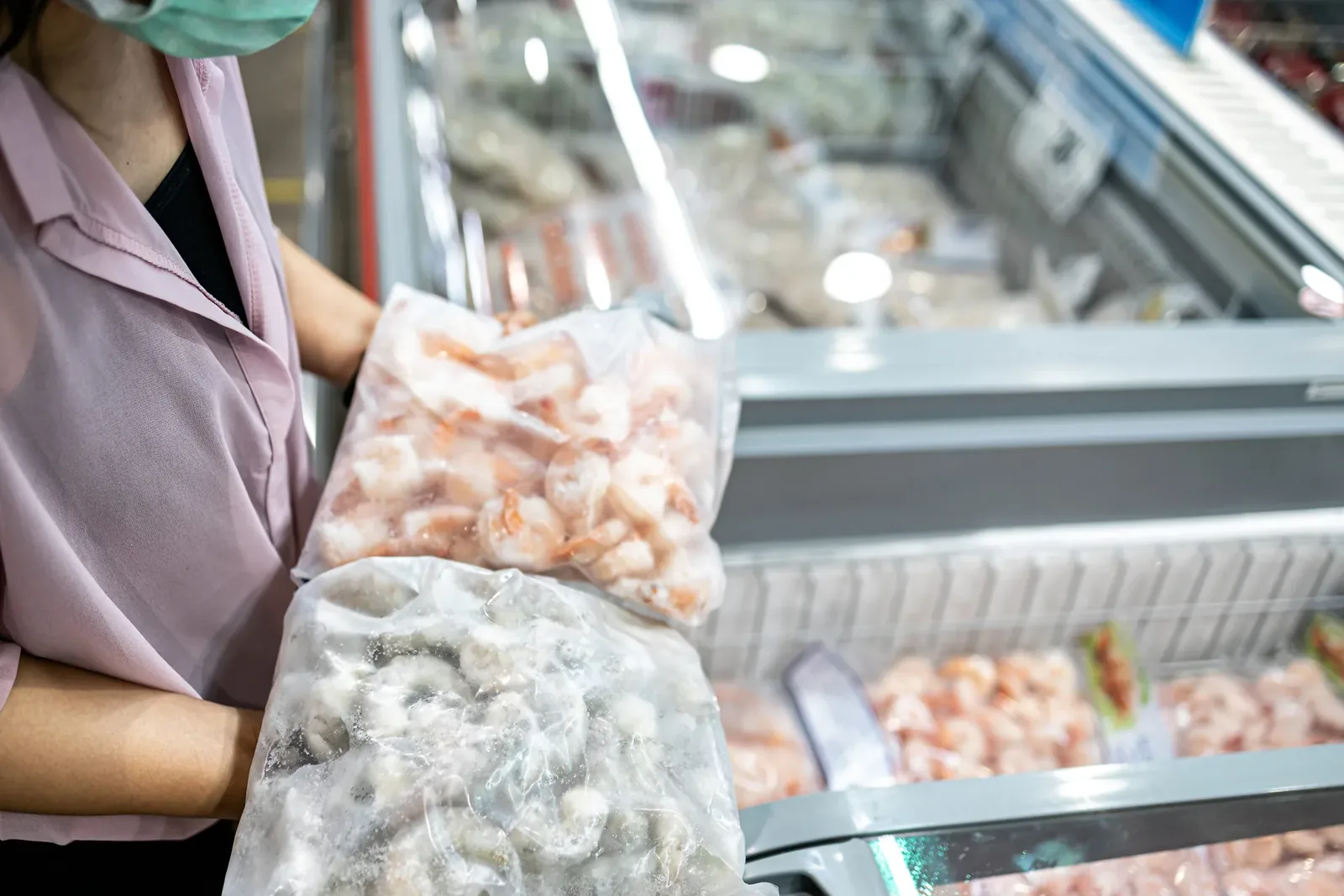
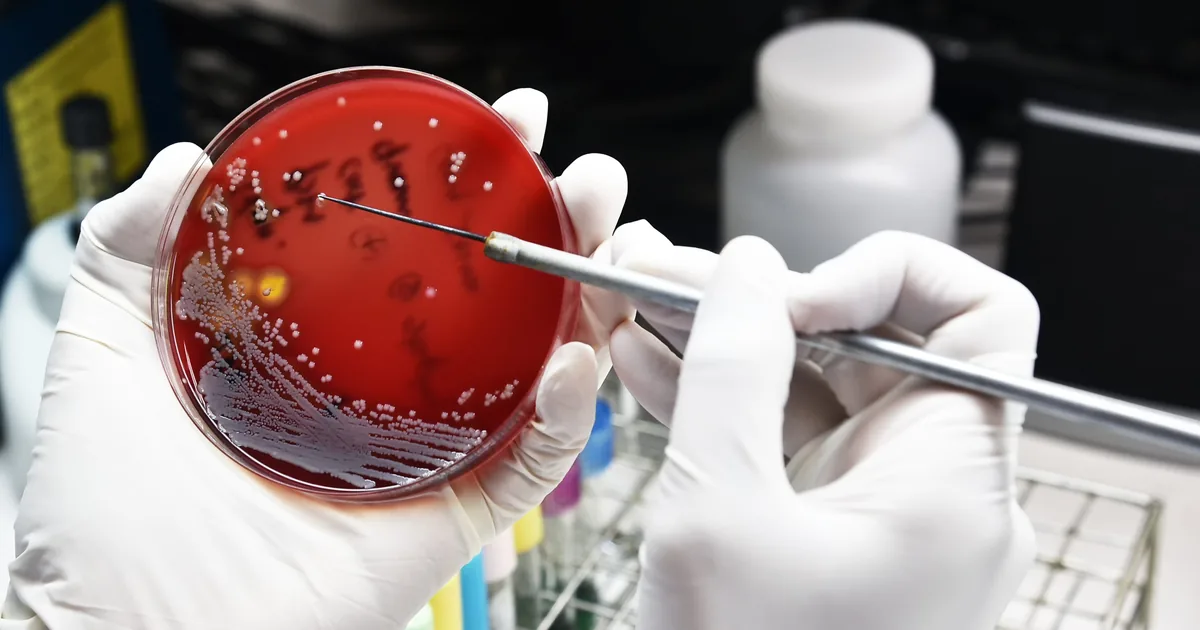
A case study from Louisiana suggests that most shrimp products that are imported into the US contain antibiotic residues and sulphites, violating the country’s labelling and regulatory standards.
DNA analysis of seafood products showed widespread mislabelling and, in some cases, the mislabelled products are species that are not authorised for sale within Canada.
The Global Aquaculture Alliance is proud to announce that its industry-leading third-party aquaculture certification program, Best Aquaculture Practices (BAP), has a new look.
An increasing number of salmon producers are diversifying into whitefish production and processing, notes Gorjan Nikolik, Seafood Analyst at Rabobank.
Here he explains the appeal of the sector and…
We use cookies to improve your experience, analyse site traffic and understand where our audience comes from. Accept all cookies, or continue with only those essential to running the site. See our Privacy & cookie policy.