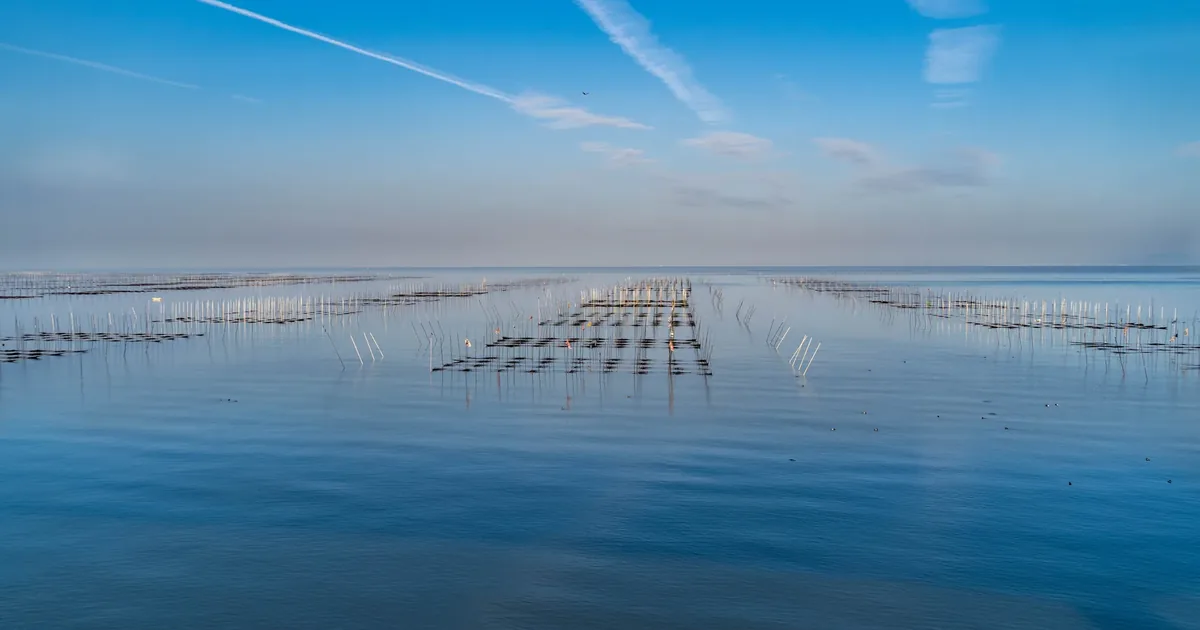
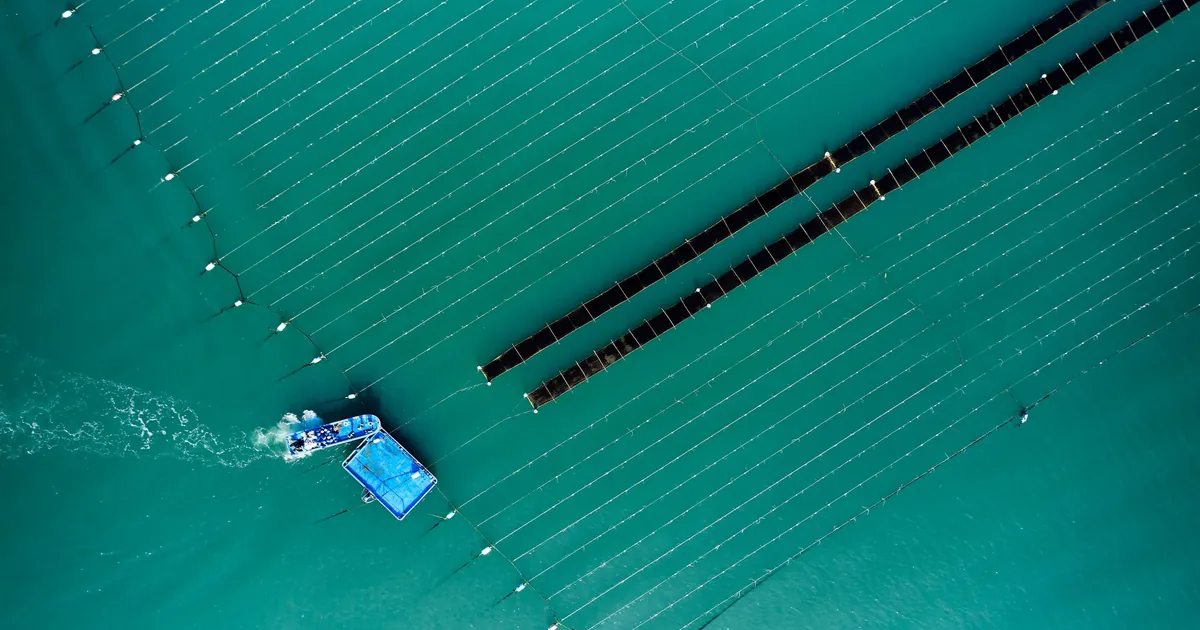
Brandon Hargraves and Alaeddine Aichouch reflect on the constraints facing temperate seaweed-producing regions and argue that scalable tropical red seaweed will be central to meeting the sector’s…
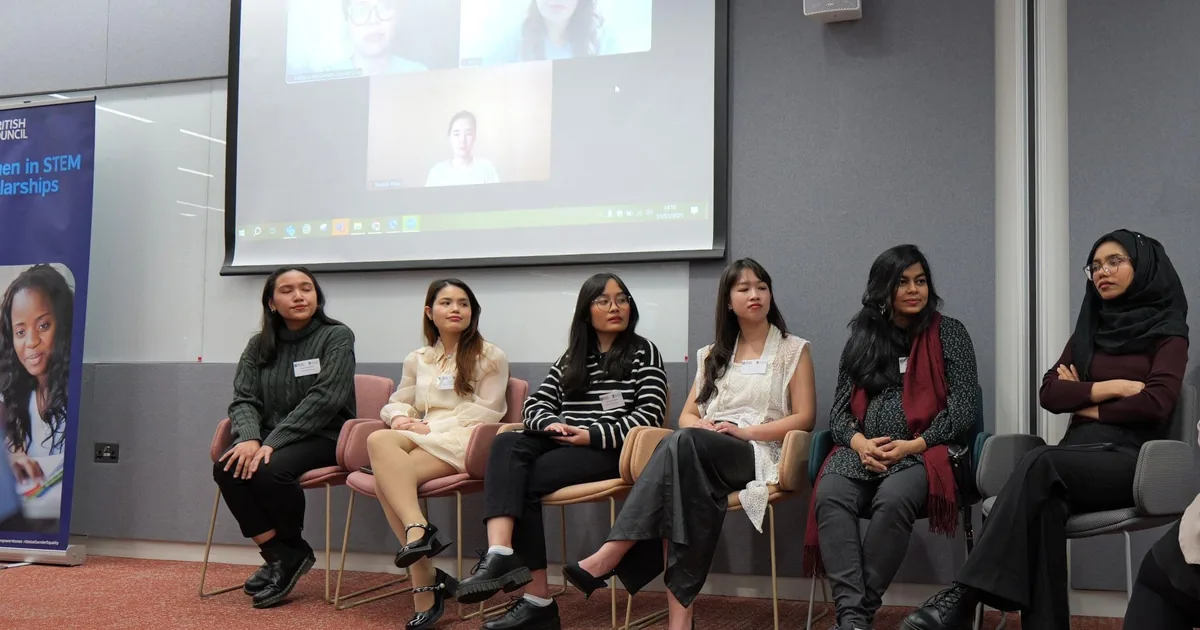
In the evolving world of aquaculture, gender equality is increasingly recognised as a key driver of innovation, inclusivity, and sustainability. Yet, women remain underrepresented across the sector,…
Fish Welfare Initiative is offering $100,000 to a team who can develop and provide a publicly-available satellite-based system to monitor water quality in India’s carp ponds.
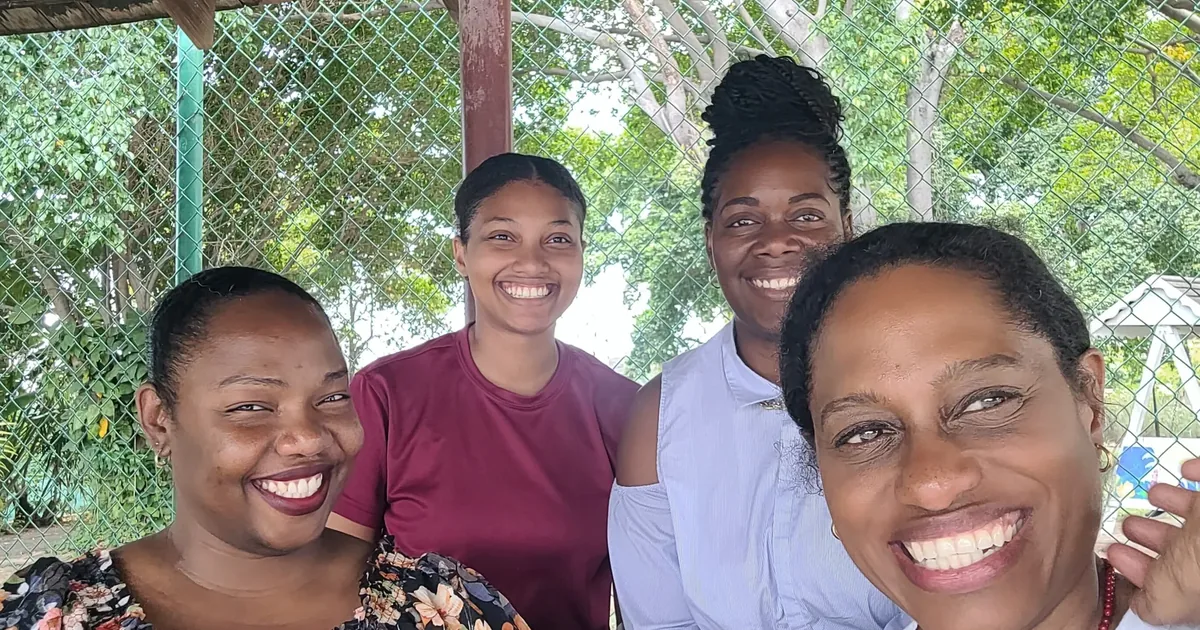
The Caribbean's aquaculture sector is experiencing a transformative shift, marked by the increasing involvement of women across various roles. This evolution reflects broader societal changes and…
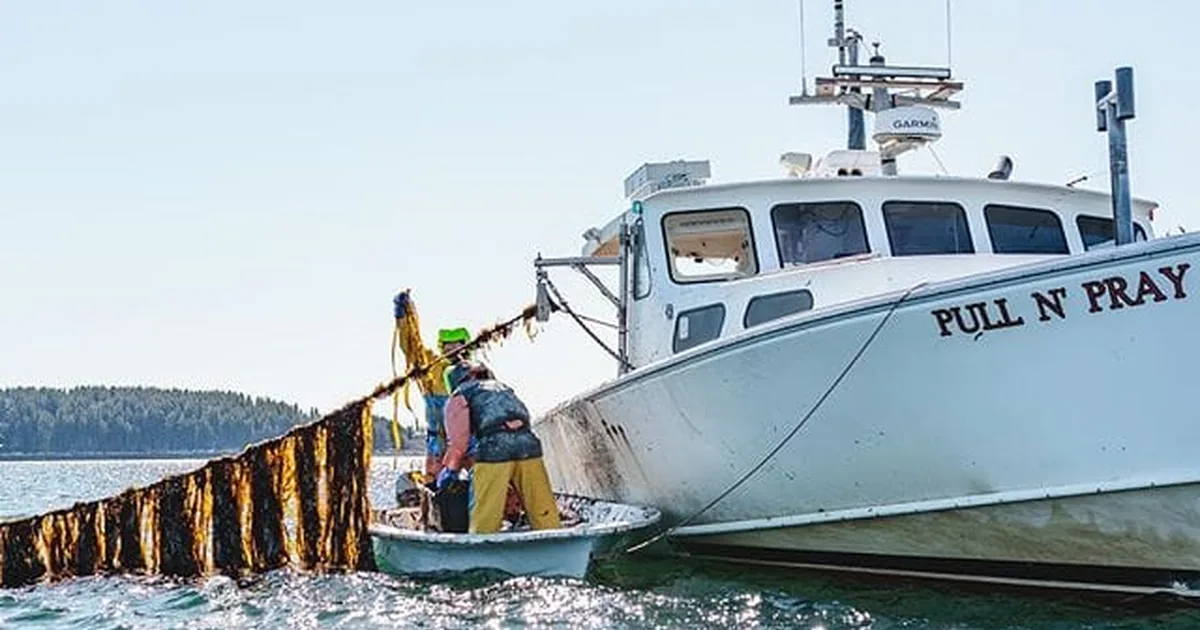
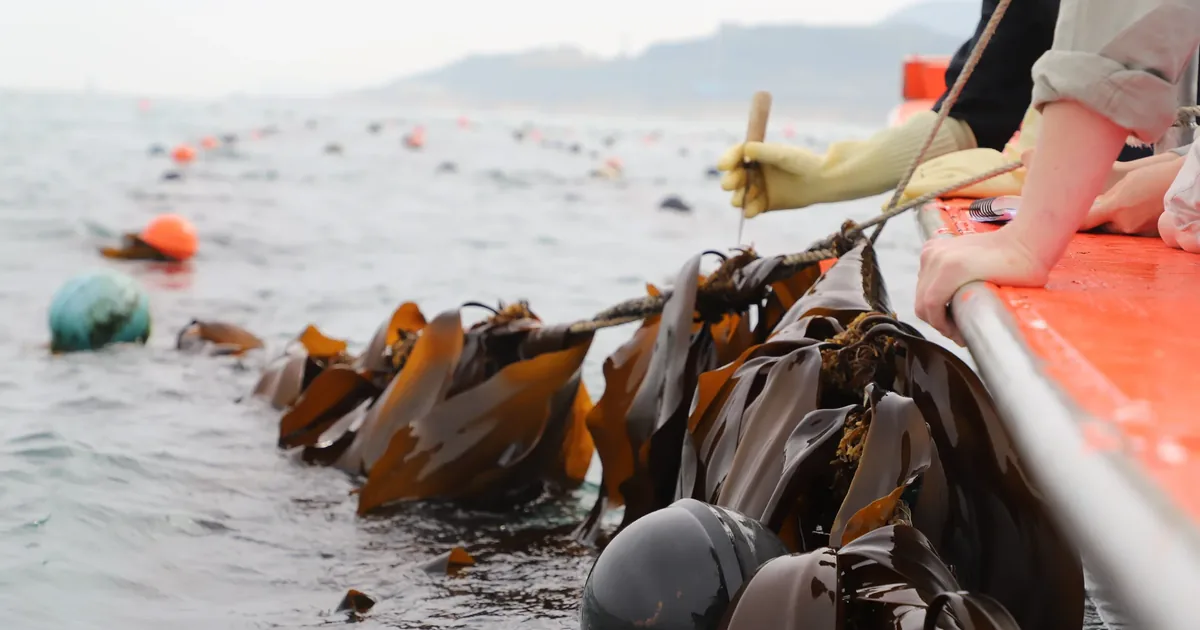
Kelp is one of the fastest growing organisms on the planet; some species can grow up to two feet per day. The business of farming it in North America has the potential to grow at an equivalently…
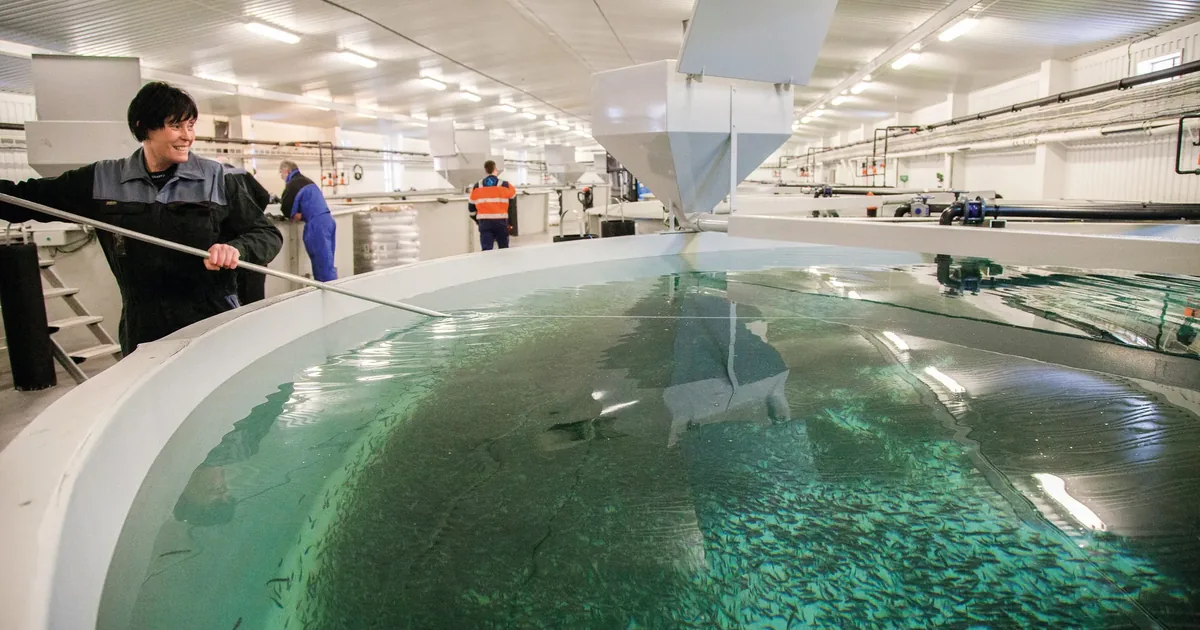
Jonah van Beijnen explores the RAS-mania that grips the global aquaculture industry, along with the reasons behind the variable performance of these systems.
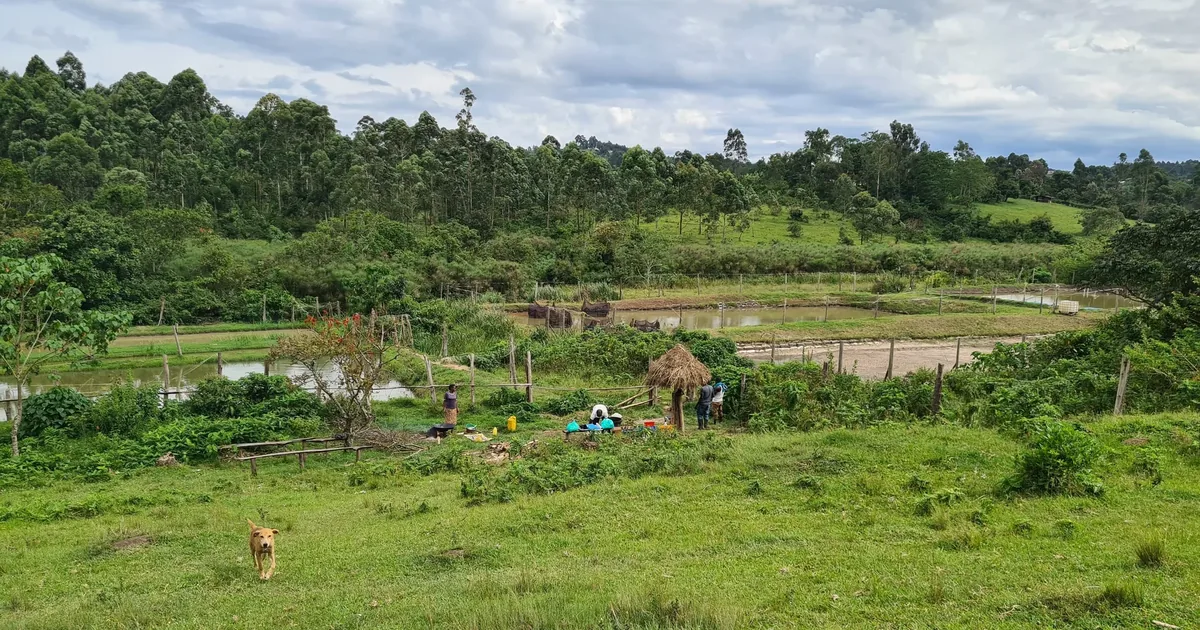
Africa’s largest, vertically integrated tilapia farmers deserve to attract more investment, but financiers should look at other options on the continent too, argues Anton Immink, CEO of ThinkAqua.
Following a scathing appraisal of the industry, renowned ecologist, author, and research professor Carl Safina explains his views on contemporary aquaculture, and outlines changes he believes…
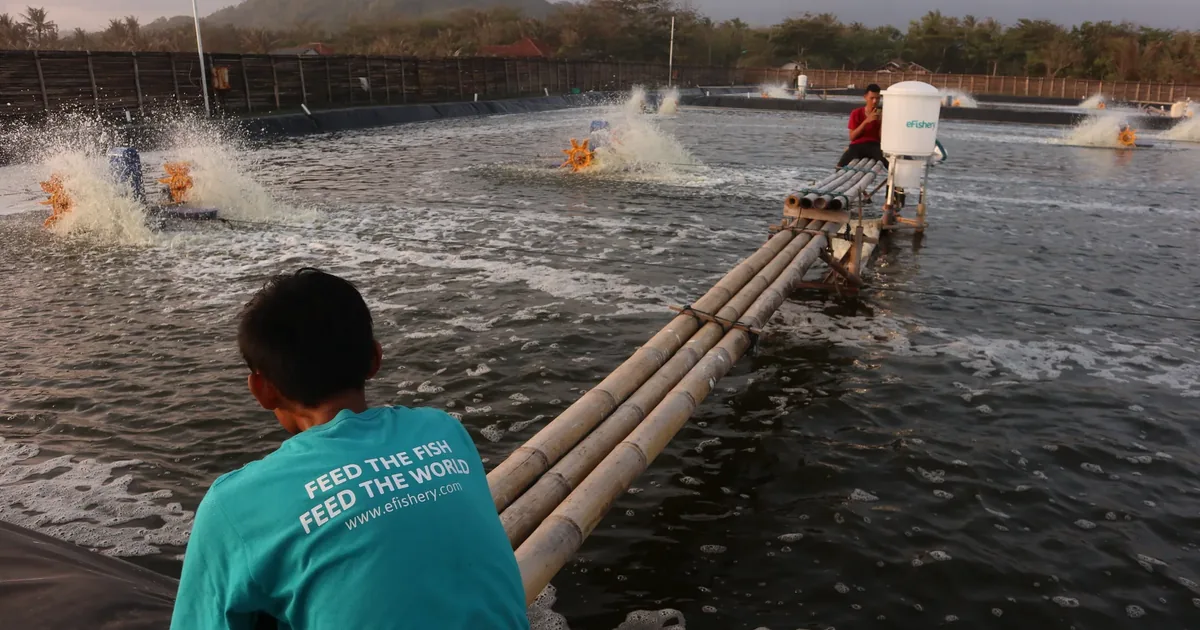
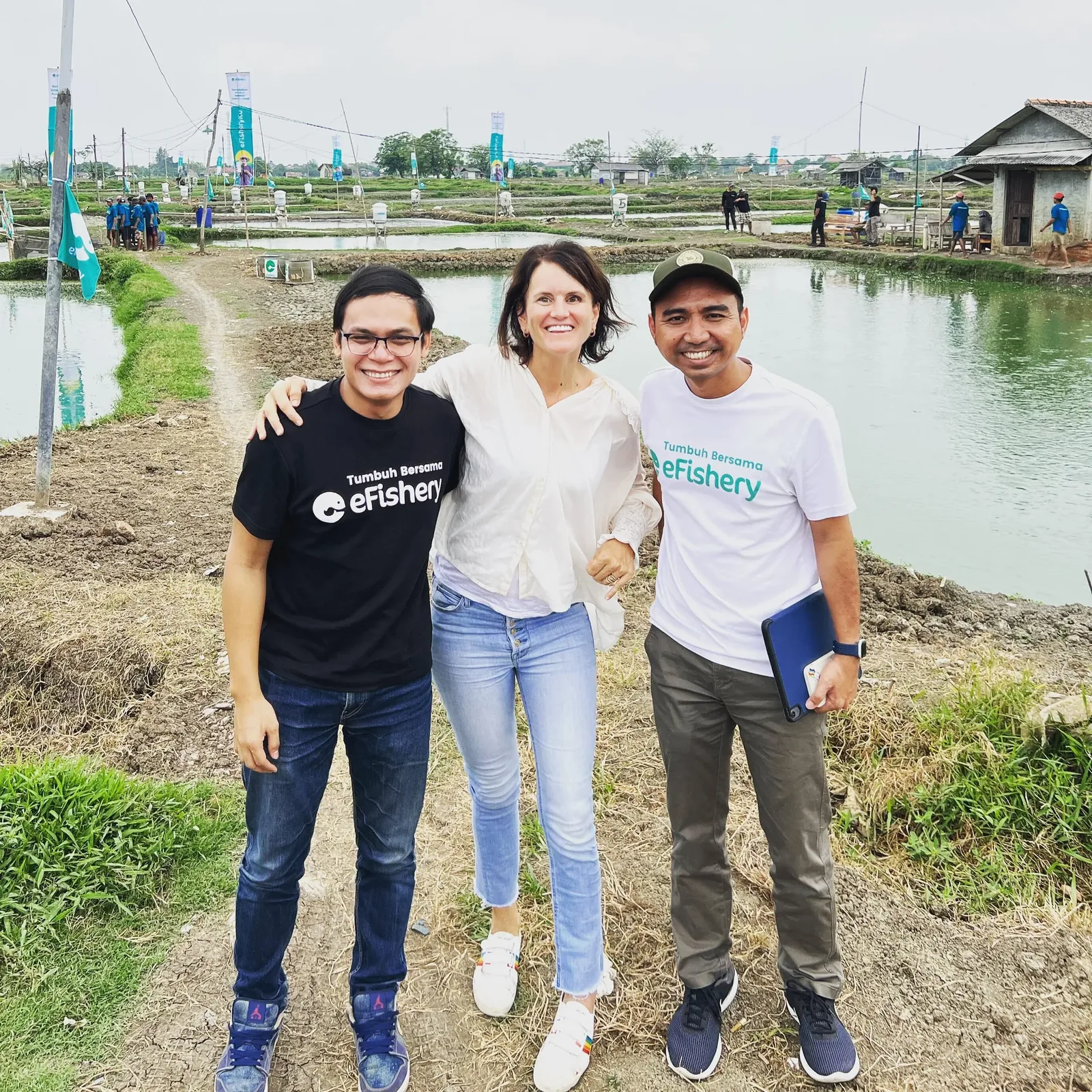
For the past decade eFishery has been one of the rising stars in the aquaculture industry and a poster boy for how to use tech to sustainably transform aquaculture in developing countries. This was,…
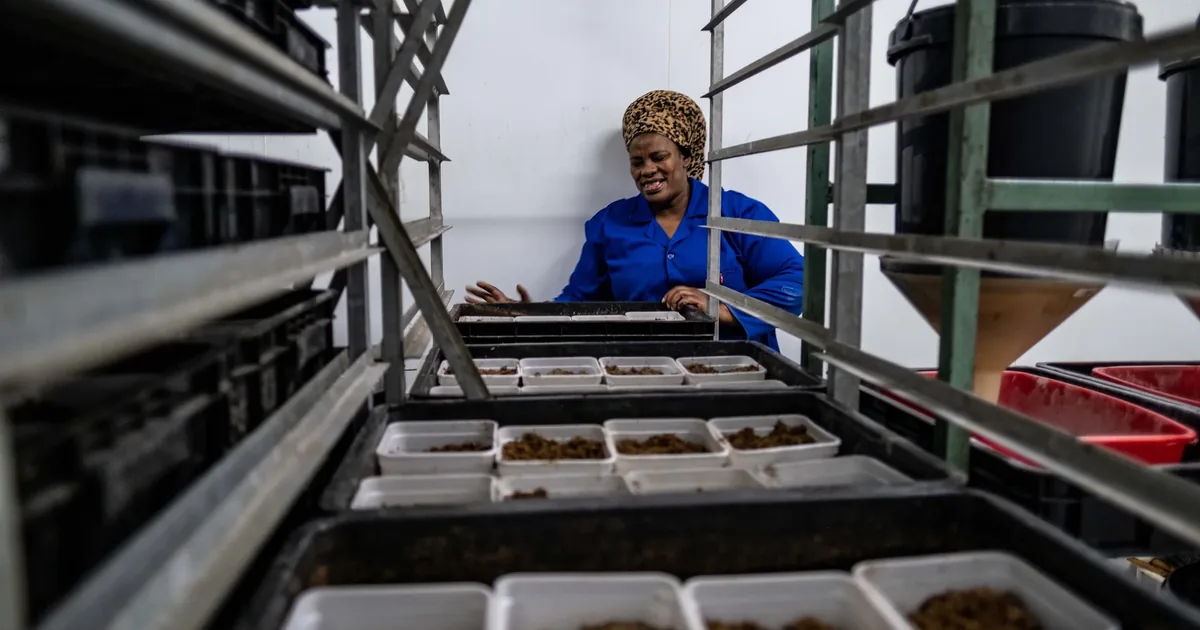
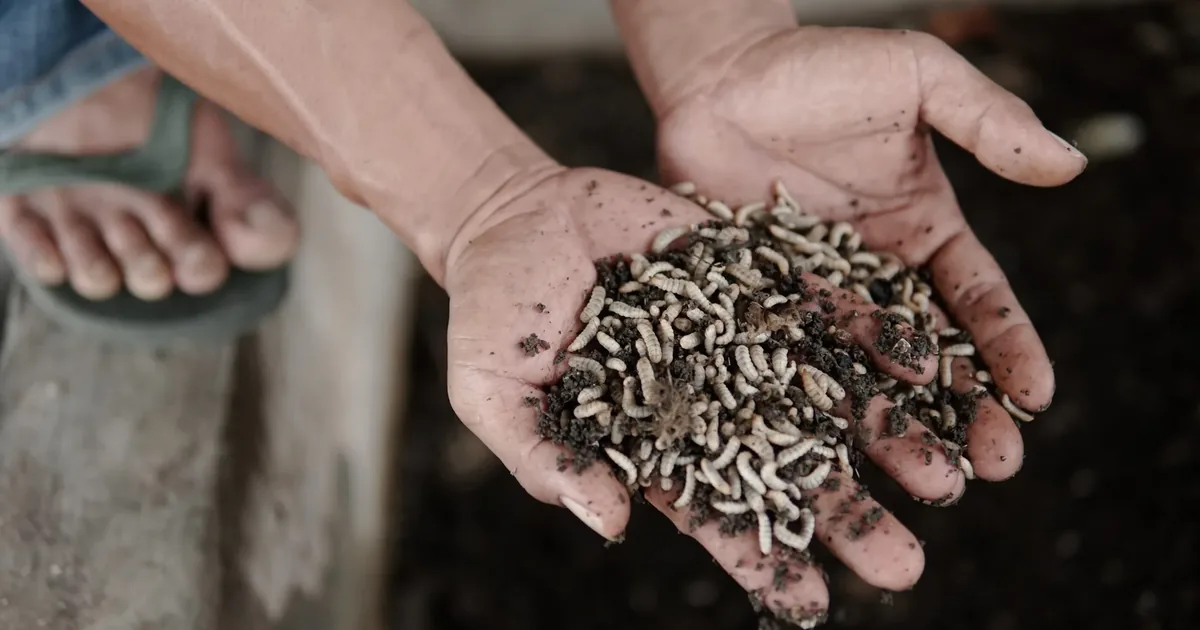
Dean Smorenburg, chief executive of a black soldier fly producing company, outlines his thoughts on the potential of the insect farming industry to revolutionise the animal and aquafeed industry.
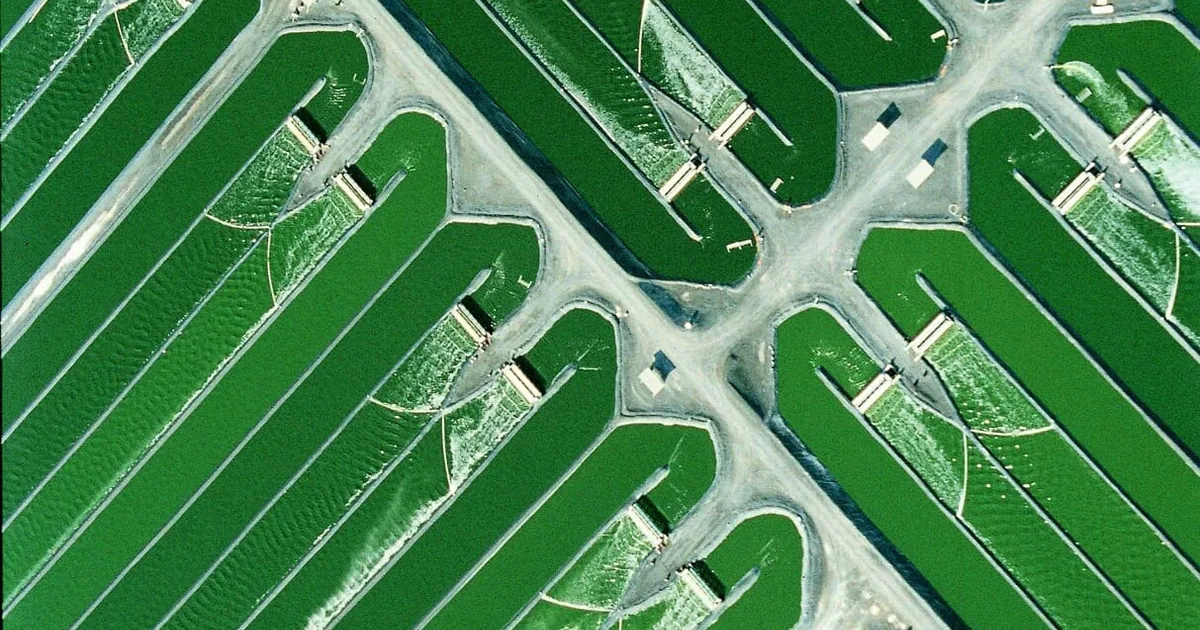
Although both macro- and micro-algae have an impressive range of health and wellness benefits, producers and processors can’t just sit back and assume buy-in from consumers, as a new report…
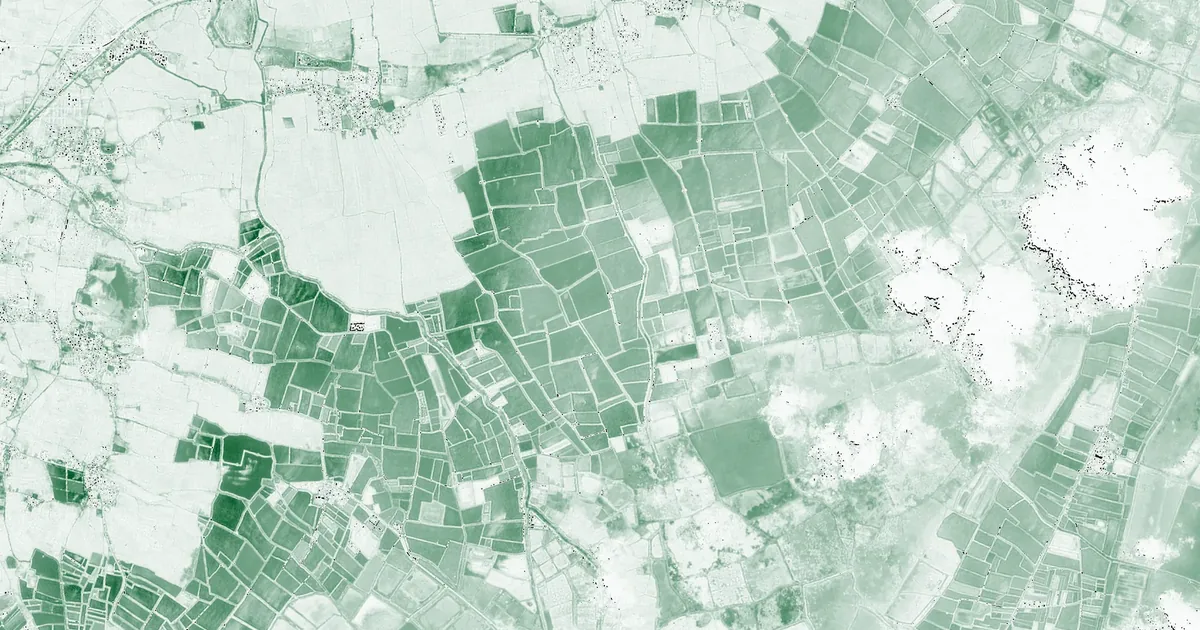
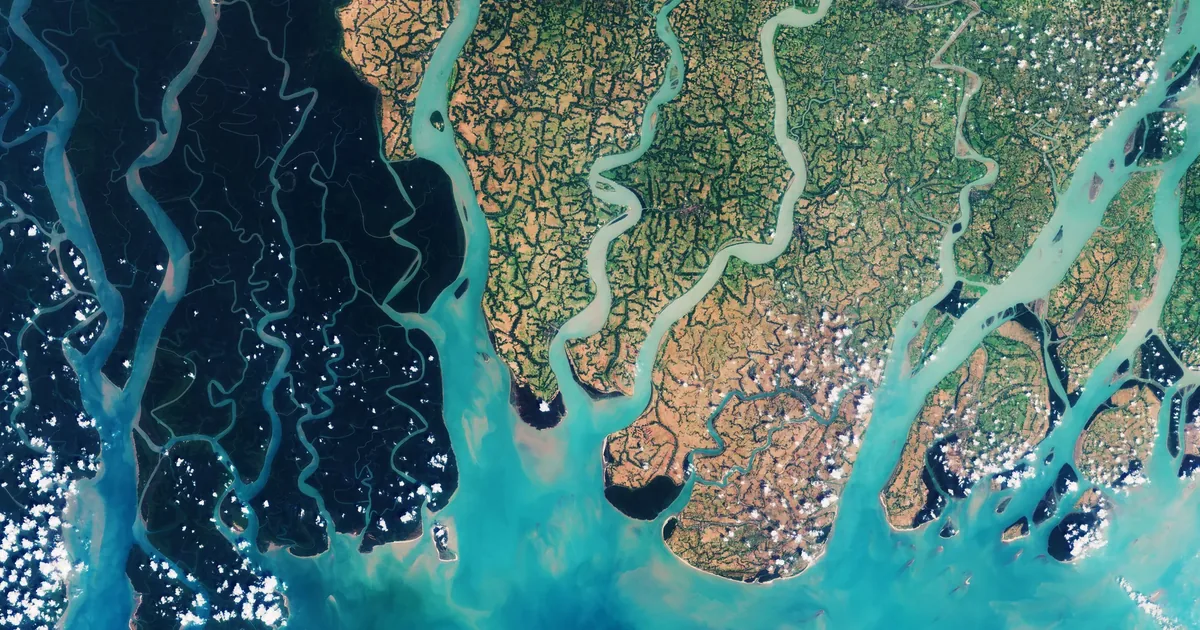
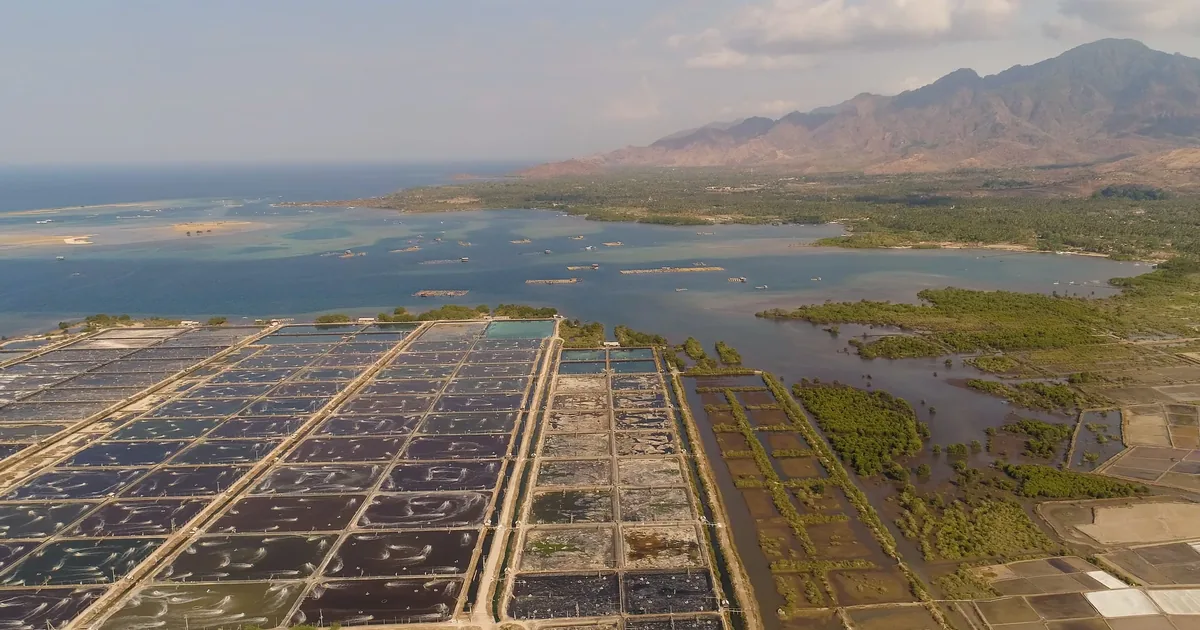
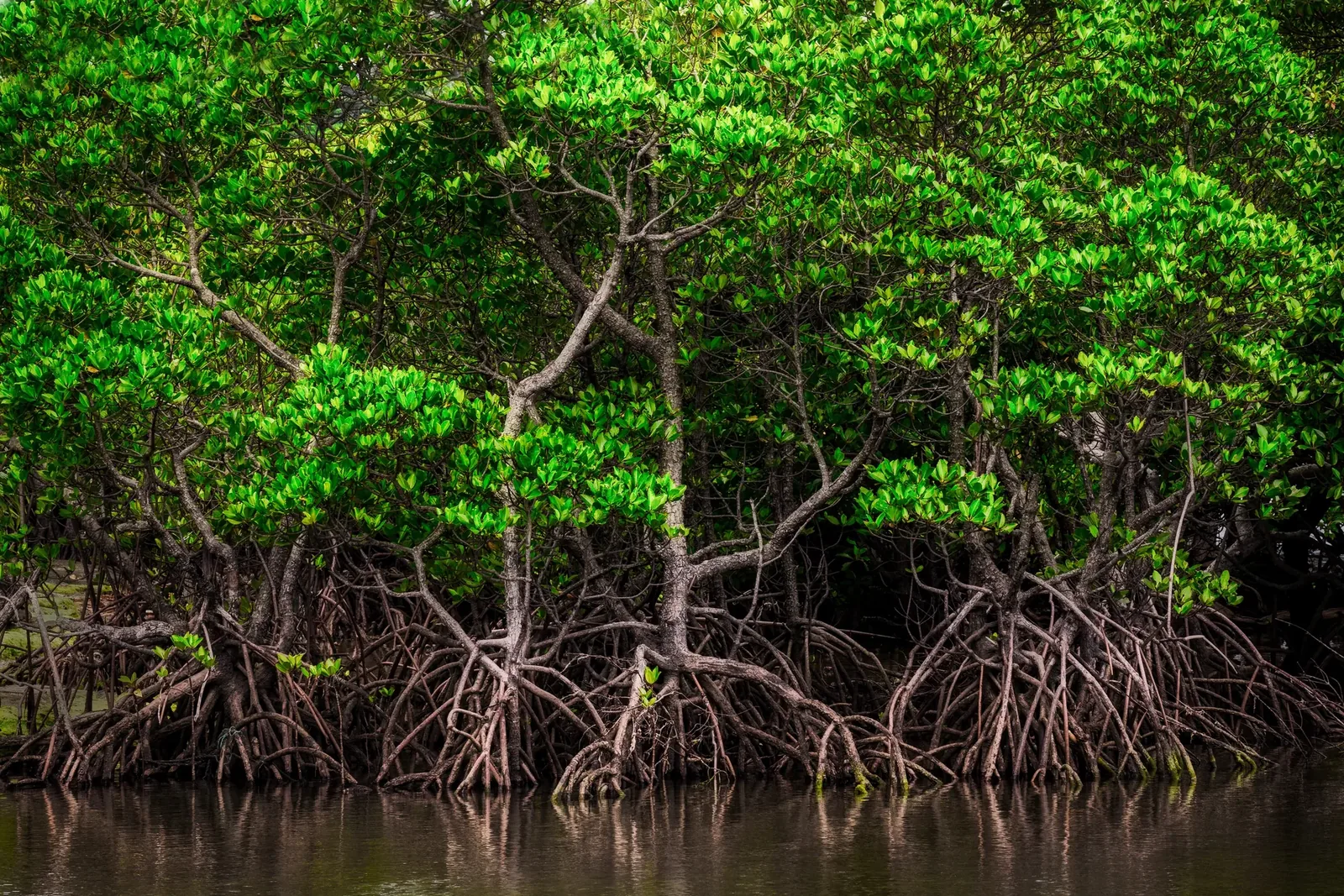
Recent reports have accused India’s shrimp farming sector of widespread mangrove destruction on the country’s east coast, but satellite imagery analysis by Indian startup GalaxEye Space proves these…
Japan is leading the way when it comes to recognising the role aquatic species play in sequestering blue carbon, but - as things stand - farmed seaweed has yet to gain official support in this field.
It was disappointing to see the media storm that followed the publication of plans by Biome Algae to establish a 270-acre seaweed farm off Gerrans Bay, in southwest England.
While the slow intensification of shrimp farming appears to be working in Latin America, Ecuadorian producers should be wary of the Asian example, where even heavy investments in new technologies…
With the aquaculture sector outperforming land-based protein producers on ESG risks – as reported in the recent Coller FAIRR Protein Producer Index – fishmeal and fish oil use in aquafeeds continue…
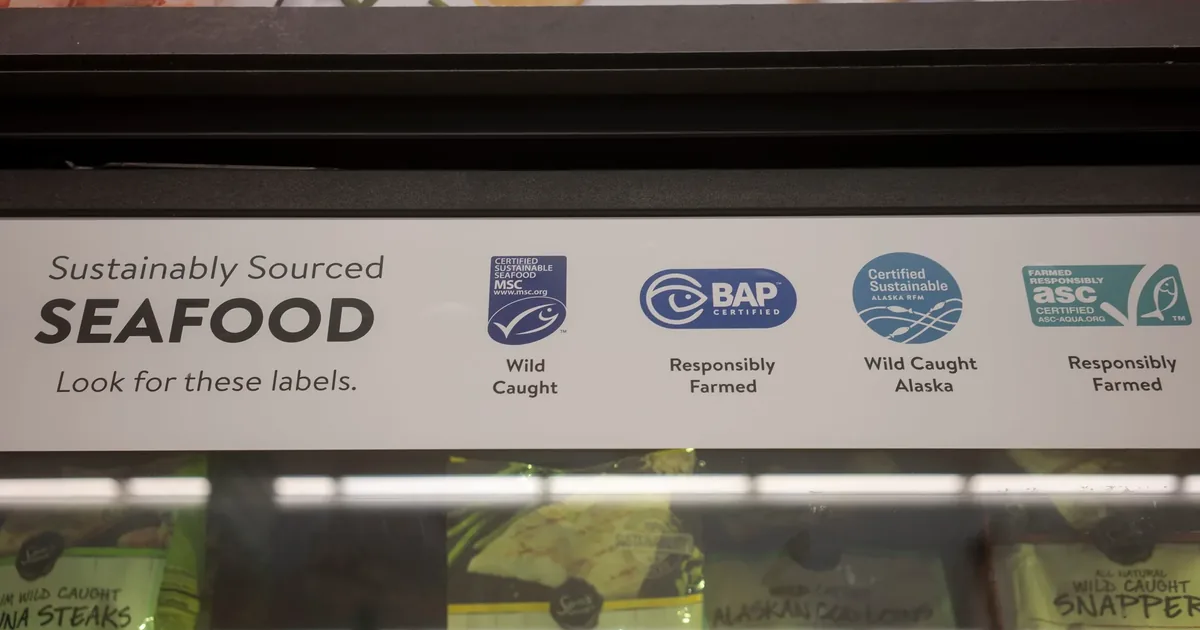
A rash of lawsuits against retailers who make contentious claims about the sustainability of their products, including farmed seafood, suggests that both the retailers themselves, and the third party…
The introduction of the Science-based Equitable Aquaculture Food (SEAfood) Act, is an unmissable opportunity for the US to step up offshore aquaculture production and ensure the country takes a more…
As the co-founder of a South African startup, spending three months in Olaisen Blue’s in-residence programme in Norway helped me appreciate how collaboration, community and a shared vision can…
An impact is an impact, independent of the country where it is felt. If we are going to import products, we should be just as happy to have them produced in our backyards. And we can be: if we…
Species such as barramundi, which are impressively adaptable, are strong candidates for farming if we want to fulfil the growing global seafood demands in the face of climate challenges.
The use of insect-based aquafeed ingredients – and potentially diversification into insect farming itself – could offer valuable opportunities for India’s small-scale aquaculture producers.
eFishery is the first aquaculture startup to reach a valuation of over $1 billion. This should open the floodgates for meaningful investment in the industry, according to Amy Novogratz – co-founder…
Standardisation of data, collaboration and assurances are essential to ensure that seafood, including the marine ingredients that are used in aquafeeds, are more transparent, traceable and…
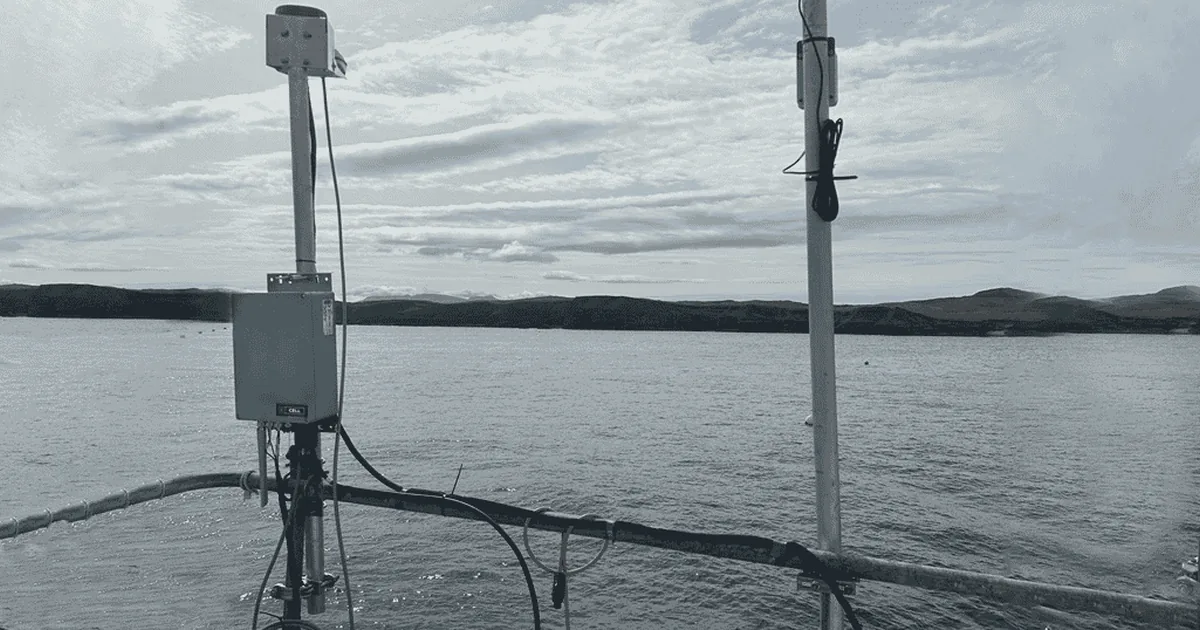
World Ocean Day is being celebrated today, and I’m passionate about the role space technology can play in protecting 30 percent of our lands, waters and ocean by 2030 (30x30) - a step deemed…
Co-created by the Global Sustainable Seafood Initiative and industry changemakers, the Seafood MAP is a global knowledge-sharing digital platform designed to accelerate responsible aquaculture…
Indonesia needs a sustainable source of funding to conserve and restore its blue carbon ecosystems and combat climate change – and carbon credits may be the solution that helps them flourish.
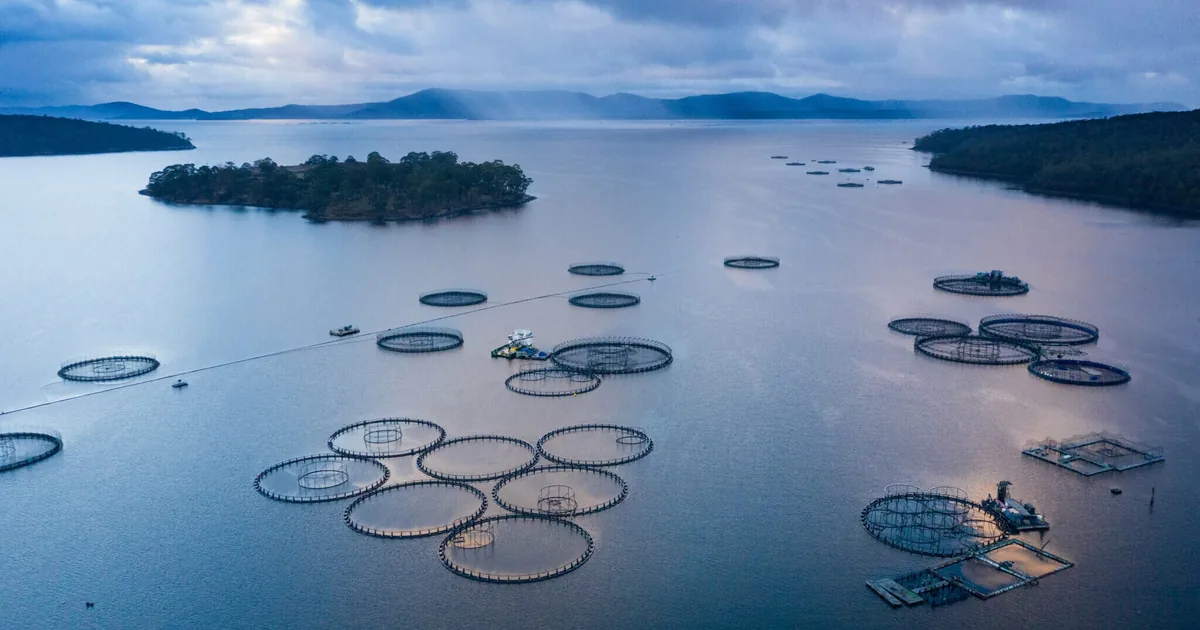
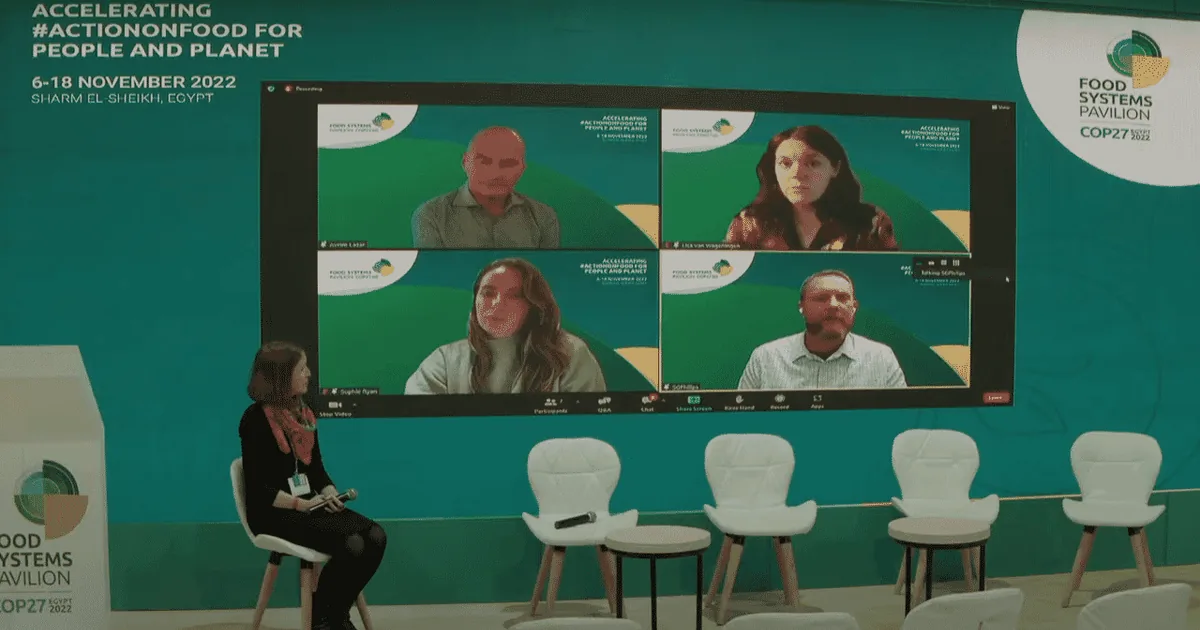
The recent COP27 meeting reinforced that the salmon sector must be more responsible if it is to become a flagship for sustainable blue food production.
Following our panel session in the first…
The links between food system sustainability, nutrition and public health concerns cannot be ignored at a time when governments, industries and the civil society are gathering in Egypt for COP27.
According to Essam Yassin Mohammed and Michelle Tigchelaar from WorldFish, the COP27 climate talks in Egypt must be ambitious and commit to a roadmap that unlocks the potential of blue industries and…
At the end of the 1840s California’s gold fields were busy. But with only so much gold in the ground, the story goes, most miners returned empty-handed. The real winners were those selling the…
My objective in this article is to challenge pathologists, immunologists and farmers by asking for a critical analysis on the application of a simple temperature manipulation, hyperthermia, to boost…
Petter M Johannessen, director general of the IFFO, believes that marine ingredients play a crucial role in developing aquafeeds with a low carbon footprint.
We use cookies to improve your experience, analyse site traffic and understand where our audience comes from. Accept all cookies, or continue with only those essential to running the site. See our Privacy & cookie policy.